
Shrubs
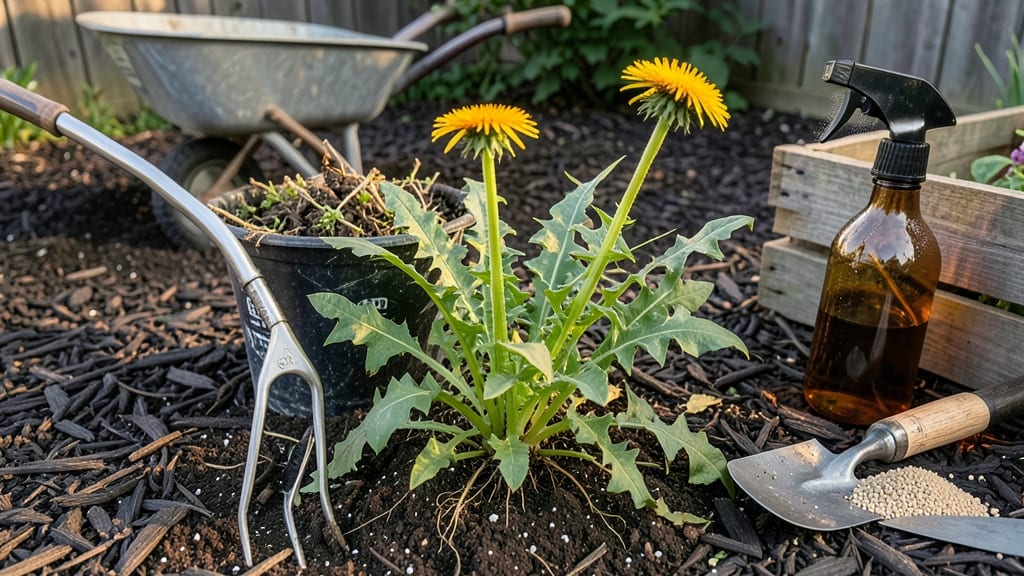
The best way to remove weeds starts with the right tools and timing—no more bending over for hours with sore knees. 🌱 I’ve spent years perfecting a system that keeps my garden weed-free while protecting the soil and my back.
The secret? A mix of manual techniques, smart tools, and a little prevention that saves time in the long run.
You’ll need a few simple supplies: a sturdy hand weeder (or even a butter knife), a hula hoe for larger areas, vinegar or boiling water for stubborn weeds, and mulch to smother future growth.
The key is working when the soil is moist—after rain or watering—so weeds pull out easily without breaking. This method works for lawns, veggie beds, and flower gardens alike.
By the end, your garden will look neat, healthy, and weed-free with minimal effort. No more digging through roots or battling regrowth—just clean lines and happy plants. The best part? You’ll spend less time weeding and more time enjoying your garden.
Whether you’re dealing with a small patch or a full yard, this approach adapts to any space. Let’s get those weeds gone for good—without the backache. Here’s how to do it right the first time.
📚 In This Guide
- What you need
- Instructions
- Tips and common mistakes
- Wrapping up and next steps
What you need
- ● Garden gloves – A pair of durable, breathable gloves (e.g., heavy-duty rubber or leather) to protect your hands from thorns and dirt.
- ● Garden fork or weeding fork – A sturdy, long-handled fork (18–24 inches) to loosen soil and extract deep-rooted weeds.
- ● Hand weeder or hori-hori knife – A sharp, ergonomic tool for precision removal of small weeds.
- ● Garden trowel – A small, handheld shovel (6–8 inches) for digging around weed roots.
- ● Boiling water or vinegar solution – 1 gallon of white vinegar + 1 cup salt + 1 tbsp dish soap (for spot treatment on driveways or cracks).
- ○ Mulch (optional but helpful) – Straw, wood chips, or shredded leaves (2–3 inches thick) to suppress future weed growth.
- ● Wheelbarrow or bucket – For hauling weeds and debris away from your garden.
- ● Kneeling pad – To protect your knees during long sessions.
- ● Pruners or shears – For trimming stubborn weed tops before pulling.
- ● Corn gluten meal – A natural pre-emergent herbicide (apply in early spring to prevent weeds).
- ● Sunflower or clover seeds – For planting as a weed-blocking ground cover in bare spots.
Step-by-step guide to the best weed removal method
Here’s the most effective, back-friendly way to clear weeds for good—no chemicals, no heavy tools.
🌱 Step 1: Choose the Right Time for Maximum Efficiency
Weeds pull easiest when the soil is soft and moist—right after a good rain or right before watering your garden. I always check the weather forecast and plan my weed-pulling sessions for mornings when the ground is damp but not muddy. You’ll see how much easier it is when the soil crumbles between your fingers instead of clinging like concrete.
If the ground is bone-dry, water the area lightly the night before. This ensures the roots loosen without turning the soil into a sticky mess. Avoid pulling weeds when the soil is frozen or waterlogged—you’ll end up tearing plants instead of removing them cleanly.
✂️ Step 2: Use the Right Tools to Save Your Back
Skip the heavy-duty shovel and reach for a sturdy weed puller (like a hori-hori knife or a long-handled weeding fork) or even a simple garden trowel. These tools let you dig deep without straining. I like to use a gloved hand for smaller weeds—just pinch the base and wiggle until the whole root comes out. For stubborn weeds like dandelions, a dandelion digger with a forked end makes short work of deep taproots.
Don’t forget a bucket or wheelbarrow to collect weeds as you go. This keeps your workspace tidy and prevents re-seeding. I always place the weeds in a sealed bag or container before tossing them—this stops any remaining seeds from spreading.
💧 Step 3: Pull Weeds at the Base for Good
Grab the weed as close to the ground as possible—this ensures you get the entire root system. For broadleaf weeds like chickweed, a sharp tug usually does the trick. For grasses or deep-rooted weeds, use your tool to loosen the soil around the base before pulling. You’ll know you’ve done it right when the weed comes out cleanly with no resistance.
If a weed breaks off, don’t panic—just check the remaining root. If it’s still firmly attached, pull it out immediately. If it’s tiny, leave it; it won’t regrow. This step is where most people fail—skipping the root means the weed will grow back stronger.
☀️ Step 4: Prevent Regrowth with Mulch or Vinegar
After clearing weeds, cover the soil with 2-3 inches of mulch (straw, wood chips, or even newspaper topped with compost) to block sunlight and stop new weeds from sprouting. I swear by cardboard + mulch for pathways—it’s free, effective, and breaks down over time. For stubborn spots, a vinegar spray (1 gallon white vinegar + 1 cup salt + 1 tbsp dish soap) kills weeds on contact without harming your plants.
Reapply mulch every few months as it decomposes. This method works best in garden beds, but for driveways or sidewalks, a boiling water treatment (pour carefully!) can zap weeds instantly. Just be mindful of nearby plants—vinegar and boiling water aren’t selective.
🪴 Step 5: Maintain a Weed-Free Zone Long-Term
Consistency is key—set a schedule to check for new weeds weekly during growing season. I mark my calendar for the first Saturday of every month as "Weed Patrol Day." Pull weeds before they seed, and you’ll cut down on future work by 90%. For high-traffic areas, consider landscape fabric under mulch to create a permanent barrier.
Healthy plants also crowd out weeds, so focus on keeping your garden lush. A thick layer of compost improves soil health, making it harder for weeds to take root. This is the secret to low-maintenance gardening—prevent weeds before they start!
Tips & tricks for perfect weed removal
Here's what nobody tells you about making weed removal feel like a breeze instead of a chore.
Timing is Everything: The secret to effortless pulling lies in soil moisture—aim for damp but not soggy conditions. I’ve learned the hard way that pulling weeds after a light rain or right before watering makes them slide out like butter. If your soil is dry, water the area the night before; if it’s too wet, wait until it dries slightly. This small adjustment saves your back from straining against stubborn roots.
Tool Selection Saves Your Back: Skip the heavy shovel and invest in a hori-hori knife or long-handled weeding fork for deep-rooted weeds. For smaller weeds, my go-to is a simple garden trowel—it gives me the leverage I need without the bulk. Pro tip: Wear gardening gloves to protect your hands from prickly stems and sharp rocks. You’ll thank yourself later when your hands aren’t covered in scratches.
Root Removal is Non-Negotiable: The golden rule of weed removal is getting the entire root. For broadleaf weeds, a firm tug usually does the trick, but for deep-rooted weeds like dandelions, use a forked tool to loosen the soil before pulling. I’ve seen too many people leave tiny root fragments behind, only to watch the weed grow back stronger. If a weed breaks off, check the remaining root—if it’s still attached, pull it out immediately.
Prevent Regrowth with Mulch: After clearing weeds, cover the soil with 2-3 inches of mulch to block sunlight and stop new weeds from sprouting. I’ve found that cardboard layered under mulch creates a barrier that lasts for months. For stubborn weeds, a vinegar spray (1 gallon white vinegar + 1 cup salt + 1 tbsp dish soap) works like magic—just be careful not to spray near plants you want to keep alive.
Pro Tips for Best Way To Remove Weeds
- Here's what nobody tells you about making weed removal feel like a breeze instead of a chore.
- Timing is Everything: The secret to effortless pulling lies in soil moisture—aim for damp but not soggy conditions.
- Tool Selection Saves Your Back: Skip the heavy shovel and invest in a hori-hori knife or long-handled weeding fork for deep-rooted weeds.
Frequently asked questions
Got questions about tackling weeds without the hassle? You’re not alone! Here are some of the most common concerns—and straightforward answers—to help you reclaim your garden with ease.
What’s the best time of day to pull weeds?
The ideal time is early morning or late afternoon when the soil is moist (but not muddy) and weeds are soft and easier to remove. Avoid midday heat—it dries out the roots, making them harder to pull. Pro tip: Water the area lightly the night before for extra success!
Will vinegar or salt kill my plants too?
Yes! Both vinegar (especially undiluted) and salt can damage or kill surrounding plants, grass, and even beneficial soil microbes. For targeted weed control, use a spray bottle with a narrow nozzle or apply vinegar/salt directly to the weed’s leaves only. Always spot-test first!
How often should I remove weeds?
Consistency is key—aim to pull weeds weekly during peak growing seasons (spring and summer). Young weeds are easier to remove, so don’t wait until they’re towering over your plants. Mulching (with straw or wood chips) can reduce future weed growth by 70-80%!
What if weeds keep coming back after I remove them?
Persistent weeds often mean roots or seeds remain in the soil. Dig deeper (2-3 inches) to ensure you’ve got the whole root, or use a hoe to cut them below the soil line. For stubborn patches, try a corn gluten meal pre-emergent in early spring to block new seeds from sprouting.
Are there any natural weed killers that work faster?
While nothing beats manual removal for long-term results, boiling water or a homemade solution of dish soap + vinegar (1:1 ratio) can kill weeds in 24-48 hours. For tough weeds like dandelions, repeat treatments may be needed. Always wear gloves—vinegar can irritate skin!
Wrapping up and next steps
Removing weeds doesn’t have to be a battle—with the right tools, techniques, and a little elbow grease, you can reclaim your garden with ease! Whether you opt for manual pulling, natural herbicides, or smart mulching, consistency is key.
Start small, protect your plants, and soon your yard will be weed-free and thriving.
Ready to take action? Grab your gloves, pick your method, and get out there—your garden (and your back) will thank you! 🌱✨