
Propagation
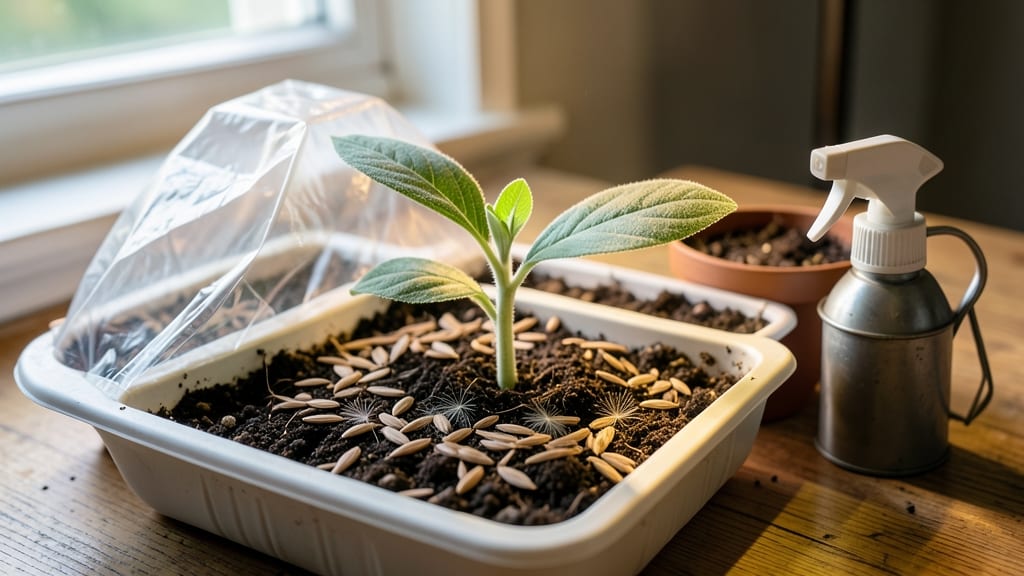
Starting milkweed from seed means giving monarch butterflies a lifeline—and it’s simpler than you’d think. 🌱 I’ve grown milkweed for years, and the key is patience (germination takes time) and the right conditions (light, warmth, and a little coaxing).
What you’ll end up with is a thriving plant that attracts more monarchs than store-bought seedlings ever could.
The secret isn’t fancy equipment—just a warm spot, a shallow tray, and a fine soil mix. Most seeds need stratification (a cold period), but some varieties sprout faster with a quick soak.
Plant them just under the surface, keep the soil damp, and watch for tiny shoots in 2-4 weeks (sometimes longer). The payoff? A plant that grows 3-5 feet tall and blooms with orange flowers by summer.
Here’s where it gets exciting: those flowers feed migrating monarchs, and the leaves feed caterpillars. My first batch produced 12 caterpillars last summer—something I’d never seen before. The trick is keeping the soil moist (not soggy) and protecting seedlings from slugs until they’re sturdy enough to fend for themselves.
Works for any milkweed variety (common, butterfly weed, or swamp milkweed) and thrives in full sun. Just don’t rush—slow starts lead to strong, pollinator-packed plants. Ready to grow a monarch magnet?
📚 In This Guide
- What you need
- Instructions
- Tips and common mistakes
- Wrapping up and next steps
What you need
- ● Milkweed seeds: Purchase high-quality, Asclepias species seeds (e.g., Asclepias tuberosa for butterfly weed or Asclepias syriaca for common milkweed). Aim for 10–20 seeds per planting.
- ● Seed-starting mix: Use a sterile, well-draining potting mix (avoid garden soil—it may harbor diseases). A 50/50 blend of peat moss or coco coir and perlite/vermiculite works well.
- ● Small seed trays or pots: Choose 2–4 inch deep containers with drainage holes (e.g., cell packs, plastic trays, or biodegradable pots).
- ● Spray bottle: A fine-mist sprayer for gentle watering (avoid over-saturating seeds).
- ● Clear plastic dome or plastic wrap: To create a humid microclimate during germination.
- ● Grow lights or sunny windowsill: Milkweed seeds need bright, indirect light (12–16 hours/day) for strong seedlings.
- ● Patience! 😉 Milkweed seeds can take 10–30 days to germinate—some even require a cold stratification period (see tips below).
- ● Heat mat: Speeds up germination if your space is cool (70–80°F is ideal).
- ● Grow light timer: Automates light cycles for consistent growth.
- ● Fertilizer (low-dose): A balanced, water-soluble fertilizer (5-5-5 or 10-10-10) once seedlings sprout their first true leaves.
- ● Transplanting tools: Small hand trowel and biodegradable pots for hardening off seedlings before outdoor planting.
- ● Cold stratification setup: If your seeds need chilling, use a refrigerator (34–40°F for 2–4 weeks) or a seed stratification kit.
Step-by-Step instructions for starting milkweed from seed
Here's the straightforward method I've used to grow healthy milkweed for monarch butterflies—no complicated tricks.
🌱 Step 1: Prepare Seeds for Cold Stratification
Milkweed seeds need a cold period to break dormancy. Place them in a paper towel or moistened coffee filter inside a sealed plastic bag. I like to add a few drops of water to keep it damp but not soggy—you want it to feel like a wrung-out sponge. Seal the bag and refrigerate for 4-6 weeks.
Check weekly to ensure the towel stays moist. If it dries out, add a tiny splash of water. This cold treatment mimics winter conditions and signals the seed it's time to germinate. Real talk: Skipping this step means seeds may never sprout or take months to germinate.
🌱 Step 2: Sow Stratified Seeds in Containers
Fill 4-inch diameter pots with well-draining potting mix—I mix regular potting soil with 20% perlite to prevent waterlogging. Plant seeds ¼ inch deep, spacing them 1 inch apart in each pot. I tap the soil gently around each seed to ensure good contact without burying them too deeply.
Water lightly until the soil surface feels damp but not wet. Cover the pots with a clear plastic dome or wrap them in plastic wrap to retain moisture. Place them in a warm spot with indirect light—a sunny windowsill with filtered light works best. Germination can take 2-4 weeks, so patience is key here.
☀️ Step 3: Transplant and Acclimate Seedlings
Once seedlings have 2-3 sets of true leaves (not just the initial seed leaves), they're ready for transplanting. Choose a location with full sun—at least 6-8 hours daily. I dig small holes just slightly larger than the root ball and place each seedling carefully, filling in with soil and pressing gently to remove air pockets.
Water deeply after transplanting to help roots establish. Space plants 12-18 inches apart to allow for growth. Here's the thing—milkweed grows fast once established, so give them room to spread. Mulch around the base with 2 inches of organic mulch to retain moisture and suppress weeds.
After transplanting, keep an eye out for monarchs. You'll likely see them within a few weeks of the plants reaching 12 inches tall. The first eggs are the most exciting part!
Tips & tricks for perfect milkweed growth
Here's what nobody tells you about growing milkweed—simple secrets to ensure your monarch haven thrives.
Cold Stratification Insight: For the 4-6 week cold period in Step 1, place your sealed bag on a shelf in the fridge's crisper drawer where humidity is naturally higher. This maintains consistent moisture without weekly checks. I've found that setting a phone reminder every 7 days for a quick moisture check prevents drying out—this is non-negotiable for germination success. The key is mimicking winter's natural freeze-thaw cycle that triggers seed dormancy break.
Container Selection Strategy: When choosing your 4-inch pots in Step 2, opt for biodegradable pots made from coconut coir or peat. These can be planted directly into the ground when transplanting, eliminating root disturbance. For non-biodegradable pots, make sure they have drainage holes—waterlogging kills milkweed seeds faster than any other factor. I always pre-soak my pots before planting to ensure they're thoroughly saturated from the bottom up.
Light Management Technique: During the 2-4 week germination period in Step 2, rotate your pots every 3-4 days to prevent seedlings from leaning toward the light source. This creates more uniform growth. If you notice seedlings stretching excessively (a condition called "etiolation"), they're not getting enough light. Move them to a slightly brighter spot—but avoid direct sun until they have true leaves. The goal is balanced, sturdy growth that can handle transplant shock later.
Transplanting Timing: For Step 3, wait until your seedlings have 2-3 sets of true leaves before transplanting—this ensures they have enough energy reserves to handle the stress. I've learned this the hard way after transplanting too early and losing seedlings to transplant shock. Harden off your seedlings by placing them outdoors in a sheltered spot for 1-2 hours daily for 5-7 days before full transplant. This gradual acclimation prevents shock that could kill your young plants.
Pro Tips for Start Milkweed From Seed
- Here's what nobody tells you about growing milkweed—simple secrets to ensure your monarch haven thrives.
- Cold Stratification Insight: For the 4-6 week cold period in Step 1, place your sealed bag on a shelf in the fridge's crisper drawer where humidity is naturally higher.
- Container Selection Strategy: When choosing your 4-inch pots in Step 2, opt for biodegradable pots made from coconut coir or peat.
Frequently asked questions
Got questions?
Starting milkweed from seed can feel like a puzzle at first, but don’t worry—we’ve got answers! Here are some of the most common questions (and their solutions) to help you grow a thriving monarch-friendly garden.
When is the best time to plant milkweed seeds?
For most regions, plant seeds outdoors in early spring (after the last frost) or indoors 6–8 weeks before the last frost. If you’re in a warm climate (like Zones 8–11), you can also sow seeds in late fall for overwintering. Milkweed seeds need cold stratification (a chilly period) to germinate, so don’t rush it!
How long does it take for milkweed seeds to germinate?
Patience is key! Germination can take 2–6 weeks (sometimes even longer) because the seeds require cold, moist conditions. Keep the soil consistently damp and place pots in a cool, bright spot (like a fridge for stratification). Once sprouted, seedlings grow quickly—just give them time.
Why aren’t my milkweed seeds sprouting?
If your seeds refuse to germinate, check these fixes:
- Cold treatment: Did you stratify them? Place seeds in a sealed bag with damp peat moss in the fridge for 2–4 weeks before planting.
- Moisture: Keep soil consistently damp (not soggy). Use a spray bottle to mist seeds daily.
- Light: Seeds need bright, indirect light (like a sunny windowsill). Avoid darkness.
- Fresh seeds: Older seeds (over 1 year) may lose viability. Buy new seeds if germination fails.
Can I grow milkweed from seed in containers?
Milkweed thrives in 5–7 inch pots until transplanting. Use well-draining soil (mix potting soil with perlite) and place pots in a sunny spot. Once seedlings are 3–4 inches tall, transplant them outdoors. Just ensure containers have drainage holes to prevent root rot.
Which milkweed species is easiest for beginners?
If you’re new to milkweed, start with:
- Common Milkweed (Asclepias syriaca) – Hardy and drought-tolerant.
- Swamp Milkweed (Asclepias incarnata) – Loves moisture and attracts monarchs.
- Butterfly Weed (Asclepias tuberosa) – Bright orange flowers and drought-resistant.
Pro Tip:
Label your seedlings! Milkweed species look similar, but monarchs prefer native varieties. A simple popsicle stick with the name saves future confusion.
Wrapping up and next steps
Starting milkweed from seed is a rewarding way to create a thriving habitat for monarch butterflies while adding beauty to your garden.
With just a little patience and care, you can grow these essential plants from tiny seeds into lush, pollinator-friendly foliage. Now that you’re armed with the right knowledge, why not take the next step? Plant your seeds this season and watch your garden transform into a monarch magnet! 🌱🦋