
Flowers
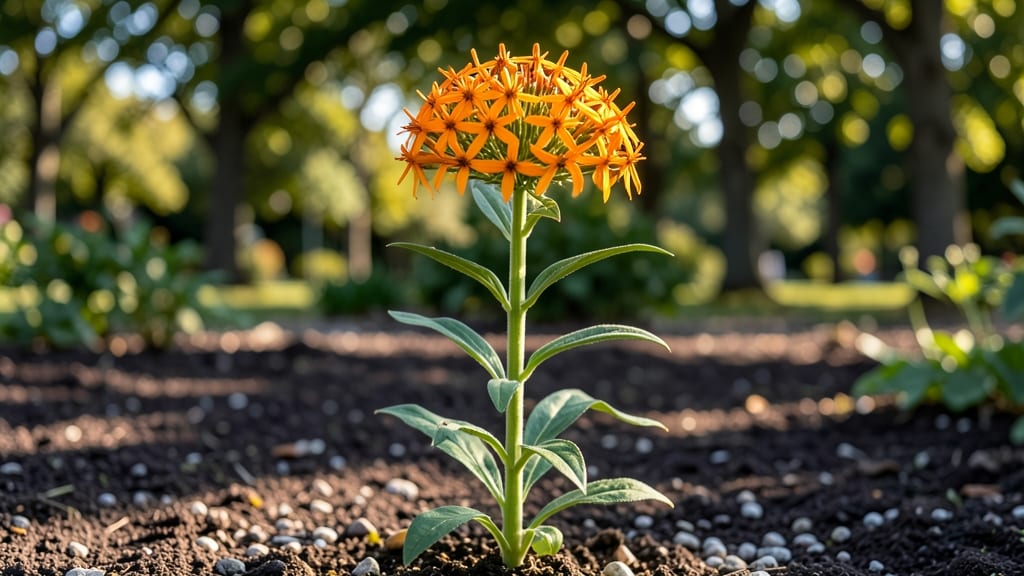
Milkweed with the orange flowers of Asclepias tuberosa—butterfly weed—brings fiery blooms that stop gardeners in their tracks. 🌼 This native milkweed isn’t just stunning—it’s a pollinator magnet, especially for monarchs, and thrives with almost no fuss once planted.
The bright flowers contrast beautifully against deep green foliage, creating a show that lasts from late spring through summer, with seed pods adding winter interest.
What makes this plant special is its dual role: it’s both a drought-tolerant workhorse and a garden showstopper. The orange flowers attract bees, butterflies, and hummingbirds, while the deep roots prevent soil erosion. Plus, it’s deer-resistant, so you won’t lose it to hungry browsers.
Pair it with purple coneflowers or black-eyed Susans for a bold, cottage-garden look, or let it naturalize in a sunny meadow for a wild, romantic feel.
You’ll love how effortless it is to grow—just plant the tubers in well-drained soil and give it full sun. Within a season, you’ll have clusters of bright orange blooms that keep the garden buzzing with life.
The seed pods that follow add texture and movement, even after the flowers fade.
Perfect for borders, prairie-style gardens, or pollinator-friendly landscapes, this milkweed brings color and ecology together. Whether you’re designing a formal garden or a low-maintenance wild space, butterfly weed delivers year-round interest with minimal care.
📚 In This Guide
- What you need
- Instructions
- Tips and common mistakes
- Wrapping up and next steps
What you need
- ● Orange-flowered milkweed seeds (e.g., Asclepias tuberosa or Asclepias franklinii): 1–2 seed packets (50–100 seeds each) for a small garden
- ● 3+ seed packets for larger landscapes or pollinator corridors
- ● Well-draining potting mix (or native soil amended with compost): 1–2 cubic yards for in-ground planting
- ● 10–20 lbs of organic compost (e.g., cow manure or worm castings)
- ● Garden tools: Trowel or transplanting spade
- ○ Garden gloves (optional but recommended!)
- ● Pruners (for trimming mature plants)
- ● Mulch (pine straw, shredded bark, or leaves) to retain moisture and suppress weeds.
- ● Drip irrigation system or soaker hoses for consistent watering.
- ● Native companion plants (e.g., coneflowers, black-eyed Susans) to attract even more pollinators.
- ● Pollinator-friendly markers (e.g., plant labels or stakes) to track varieties.
- ● Epsom salt (1 tbsp dissolved in 1 gallon of water) for magnesium boosts during flowering.
How to create a thriving pollinator garden with orange-blooming milkweed
This vibrant plant isn't just stunning—it's a lifeline for monarchs and bees. Here's how to plant and maintain it for maximum impact.
🌱 Step 1: Select the Right Milkweed Variety for Your Climate
Orange-blooming milkweed comes in several species, each with different hardiness zones. For northern gardens, Asclepias tuberosa (butterfly weed) thrives in zones 3-9, while Asclepias franklinii (Franklin's milkweed) prefers zones 4-8. Check your zone first—planting the wrong variety leads to weak growth or failure.
Look for native species in your region, as they've adapted to local pests and soil. I always verify with my local extension office or native plant society. Avoid hybrid varieties unless they're specifically labeled for pollinator gardens—they often lack the nutrients monarch caterpillars need.
🪴 Step 2: Prepare the Planting Site for Maximum Growth
Milkweed thrives in full sun (6+ hours daily) and well-draining soil. Choose a spot with 60-70% sunlight exposure—too much shade reduces flowering. Amend heavy clay soil with 2-3 inches of compost mixed into the top 12 inches of soil to improve drainage.
Test your soil's pH—milkweed prefers slightly alkaline to neutral (6.5-7.5). If your soil is acidic, add pulverized limestone at planting time. Avoid low-lying areas where water pools after rain—root rot is the #1 killer of milkweed plants.
☀️ Step 3: Plant at the Correct Depth and Spacing
Dig a hole twice as wide as the root ball but only as deep as the container's root base. Milkweed roots are shallow but sensitive to burial. Gently remove the plant from its container and loosen any circling roots with your fingers—this prevents girdling as it matures.
Space plants 18-24 inches apart for single-stem varieties or 3 feet apart for clumping types. Planting too close leads to overcrowding, which reduces flowering. Water deeply immediately after planting to settle the soil around roots. You'll know it's right when the soil surface looks slightly firm but not packed.
💧 Step 4: Water and Fertilize for Year-Round Color
Water deeply once weekly during the first growing season to establish roots. After establishment, milkweed is drought-tolerant but blooms best with 1 inch of water per week. Water at the base rather than overhead—this prevents fungal diseases like powdery mildew that can disfigure leaves.
Fertilize lightly in spring with 5-10-10 fertilizer at half-strength. Too much nitrogen promotes leafy growth at the expense of flowers. I skip fertilizer in the second year—milkweed stores nutrients in its roots and often blooms more prolifically without extra inputs.
✂️ Step 5: Prune and Maintain for Continuous Blooms
Deadhead spent flower clusters in early summer to encourage reblooming later in the season. Use clean, sharp pruners and cut back to the first set of healthy leaves. Avoid cutting into woody stems—milkweed stores energy there for next year's growth.
In late fall, cut back dead stems to 6 inches above ground level. This prevents disease buildup in old growth while leaving enough foliage to protect the crown over winter. Mulch lightly with 2 inches of organic mulch to retain moisture and regulate soil temperature.
Tips & tricks for perfect orange-blooming milkweed gardens
Here's what nobody tells you about making your milkweed garden thrive—and why these details make all the difference for pollinators.
Native Species Selection: When choosing between Asclepias tuberosa and Asclepias franklinii, consider your region's native ecosystem. Asclepias tuberosa thrives in drier climates with well-drained soils, while Asclepias franklinii handles slightly wetter conditions. I always cross-reference with my local extension office's recommended native plants—this ensures your garden supports local monarch populations rather than introducing non-native species that might not support caterpillars.
Soil Preparation Strategy: The 2-3 inches of compost mixed into the top 12 inches of soil isn't just about drainage—it's about creating a nutrient-rich zone where milkweed roots can establish quickly. For heavy clay soils, I add an extra inch of compost and mix in perlite to prevent compaction. The key is to create a soil profile that mimics the plant's natural habitat while ensuring proper drainage, which is critical since root rot is the #1 killer of milkweed plants.
Pruning Precision: When deadheading in early summer, focus on removing only the spent flower clusters—not the entire flower head. Cut back to the first set of healthy leaves to encourage reblooming without sacrificing the plant's energy reserves. In late fall, the 6-inch cut-back isn't arbitrary—it leaves enough foliage to protect the crown while removing dead growth that could harbor diseases. I always use sterilized pruners to prevent spreading fungal spores between cuts.
Watering Wisdom: The deep weekly watering during the first growing season establishes roots that can reach moisture deep in the soil. After establishment, the 1-inch weekly watering guideline assumes average rainfall—adjust if your region experiences droughts or heavy rains. I water at the base using a soaker hose to deliver water directly to the roots without wetting the foliage, which dramatically reduces the risk of powdery mildew.
Pro Tips for Milkweed With Orange Flowers
- Here's what nobody tells you about making your milkweed garden thrive—and why these details make all the difference for pollinators.
- Native Species Selection: When choosing between Asclepias tuberosa and Asclepias franklinii, consider your region's native ecosystem.
- Soil Preparation Strategy: The 2-3 inches of compost mixed into the top 12 inches of soil isn't just about drainage—it's about creating a nutrient-rich zone where milkweed roots can establish quickly.
Frequently asked questions
Got questions about Asclepias tuberosa (the stunning orange milkweed)?
Here are answers to the most common ones—so you can grow and enjoy this pollinator magnet with confidence!
Why does my orange milkweed have no flowers?
Orange milkweed (Asclepias tuberosa) is slow to mature—it can take 2–3 years from seed to bloom! If your plant is young, be patient. For established plants, check for overcrowding, poor soil, or pests (like aphids). If it’s still struggling, try transplanting to a sunnier spot with well-draining soil.
When is the best time to plant orange milkweed seeds?
For fastest results, sow seeds outdoors in early spring (after the last frost) or late summer (6–8 weeks before your first frost). Seeds need cold stratification (a winter chill) to germinate—so don’t rush! If starting indoors, plant in fall and refrigerate for 4–6 weeks before moving to warmth.
What other orange flowers attract monarchs like milkweed?
While milkweed is essential for monarchs, these orange blooms also draw pollinators:
- Butterfly Weed (Asclepias tuberosa)’s close cousins: Asclepias curassavica (tropical milkweed) or Asclepias syriaca (common milkweed, with greenish blooms but important for caterpillars).
- Bright orange perennials: Coreopsis (tickseed), Rudbeckia (black-eyed Susan), or Zinnia (annual but pollinator-friendly).
- Native shrubs: Viburnum dentatum (arrowwood viburnum) offers clusters of tiny white flowers but supports 100+ insect species.
Pro tip: Plant milkweed near these flowers to create a monarch highway!
Why are the leaves on my orange milkweed turning yellow or black?
Yellowing leaves often signal overwatering—milkweed hates soggy roots! Let soil dry between waterings. Black or mushy leaves? Fungal issues (like powdery mildew) may be to blame. Improve airflow, avoid wetting foliage when watering, and consider a fungicide spray if needed. Pests like aphids can also stress plants—hose them off or use neem oil.
Can I grow orange milkweed in containers?
Yes! Choose a large pot (12+ inches deep) with drainage holes and use well-draining potting mix. Place in full sun and water sparingly—containers dry out faster. Fertilize lightly (once in spring) with low-phosphorus fertilizer to avoid leafy growth over blooms. Bonus: Container milkweed is mobile-friendly for renters!
Wrapping up and next steps
Transforming your garden into a vibrant pollinator paradise with milkweed featuring orange flowers is easier—and more rewarding—than you think! 🌸 These striking blooms not only add year-round color but also support vital ecosystems by attracting butterflies, bees, and hummingbirds.
Whether you're a seasoned gardener or just starting out, planting milkweed is a simple yet impactful way to make a difference.
Ready to take the next step? Start small—pick a sunny spot, gather your supplies, and plant a few seeds or seedlings this season. Your garden (and the pollinators!) will thank you for it. Happy gardening! 🌱