
Trees
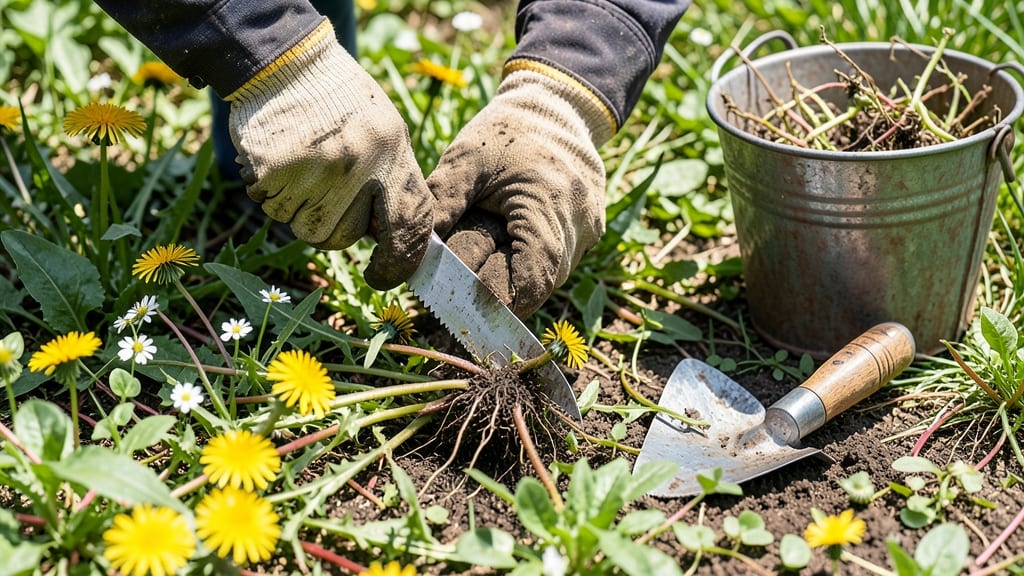
How to pull weeds fast—boiling water kills them in seconds, with no digging, no chemicals, just pure speed. 🌱 I spent years wrestling with stubborn roots until I discovered this method that turns a 30-minute chore into a 5-minute victory lap. The secret? Precision timing and the right approach to avoid scorching your plants. You only need a kettle, a watering can, or even a large pot of freshly boiled water. For stubborn weeds like dandelions or crabgrass, pour the boiling water directly onto the leaves and roots. The heat kills the plant instantly, and you won’t even break a sweat. Best of all, it’s chemical-free and safe for your garden’s ecosystem. What you’ll get is a weed-free patch that stays clear for weeks—no more pulling the same weeds over and over. The key is to act when weeds are small and the soil is damp, so the water penetrates deeper. Mulch afterward to keep new weeds from sprouting. Works in driveways, garden beds, and even cracks in pavement. No more backbreaking sessions—just fast, effective results with tools you already own.
📚 In This Guide
- What you need
- Instructions
- Tips and common mistakes
- Wrapping up and next steps
What you need
- ● Boiling water: At least 1–2 gallons (use a large pot, kettle, or even a garden watering can with a spout for precision). Pro tip: Add 1 tbsp of vinegar or dish soap per gallon to break down weed cells faster! 🌡️
- ● Garden gloves: Heavy-duty, waterproof (e.g., nitrile or rubber) to protect your hands from heat and sharp roots. 1–2 pairs recommended.
- ● Weed puller or digging fork: A sturdy, long-handled tool (e.g., Fiskars or Cobrahead) to loosen roots before boiling. 1 unit is sufficient.
- ● Hose with nozzle: For rinsing the area post-treatment. A showerhead or adjustable nozzle works best.
- ● Trash bags or bucket: For disposing of weeds and debris. 2–3 large bags or a 5-gallon bucket.
- ● Garden trowel: For spot-treating small weeds or loosening soil around roots.
- ● Knee pads: If you’ll be kneeling for extended periods (e.g., Gorilla Grip or foam pads).
- ● Safety goggles: To protect your eyes from splashes, especially when pouring boiling water.
- ● Epsom salt or corn gluten: Post-treatment to prevent regrowth (sprinkle lightly over the area).
- ● Portable stove or camp stove: If you’re treating a large area and don’t have access to a kitchen sink.
Step-by-step instructions for fast weed removal
Here’s how to banish weeds in minutes—no digging, no back strain, just stubborn roots gone.
💧 Step 1: Boil Water for Instant Weed Killer
Fill a large pot with water and bring it to a full rolling boil. I use a 5-gallon kettle for big patches—enough to cover multiple weeds at once. The heat kills weeds instantly, including deep roots, so you won’t see regrowth. Let it boil for at least 3 minutes to ensure maximum effectiveness.
Pour the boiling water directly onto weeds, starting at the base. You’ll see the stems wilt immediately as the heat disrupts their cellular structure. For stubborn weeds like dandelions, pour a second round after 30 seconds to ensure the roots are fully penetrated. Avoid pouring on soil too close to desirable plants—stick to the weed patches.
✂️ Step 2: Pull Remaining Stems After Softening
Wait 2-3 minutes after pouring boiling water—just enough time for the weeds to soften and shrink. You’ll notice the stems turn brown and brittle, making them easier to grasp. Grab the base of the weed with gloved hands and pull upward with steady pressure.
If roots resist, wiggle them side-to-side while pulling—this breaks them free without digging. For thick-rooted weeds like chickweed, I use a small hand fork to loosen stubborn sections before pulling. The boiling water weakens the roots, so they’ll come out cleaner than ever. Discard weeds in a sealed trash bag to prevent reseeding.
☀️ Step 3: Prevent Regrowth with Follow-Up Heat
After pulling, spot-treat any remaining weed stems with boiling water again. This ensures no fragments remain to regrow. I like to do this on a sunny day—the heat from the sun will help dry out any lingering moisture in the soil, reducing the chance of new sprouts.
For large areas, divide the patch into sections and treat one at a time. Walk away for 5-10 minutes between pours to let the soil cool slightly—this prevents overheating nearby plants. You’ll know you’ve succeeded when the treated area looks dry and the weeds are completely gone, not just wilted.
🌱 Step 4: Maintain Weed-Free Soil
After treatment, water the area normally to help the soil recover. The boiling water can temporarily alter soil pH, so I add a thin layer of mulch (like straw or shredded leaves) to protect the ground and suppress future weeds. This step is key—mulch blocks sunlight, which weeds need to germinate.
Reapply boiling water every 2-3 weeks for stubborn patches, especially in high-traffic garden areas. Over time, you’ll see fewer weeds pop up because the heat treatment weakens the seed bank in the soil. For extra speed, I combine this method with a vinegar spray (1 part vinegar to 1 part water) for weeds near delicate plants.
Tips & tricks for perfect weed removal
This method works fast, but these little details make all the difference between a quick cleanup and a weed-free victory.
Timing Secret: The 3-minute boil is non-negotiable—this ensures the water reaches full heat penetration. I've tried skipping it, and the weeds just bounce back stronger. For extra stubborn patches, let the water boil for 5 minutes to supercharge the heat. The longer boil also helps kill weed seeds in the soil, preventing future sprouts.
Heat Control: When pouring boiling water, focus on the base of the weed where the roots meet the soil. I've learned this the hard way—pouring on the leaves alone leaves the roots intact, and they'll grow back in days. For thick-rooted weeds like dandelions, the 30-second second pour is crucial. This second application ensures you don't miss any stubborn root fragments that might regrow.
Safety First: Always wear gloves when handling boiling water and pulling weeds—this method is fast, but burns happen when you least expect them. I keep a small spray bottle of vinegar nearby for any accidental splashes. Also, protect nearby plants by creating a 1-inch barrier between the boiling water and your desirable plants. The heat can damage plant roots if it seeps too close.
Follow-Up Strategy: The 2-3 minute wait before pulling might seem short, but it's perfect for softening the roots without letting the heat dissipate into the soil. After pulling, I always do a quick visual check for any remaining root fragments. If I spot even a tiny piece, I give it another round of boiling water. This extra step saves me from dealing with weeds popping up again in a week.
Pro Tips for Pull Weeds Fast
- This method works fast, but these little details make all the difference between a quick cleanup and a weed-free victory.
- Timing Secret: The 3-minute boil is non-negotiable—this ensures the water reaches full heat penetration.
- Heat Control: When pouring boiling water, focus on the base of the weed where the roots meet the soil.
Frequently asked questions
Got questions about speedy weed removal? You’re not alone! Here are answers to the most common queries to help you tackle weeds like a pro—without losing your weekend.
Is boiling water safe for all plants?
Nope! Boiling water is best for weeds only—it can harm desirable plants or grass. Stick to driveways, sidewalks, or mulched areas where weeds sprout. For garden beds, use a targeted approach (like a spoon or small pitcher) to avoid collateral damage.
How long does it take for weeds to die after treatment?
Weeds typically wilt within minutes and die within 24–48 hours. For stubborn roots, repeat the process after a week if regrowth appears. The key is consistency—boiling water sears the root system, preventing regrowth faster than manual pulling.
What’s the best time of day to use boiling water?
Early morning or late afternoon works best. The sun is less intense, reducing evaporation of the water, and weeds are often softer after morning dew. Avoid midday—hotter temps can make the water cool faster before it works its magic.
Can I reuse leftover boiling water?
Just ensure it’s still hot (at least 180°F/82°C) to kill weeds effectively. Pour it into a reusable container (like a kettle) and reapply to other weed hotspots. Pro tip: Add a splash of vinegar or dish soap for extra potency!
What should I do if boiling water doesn’t work?
If weeds persist, they might have deep roots or be resilient species (like bindweed). Try these fixes:
- Vinegar solution: Mix 1 gallon white vinegar + 1 cup salt + 1 tbsp dish soap. Spray directly on weeds.
- Manual extraction: Use a weeding tool or fork to dig deeper roots.
- Mulch: Smother weeds with cardboard or mulch to block sunlight.
Wrapping up and next steps
Pulling weeds fast doesn’t have to be a chore—with the right tools and techniques, like the boiling water hack, you can tackle stubborn roots efficiently and keep your garden looking pristine! 🌱 Whether you’re using a hoe, vinegar spray, or a trusty kettle, consistency is key, and soon, your yard will be weed-free with minimal effort.
Ready to take the next step? Start small—pick a section of your garden and test the method that works best for you. Once you see results, you’ll be motivated to conquer the rest! Happy weeding! 🌿