
How To
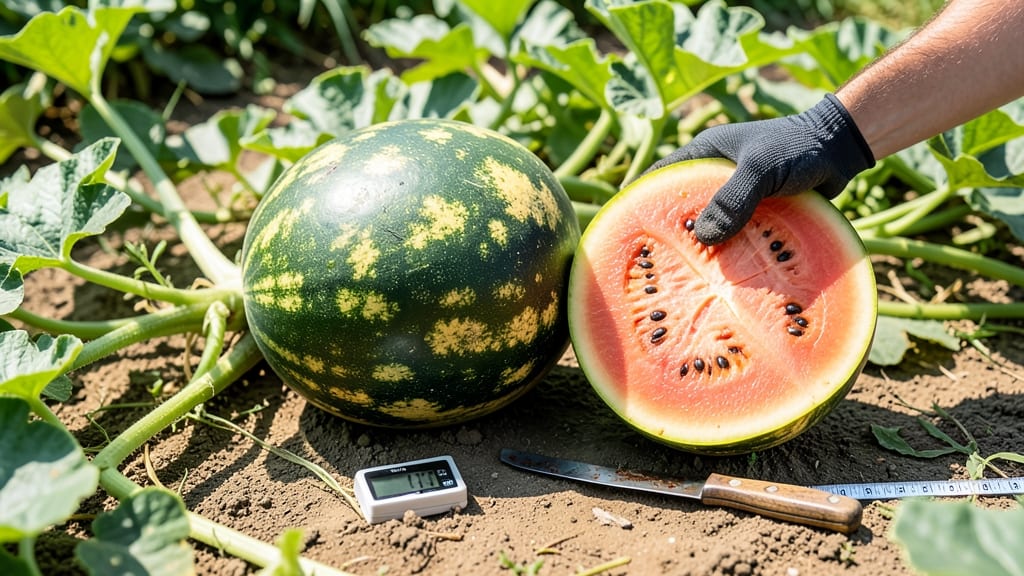
5 Proven ways to test watermelon ripeness (no knife needed)
Nothing beats the joy of biting into a juicy, perfectly ripe watermelon—except maybe the disappointment of a watery, underripe one. The good news? You don’t need a knife to predict sweetness. These five sensory-based methods let you test ripeness with your eyes, ears, and nose, backed by real science.
Whether you're shopping at the market or harvesting from your garden, these tricks will help you pick melons at their peak.
Watermelons don’t ripen further after harvest, so timing is everything. A ripe watermelon should be firm, aromatic, and have the right color. But how do you know for sure without cutting it open?
Let’s dive into the proven techniques that gardeners and experts swear by to guarantee that perfect crunch and burst of flavor.
🌱 5 Ways to Test Watermelon Ripeness
- 1. The Tap Test: Tap the watermelon with your knuckles. A ripe one will sound deep and hollow, while an unripe one will have a dull, flat sound.
- 2. Check the Field Spot: Look for a cream-colored spot on the bottom. If it’s yellow or white, the melon is ripe. Avoid spots that are still green or brown.
- 3. Examine the Color: A ripe watermelon will have a uniform, deep color—dark green rind for most varieties, or tan for some heirloom types. Avoid melons with pale or uneven coloring.
- 4. Smell the Stem End: Give the cut stem end a sniff. A ripe watermelon will have a sweet, musky aroma. If it smells bland or musty, it’s not ready.
- 5. Feel the Weight: Lift the melon—it should feel heavy for its size. This indicates it’s filled with water and juice, not hollow or underripe.
The tap test is my favorite because it’s foolproof. When you tap a ripe watermelon, the sound travels through the juicy flesh, creating that satisfying hollow echo. This method works because ripe watermelons have fully developed seeds and flesh, which create more air space inside, amplifying the sound.
It’s like listening to a drum—only edible!
Next, the field spot is a dead giveaway for homegrown melons. This is the spot where the watermelon rested on the ground while growing. When ripe, it turns from green to a creamy yellow or white.
If you’re buying from a store, this spot might be hidden under a sticker, but don’t worry—you can still use the other methods to confirm ripeness.
A deep, consistent color is another key indicator. Most watermelons should have a dark green rind with a slightly striped pattern. If the rind is pale or has patches of yellow, the melon might not be fully ripe.
For varieties like Sugar Baby or Crimson Sweet, the rind should be uniformly dark. Pro tip: Avoid melons with white streaks—they’re often overripe or underripe.
Your nose knows best when it comes to the stem end. A ripe watermelon will release a sweet, floral scent when you sniff near the stem. If it smells like nothing, it’s not ready.
This scent comes from the natural sugars and compounds that develop as the melon matures. Trust your nose—it’s one of nature’s best quality checks!
Finally, weight matters. A ripe watermelon should feel surprisingly heavy for its size. This is because the flesh is packed with water and natural sugars. If it feels light, it’s likely underripe or hollow.
Lift a few melons in your hand—you’ll quickly notice the difference between a ripe, juicy one and a waterlogged or underdeveloped one.
Combine these methods for the best results. For example, if a melon passes the tap test, has a creamy field spot, and smells sweet, it’s probably ready to eat. But if it fails even one test, like having a dull tap or no aroma, it’s best to keep looking.
These tricks have saved me from countless watery watermelons and earned me the title of "Watermelon Whisperer" among my gardening friends.
Now that you’re armed with these no-knife-needed tricks, you’ll never second-guess a watermelon again. Whether you’re shopping at the farmers' market or harvesting from your own patch, these methods ensure you’ll always pick melons that are bursting with sweetness and flavor. Happy melon hunting!
Why the tap test works: the science behind watermelon vibrations
The tap test is one of the most reliable ways to judge watermelon ripeness without cutting it open. When you thump a ripe melon, it produces a deep, hollow sound—like knocking on a wooden door.
This isn't just old wives' advice; it's rooted in the physics of fruit maturation. As watermelons ripen, their internal structure changes, affecting how sound travels through them.
Most gardeners assume the tap test works because of water content, but the real magic happens in the seed cavity. A fully ripe watermelon develops a large, air-filled seed chamber that amplifies sound waves.
This hollow resonance is your cue that the fruit has reached peak sweetness. The denser, less ripe melons produce a dull thud because their internal structure is more uniform and less airy.
🌱 How to Perform the Tap Test Like a Pro
- Knock firmly with your knuckles near the field spot (the cream-colored spot where the melon rested on the ground).
- Listen for a deep, hollow "boom"—this means the seed cavity is fully developed.
- A dull thud signals underripe fruit, while a high-pitched ping often means overripe or mushy flesh.
💡 Pro Tip: Tap near the stem end—this is where the seed cavity is largest.
The sugar content in watermelons also plays a crucial role in how sound travels. As the fruit matures, it converts starches into sugars, which alters its internal density. The more sugar-filled cells there are, the more they scatter sound waves, creating that signature hollow echo.
This is why seedless varieties sometimes sound slightly different—their internal structure lacks the large seed cavities of traditional melons.
One common misconception is that a heavier watermelon is always riper. While weight can indicate size, it doesn’t guarantee sweetness. A heavy melon might just be waterlogged or overgrown.
Always combine the tap test with visual cues like the field spot color (creamy yellow) and stem condition (dry and detached easily) for the most accurate results.
For home gardeners, mastering the tap test can save you from disappointment. Next time you're at the farmers' market, take a moment to listen—your ears might just detect the sweetest melons in the bunch before anyone else.
The science is simple: a hollow knock means a juicy, flavorful reward waiting inside.
🌿