
How To
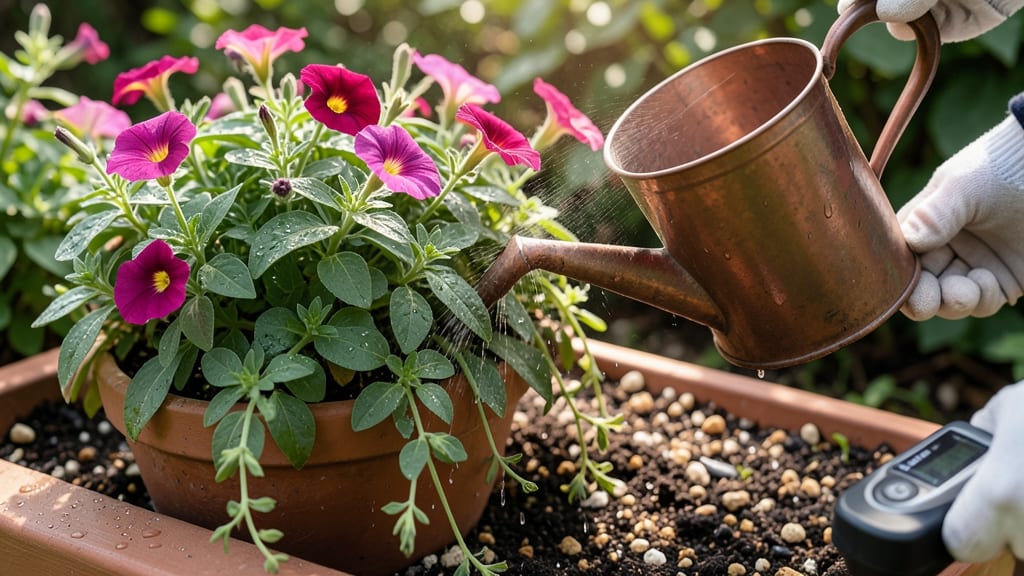
Watering petunias every morning keeps them blooming all season without wilting or root rot.
Struggling to keep your 🌸 vibrant and blooming all season? The secret isn’t just how much you water—it’s when you water them. A simple morning routine can transform wilting flowers into lush, thriving plants overnight.
Petunias need consistent moisture, but too much water at the wrong time leads to soggy soil and fungal diseases. In USDA Zone 6a, where spring planting starts in April, timing matters more than you might think.
Below, I’ll break down the exact watering schedule by season, how to spot overwatering vs. underwatering, and the best tools to save water while keeping your petunias happy.
Petunia watering schedule by season: morning vs. evening best practices
Petunias thrive on consistent moisture, but timing your watering makes all the difference. Morning watering gives roots time to absorb moisture before the heat of the day, while evening watering can lead to fungal diseases like powdery mildew.
Let’s break down the best practices for each season and climate to keep your petunias blooming all year.
In spring, petunias need frequent watering as they establish roots. Aim for daily watering in the morning—this helps prevent wilting during warm afternoons. If your region is humid, reduce to every other morning to avoid soggy soil.
Always water at the base of the plant to keep foliage dry.
Summer is the most critical season for petunias. With intense heat and evaporation, water daily in the morning—ideally before 10 AM. For dry climates, consider deep watering every 1-2 days to encourage deep root growth.
If you must water in the evening, do so at least 2 hours before sunset to allow foliage to dry.
As temperatures drop in fall, reduce watering to every 2-3 days. Morning watering remains ideal, but you can adjust to late morning if mornings are chilly. Avoid watering in the evening entirely—cool nights and damp foliage create perfect conditions for root rot and fungal spores.
Winter care is minimal, but don’t neglect your petunias entirely. Water bi-weekly in the morning if temperatures stay above freezing. If frost is expected, skip watering to avoid freezing soil. Mulch around the base to retain moisture and protect roots.
For container-grown petunias, watering needs are slightly different. Containers dry out faster, so check soil moisture daily in summer. Stick your finger 1 inch into the soil—if it’s dry, water thoroughly. Morning watering is still best, but self-watering pots can help maintain moisture if you’re away.
If you notice yellowing leaves or drooping blooms, it’s a sign of underwatering. Conversely, mushy stems or white powder on leaves indicate overwatering. Adjust your schedule based on these signs, and always prioritize morning watering for the healthiest petunias.
Pro tip: Use a moisture meter or the finger test to gauge soil moisture. This helps you fine-tune your watering schedule without guesswork. Consistency is key—petunias reward attentive care with vibrant blooms all season.
Remember, climate matters. In arid regions, petunias may need watering twice daily in peak summer, while coastal areas with high humidity can stretch watering intervals. Always observe your plants and adjust as needed.
5 Signs your petunias need water (and how to fix it fast)
Your petunias are the stars of summer, but they can’t survive on good looks alone. Even the hardiest varieties wilt when their water needs aren’t met. The key is spotting the warning signs before it’s too late—drooping leaves, crispy edges, or yellowing foliage all scream for attention.
I’ve learned the hard way that ignoring these cues leads to leggy stems and fewer blooms.
Petunias thrive on consistent moisture, but overwatering is just as deadly as underwatering. The soil should feel like a damp sponge—not soggy or bone-dry. If you’re unsure whether to water, stick your finger 1 inch deep; if it’s dry, it’s time.
The good news? Fixing the issue is often as simple as adjusting your routine or giving them a deep drink.
💧 Petunia Watering Quick Fixes
- 🌱 Morning watering (before 10 AM) prevents fungal diseases and reduces evaporation.
- 💦 Deep soak (1 inch of water) every 1-2 days in summer; less in cooler months.
- 🌿 Mulch with 2-3 inches of straw or shredded leaves to retain moisture.
- 🚫 Avoid overhead watering—use drip irrigation or water at the base.
- 📏 Check soil daily in extreme heat; containers dry out faster than in-ground plants.
First on your petunia health checklist should be wilting leaves. If they droop by midday but perk up in the evening, your plants are thirsty. Give them a thorough watering and watch them bounce back within hours.
Pro tip: Container petunias wilt faster than in-ground varieties because pots dry out quicker. If the soil feels like sand, water immediately—no waiting.
Yellowing leaves often signal overwatering, but they can also mean your petunias need better drainage. If the roots sit in soggy soil, they’ll suffocate. To fix this, amend the soil with perlite or sand, and water only when the top 2 inches are dry.
Yellow leaves paired with brown edges? That’s a classic sign of salt buildup from tap water—switch to rainwater or distilled if possible.
Dry, crispy edges on the leaves or stems are a red flag for underwatering. These areas lose moisture faster, and once they crisp, the damage is permanent. To prevent this, water deeply in the morning and mulch heavily.
If you’ve already spotted crispy edges, trim the affected parts with clean scissors and increase watering frequency temporarily. Petunia blooms also suffer—wilting flowers won’t reopen, so deadhead them to encourage new growth.
Last but not least, stunted growth or weak stems mean your petunias aren’t getting enough water—or nutrients. If the soil is dry and the plants look leggy, they’re stretching toward any moisture they can find. Boost their health with a balanced fertilizer (like 10-10-10) and water consistently.
Remember, petunias are heavy drinkers, especially in full sun. If your garden gets 6+ hours of sunlight daily, plan to water every morning.
Now that you know the signs, grab your watering can and give your petunias the attention they deserve. A little prevention goes a long way—your blooms will thank you with vibrant, long-lasting color all season. 🌸