
Watering
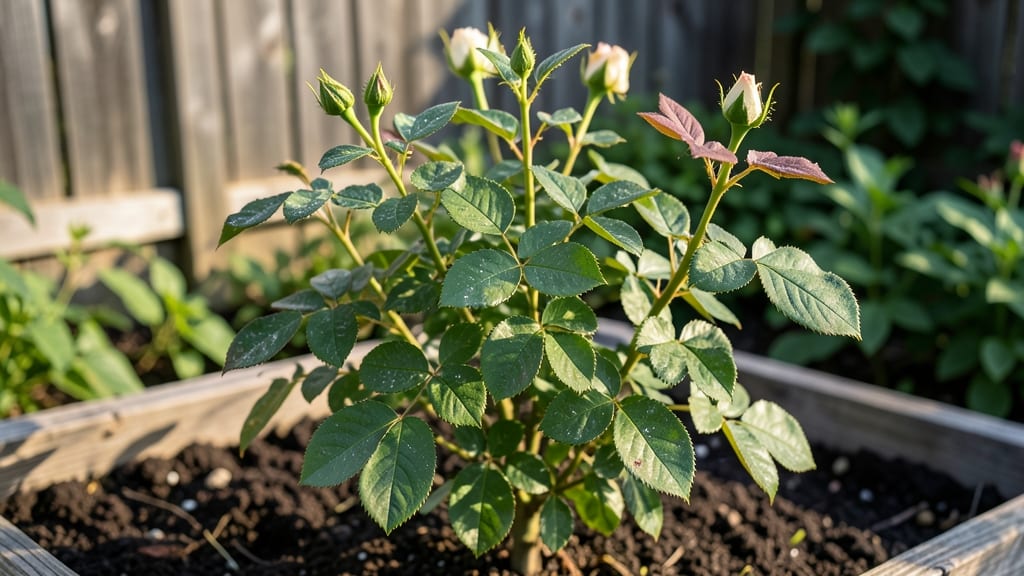
Watering your Knockout Roses 🌹 the right way keeps them blooming all season—but guessing how often to water can mean the difference between lush, vibrant flowers and sad, wilted stems.
You’ve probably noticed your Knockout Roses drooping by midday or struggling to bounce back after a heatwave. That’s not just a coincidence—it’s a watering problem. Too much, and you risk root rot; too little, and the blooms fizzle out.
The key? A simple soil-check method that adapts to your climate and season.
Most gardeners overcomplicate watering, but the truth is simpler: your Knockout Roses need deep, infrequent watering—about once a week in summer, with adjustments for rain or drought. The secret lies in checking the soil 1-2 inches down before you water, ensuring moisture reaches the roots where it matters most.
In this guide, I’ll walk you through the exact watering schedule by season, how to perform the perfect soil test, and the common mistakes that turn thriving roses into struggling shrubs.
By the end, you’ll have a foolproof routine that keeps your Knockout Roses healthy, blooming, and drought-resistant year after year.
The Knockout Rose watering schedule by season: a month-by-month guide
Mastering the Knockout Rose watering schedule is the secret to those nonstop blooms from spring through fall. These drought-tolerant shrubs thrive on consistency, but their needs shift dramatically with each season. Too much water causes root rot, while too little stresses the plant and fades those vibrant blooms.
The key? Adjusting your watering routine based on temperature, rainfall, and soil conditions—not just a rigid calendar.
In hot, dry summers, your Knockout Roses may need watering every 5-7 days, while cool springs and falls often require only bi-weekly watering. Winter slows growth, so you can cut back to monthly deep waterings unless you're in a freeze-prone zone.
I'll walk you through exactly how to adapt your schedule month by month, plus how to tell when your roses are thirsty or drowning.
Let's start with spring watering, when your Knockout Roses are waking up from dormancy. In April and May, aim for 1-2 deep waterings per week, especially if you're in a region with low rainfall.
The goal is to moisten the soil 6-8 inches deep—this encourages roots to grow downward rather than staying shallow. Use your finger to check: if the top 1-2 inches of soil feel dry, it's time to water.
Spring is also when you should mulch around the base with 2-3 inches of organic mulch to lock in moisture.
Summer is when most gardeners struggle with Knockout Rose watering—either drowning them or letting them wilt. From June through August, these roses need more frequent watering, especially in hot, dry climates.
In extreme heat (above 90°F), you might need to water every 3-4 days, but always check the soil first. The key is deep watering in the morning to prevent fungal diseases that thrive in damp foliage.
If you notice drooping leaves by midday, that's your plant crying for water—but don't overcompensate by soaking the roots daily.
As fall arrives, you can gradually reduce watering. By September and October, your Knockout Roses are preparing for dormancy, so bi-weekly watering is usually sufficient.
Pay attention to your local first frost date: once temperatures consistently drop below 50°F at night, cut back to monthly deep waterings. This helps prevent root rot during the cooler months.
In rainy falls, you might not need to water at all—just check that the soil isn't staying soggy for more than a few days.
Winter care is often overlooked, but it's crucial for next year's blooms. From November through March, your Knockout Roses only need monthly waterings unless you're in a freeze-prone zone with little snow cover. The exception? If you're in a mild winter climate
How to perform the soil check test: when and how deep to test
Mastering the art of watering your Knockout Roses starts with understanding their soil moisture needs. Unlike many plants that thrive on strict schedules, these roses rely on soil-based cues to determine when they're truly thirsty.
The finger test method is my go-to technique—simple, accurate, and requires no fancy tools. This method helps you avoid both overwatering (which causes root rot) and underwatering (which leads to wilted blooms).
For Knockout Roses, the ideal testing depth is 1-2 inches below the soil surface. This depth aligns perfectly with where their roots actively seek moisture. Testing deeper can give misleading results, especially in well-draining soil, while testing too shallow may not reflect the true moisture level where roots are growing.
The key is consistency—always test at the same depth to track changes accurately over time.
Step-by-Step Soil Check Test for Knockout Roses
- Step 1: Choose a representative spot near the base of your rose bush, but not right next to the stem. Avoid areas with mulch or dense foliage.
- Step 2: Use your index finger to gently poke into the soil until you reach 1-2 inches deep. Apply light pressure—just enough to feel resistance.
-
Step 3: Observe the moisture level:
- If soil feels dry and crumbly, it's time to water.
- If it feels slightly moist (like a damp sponge), wait 1-2 days.
- If it's soggy or muddy, delay watering to prevent root rot.
-
Step 4: Check the soil color:
- Dark brown/black = Moisture present (wait to water).
- Light tan/gray = Dry (water immediately).
- Step 5: For newly planted roses, test daily for the first 2 weeks to establish a baseline. Mature roses (over 2 years old) can be tested every 3-4 days during summer heat.
- Step 6: Use a moisture meter (like the XLUX Soil Moisture Meter) for precision, especially in containers or sandy soil. These tools measure moisture at multiple depths and are invaluable during extreme weather.
Visual cues beyond the finger test can save you time. For example, wilted leaves that don’t perk up after watering often signal root-bound stress, while yellowing leaves (especially on older growth) may indicate overwatering.
However, these symptoms are lagging indicators—your soil check test provides real-time data to adjust watering before problems arise. I recommend testing soil every 2-3 days during peak summer months (June-August) when evaporation rates skyrocket.
Tools like moisture meters or soil probes are worth the investment if you're serious about Knockout Rose care. These devices eliminate guesswork, especially in containers where soil dries out faster.
For instance, a 3-gallon pot may need watering every 3-4 days in summer, while in-ground roses can stretch to 7-10 days between waterings. Always adjust based on your local climate conditions—humid areas may require more frequent checks than arid regions.
Remember, the goal is to maintain consistent moisture without waterlogging. Knockout Roses are drought-tolerant once established, but they perform best with deep, infrequent waterings that encourage strong root growth.
By mastering this soil check method, you’ll transform your watering routine from a guessing game into a science-backed practice that keeps your roses blooming from spring to frost. 🌹