
How To
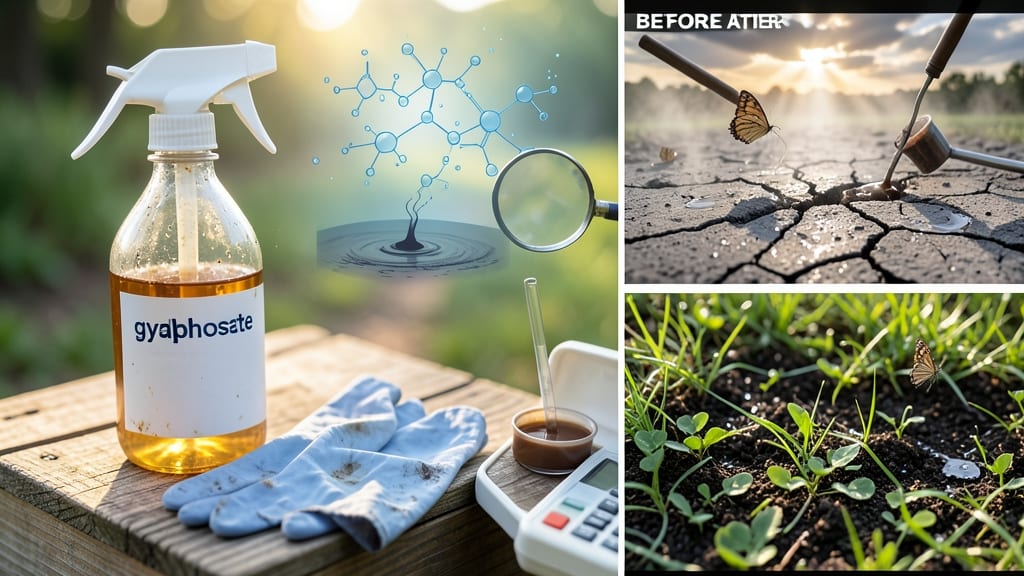
The effects of chemical weed control on soil and environment include microbial imbalance, organic matter depletion, and residue pollution that harms waterways and wildlife. Overapplication leads to lasting soil damage and ecosystem disruption.
The problem starts with soil's invisible workforce—beneficial microbes that break down organic material and cycle nutrients. Chemical herbicides like glyphosate and atrazine don't discriminate; they kill both weeds and these microscopic helpers. 🌱 This creates a vicious cycle: less microbial activity means slower decomposition, which reduces soil fertility over time.
Even "safe" herbicides can linger in the soil for years, altering plant growth patterns and making ecosystems more vulnerable to invasive species.
Beyond the soil, these chemicals often end up in groundwater through runoff, creating toxic zones that affect drinking water supplies. Studies show herbicide residues have been found in wells across agricultural regions, with some compounds persisting for decades.
The environmental cost extends to wildlife too—birds and aquatic species suffer from reduced food sources and direct chemical exposure, leading to population declines in sensitive areas.
💡 In This Article
- How Herbicides Alter Soil Microbial Communities
- Long-Term Environmental Risks of Chemical Weed Killers
How herbicides alter soil microbial communities
Herbicides like glyphosate disrupt soil microbes by targeting specific biochemical pathways essential for survival. Glyphosate, for example, inhibits the shikimic acid pathway in plants and microbes, which is critical for synthesizing aromatic amino acids like phenylalanine and tyrosine.
Without these building blocks, beneficial bacteria and fungi—such as Pseudomonas and Trichoderma—struggle to reproduce, leading to a 30-50% reduction in microbial populations within weeks of application. This collapse weakens soil's natural ability to decompose organic matter, leaving plant residues to accumulate and deplete oxygen levels.
The impact extends to earthworms, which aerate soil and mix organic material. Studies show that glyphosate exposure reduces earthworm populations by up to 40% by disrupting their digestive enzymes. Without these creatures, soil structure deteriorates, increasing erosion risks.
Even "selective" herbicides like 2,4-D, designed to target broadleaf weeds, can harm actinobacteria, which play a key role in breaking down complex organic compounds. The result? A soil ecosystem that becomes less resilient to stress and more dependent on synthetic inputs.
What makes this particularly concerning is how long these effects linger. Glyphosate residues can persist in soil for 6 months to 2 years, depending on conditions, continuously suppressing microbial recovery.
This creates a feedback loop: fewer microbes mean slower nutrient cycling, which in turn reduces plant health and increases the need for more herbicides. Over time, this cycle degrades soil fertility, making it harder to grow crops without chemical interventions.
Consider the case of no-till farming, where herbicides are heavily used to control weeds without plowing. While this practice conserves soil structure, it also creates a microbial desert in the upper layers.
Research from the University of Nebraska found that no-till fields treated with glyphosate had 20% less fungal biomass and 15% fewer beneficial bacteria compared to untreated plots. The loss of these microbes reduces soil's ability to sequester carbon, accelerating climate change impacts.
The sensory clues of degraded soil are often overlooked. Healthy soil smells rich and earthy, thanks to microbial activity. After herbicide use, the aroma becomes flat or even chemically sharp—a sign of disrupted microbial life.
Visually, soil may appear darker due to accumulated organic matter that isn't breaking down, while earthworm castings (small, granular deposits) become scarce. These changes signal a soil ecosystem in decline.
For gardeners and farmers, this means investing in microbial boosters like compost teas or mycorrhizal fungi can help rebuild soil health after herbicide use. However, prevention is key—reducing chemical reliance through cover cropping or manual weeding preserves these critical soil communities long-term.
The balance between weed control and soil health is delicate but essential for sustainable agriculture.