
Shrubs
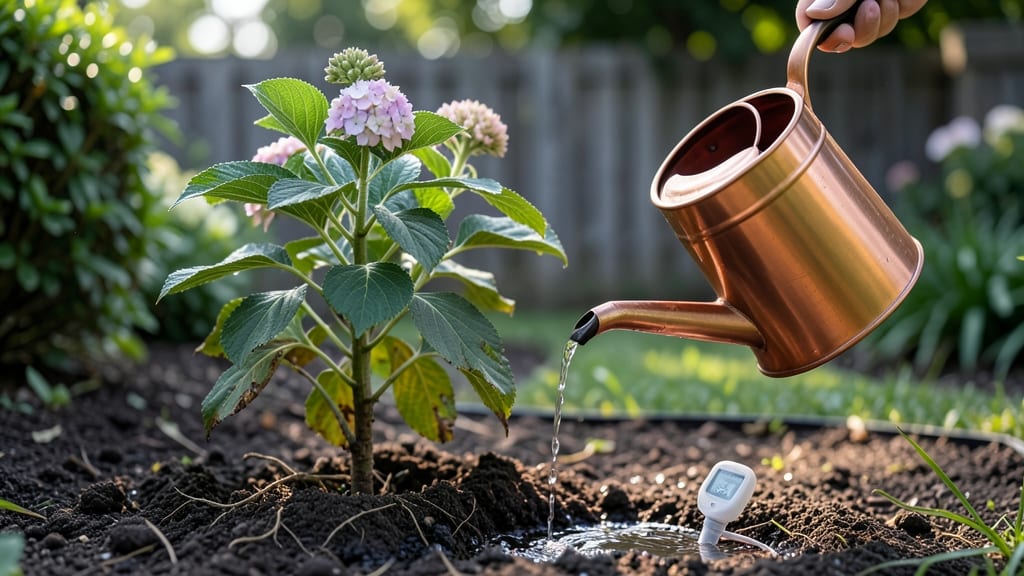
Deep-soil watering schedule for new shrubs by season
Establishing a deep-soil watering routine is the key to helping newly planted shrubs thrive. Unlike shallow watering, which only moistens the surface, deep watering encourages roots to grow downward where they can access nutrients and moisture. This method reduces stress and improves drought resistance in the long run.
Your shrubs' watering needs change dramatically by season and soil type. Sandy soils drain quickly, while clay holds moisture longer. Even the shrub variety matters—hydrangeas and azaleas need more frequent watering than drought-tolerant lavender or boxwood. Let's break it down by season for optimal care.
In spring, newly planted shrubs need the most attention as they establish roots. Water deeply every 2-3 days for sandy soils and every 5-7 days for clay.
Aim to moisten the soil to 12-18 inches deep—use a trowel to check moisture levels. This encourages roots to grow downward rather than staying shallow.
During summer heat, increase frequency to daily watering for sandy soils and every 3-4 days for clay. Water in the early morning to reduce evaporation and fungal risks. For container-grown shrubs, check soil moisture daily—they dry out faster. Always water until you see runoff at the base.
As fall approaches, reduce watering gradually. By late fall, most shrubs only need water every 7-14 days unless your region experiences drought. This tapering helps harden off roots before winter dormancy. Always water in the morning to allow foliage to dry before evening chill sets in.
Winter care depends on your climate zone. In mild winters (Zones 7-10), water lightly every 3-4 weeks if the ground is frozen. In colder zones (3-6), skip watering unless soil is bone-dry. Mulch heavily (3-4 inches) to insulate roots and retain moisture from snowmelt.
For drought-tolerant shrubs like lavender, Russian olive, or juniper, adjust your schedule by 50% less frequency. These varieties store water in their stems and roots, so they handle dry spells better. Always monitor leaf color—grayish or wilting leaves signal underwatering, while yellowing or mushy stems indicate overwatering.
Pro tip: Use a soil moisture meter or the "finger test" to check depth. Stick your finger 2-3 inches into the soil—if it feels dry, it's time to water. For heavy clay soils, wait until the top 4 inches are dry before watering again to prevent compaction.
Consistency is key—stick to your seasonal schedule and
Signs your new shrubs are overwatered or underwatered
New shrubs communicate their water needs through subtle visual cues—if you know what to look for. Yellowing leaves or mushy stems often signal overwatering, while crispy leaf edges and drooping foliage scream thirst. The key is checking both the leaf condition and soil moisture before symptoms become irreversible.
Start by examining the leaf color and texture. Healthy shrubs like hydrangeas or boxwoods have vibrant green leaves with a slight sheen. Dull, yellow leaves with brown patches? That’s a red flag for overwatering. For underwatered shrubs, leaves may curl or turn a dusty gray-green as they conserve moisture.
Next, test the soil moisture 1-2 inches below the surface. Stick your finger in—if it feels soggy or smells musty, you’re overwatering. Conversely, if the soil is bone-dry, your shrubs need immediate hydration. Newly planted shrubs should have consistently moist (not wet) soil during their first year.
Overwatering vs. Underwatering: Quick Fixes
| Issue | Signs | Action |
|---|---|---|
| Overwatering |
|
|
| Underwatering |
|
|
Pro Tip: Morning watering prevents fungal diseases while evening watering increases humidity risks.
Don’t ignore stem and root health—these are critical indicators. Blackened or rotting stems mean your shrubs are drowning, while hollow, woody stems signal severe dehydration. For newly planted shrubs, gently tug on the plant: if it resists, roots are established; if it pulls out easily, it’s thirsty.
Adjust your watering schedule based on these signs. In hot, dry climates, water every 2-3 days in summer, while cooler months may only need weekly hydration. Container-grown shrubs dry out faster—check soil daily during heatwaves.
When in doubt, dig deeper. Use a soil moisture meter or your finger to check moisture levels at the root zone (4-6 inches down). Consistent moisture, not soggy soil, is the goal for root establishment in the first year.
With practice, you’ll spot these signs before they become serious problems.