
Watering
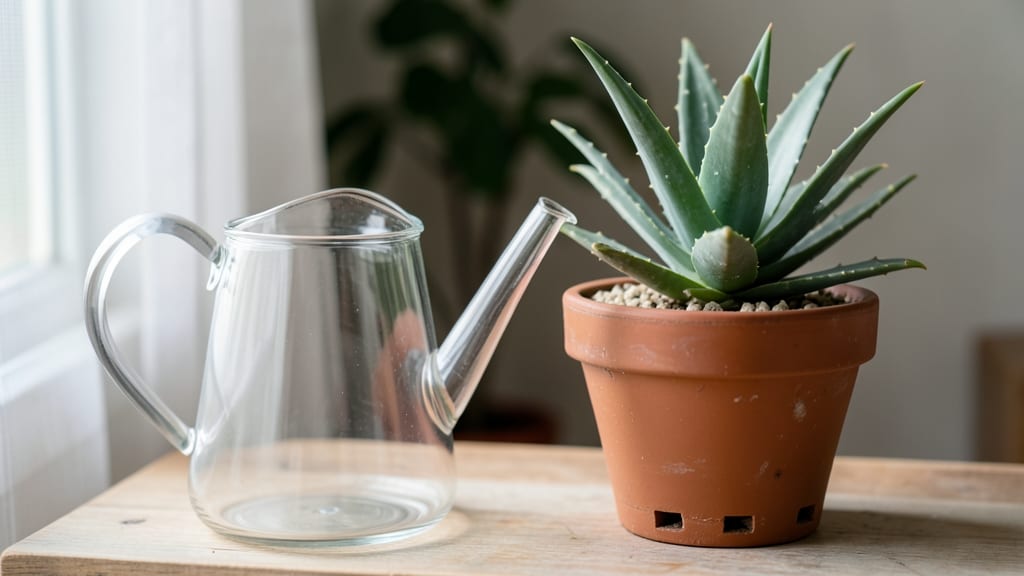
Watering aloe plants every three weeks is the key to keeping your 🌵 thriving without risking root rot, but most gardeners still guess wrong.
Overwatering aloe vera is the #1 mistake killing these hardy plants—yet many gardeners still drown them without realizing it.
The secret to thriving aloe lies in a precise watering schedule that mimics its desert origins, and we’re breaking down the exact 3-week cycle that keeps your plant lush without risking root rot.
If you’ve ever watched your aloe leaves turn mushy or yellow from too much water, you know how quickly things go wrong. The good news? Aloe plants are drought-tolerant and actually prefer dry conditions, which means you can’t overdo it—just get the timing right.
In this guide, I’ll show you how to adjust for your climate, spot the signs of over- or underwatering, and create a foolproof routine that keeps your aloe happy year-round—no guesswork required.
The 3-Week watering cycle for aloe plants: when, how much, and what to watch for
Aloe plants thrive on a 3-week watering cycle because their desert roots store water efficiently. Unlike thirsty houseplants, aloe vera stores moisture in its thick leaves, making it resilient to drought but deadly vulnerable to overwatering.
The key is letting the soil dry out completely between waterings—this mimics their natural arid habitat and prevents root rot, the silent killer of aloe plants.
Most gardeners water aloe too frequently, thinking "more is better." But aloe vera’s succulent nature means it prefers underwatering over soggy soil. In fact, the #1 mistake I see is watering on a fixed schedule without checking soil moisture.
Your aloe’s watering needs change with seasonal growth, pot size, and even room temperature. That’s why I’ve designed this 3-week cycle—it’s flexible enough to adapt to your plant’s signals while keeping it healthy year-round.
To master this 3-week cycle, start with the finger test: Stick your index finger 2-3 inches into the soil. If it feels dry, it’s time to water. If it’s still damp, wait another week.
I always water my aloe in the morning to let excess moisture evaporate during the day. This simple habit has saved my plants from root rot more times than I can count!
Pot size matters too—smaller pots dry faster, so aloe in 6-inch containers may need water every 2 weeks in spring, while larger pots (10+ inches) can stretch to 4 weeks.
Pro tip: Use a pot with drainage holes and a cactus mix—this combo mimics aloe’s natural environment and prevents waterlogging. I swear by terracotta pots because they breathe and reduce humidity around the roots.
Watch for visual cues that your aloe is thirsty: Leaves pull inward or develop a hollowed appearance. These signs mean it’s time to water, even if it’s not yet the 3-week mark. On the flip side, yellowing leaves or a mushy base are red flags for overwatering.
I’ve learned the hard way that aloe’s wrinkled leaves in winter are normal—it’s entering dormancy, not begging for water.
Seasonal adjustments are critical. In summer heat, aloe goes into a semi-dormant state, so I cut watering to every 6 weeks unless the soil is bone-dry. Conversely, spring growth signals it’s time to water more frequently.
I’ve even kept my aloe outdoors in USDA Zone 7b during mild winters, but I always bring it inside when temperatures drop below 40°F to protect its delicate roots.
One mistake I see often is relying on a watering schedule instead of observing the plant. Aloe vera’s growth rate changes with age—young plants need water every 2 weeks, while mature aloe can handle monthly watering in winter.
Pay attention to your plant’s leaf plumpness and root health. Healthy roots should be firm and white, never brown or smelly. If you’re unsure, dig gently—your aloe will thank you!
For container growers, remember that potted aloe dries out faster than in-ground plants. If your aloe is in a plastic pot, it may need water 1 week earlier than terracotta.
I also recommend bottom-watering to encourage deep root growth—just place the pot in a tray of water for 10 minutes and let it drain completely. This method gives you better control over water absorption and reduces the risk of overwatering.
Finally, don’t forget that <
5 Common watering mistakes that kill aloe plants (and how to fix them)
Aloe plants are famously low-maintenance, but even these desert survivors can die from watering mistakes. I’ve seen gardeners accidentally drown their aloe by making these 5 critical errors—and I’ll show you how to fix them before it’s too late.
The key is understanding your aloe’s natural drought tolerance and adjusting your routine accordingly.
First, most people assume aloe needs regular watering like other houseplants. But aloe stores water in its leaves, meaning it can go weeks without a drink. I’ve had aloe plants survive 6 weeks without water in hot, dry conditions—though I wouldn’t recommend testing this with your first plant!
The real danger isn’t underwatering but overwatering, which causes root rot and yellowing leaves.
⚠️ How Often Do You Water Aloe Plants?
Mistake #1: Watering on a fixed schedule (e.g., every Sunday). Aloe needs water only when the soil is completely dry—usually every 3-4 weeks in spring/fall and every 6-8 weeks in winter. Use the 'finger test': Stick your finger 2 inches into the soil. If it’s dry, water; if damp, wait.
Second, many gardeners use tap water without checking its mineral content. High levels of chlorine, fluoride, or salts can damage aloe roots over time. I always let tap water sit out for 24 hours before using it, or I collect rainwater for my aloe.
You can also test your water’s mineral content with a DIY vinegar test: Add a few drops of vinegar to a cup of water. If it fizzes, your water is too alkaline for aloe.
Third, people often ignore their aloe’s pot and soil type. Aloe needs well-draining soil mixed with perlite or sand to prevent waterlogging. I use a cactus/succulent mix with added pumice for extra aeration.
Terracotta pots are ideal because they wick away moisture, but avoid plastic containers that trap humidity. If your aloe’s pot lacks drainage holes, repot it immediately—this is a silent killer of many aloe plants.
Fourth, humidity levels play a bigger role than most realize. Aloe thrives in dry air, but high humidity (like in bathrooms) can suffocate its roots. I keep my aloe in a bright, dry spot away from kitchens or bathrooms.
If you live in a humid climate, water your aloe even less frequently—sometimes as little as once every 8 weeks. Watch for soft, mushy leaves, a sure sign of overwatering in humid conditions.
Finally, many gardeners forget that aloe’s watering needs change with the seasons. In summer, aloe grows slowly and needs less frequent watering (every 6-8 weeks). In winter, it enters dormancy and may need no water at all for 2-3 months.
I adjust my schedule by observing my aloe’s leaves: Plump, firm leaves mean it’s happy; wrinkled or shriveled leaves mean it’s thirsty; yellow or brown tips mean it’s getting too much water.