
Watering
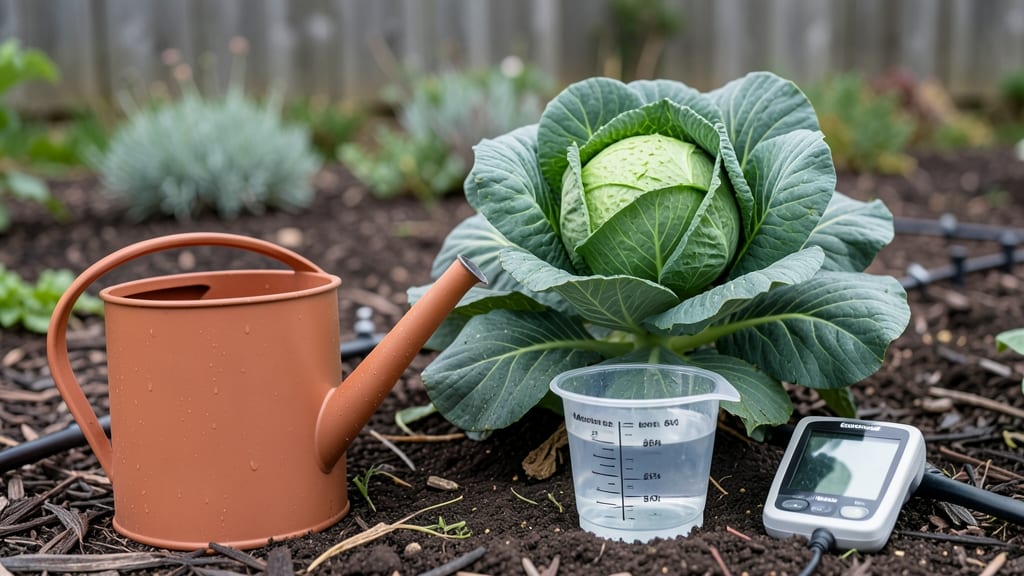
Cabbage watering requirements by growth stage: seedlings to mature heads
Cabbage thrives on consistent moisture, but its water needs change dramatically from seedling to harvest. Too little water causes bitter, tough heads, while too much leads to rot and disease.
Understanding these stage-specific rules ensures crisp, sweet cabbage every time. Let’s break down the exact watering schedule your cabbage craves at each growth phase.
At the seedling stage, cabbage roots are tiny and fragile. The key is maintaining 1-2 inches of moist soil at all times. Overwatering here risks damping-off disease, while dry soil stunts growth.
Use a fine mist spray or gentle watering can to keep the surface damp without soaking the soil. This phase lasts about 4-6 weeks, so precision is critical.
When transplanting seedlings, increase your focus to 1 inch of water daily. This helps establish strong root systems before the plant enters its rapid growth phase. Always water at the base of the plant to avoid wetting the leaves, which can attract pests.
Early morning watering gives foliage time to dry, reducing fungal risks like downy mildew.
| Growth Stage | Watering Frequency | Soil Moisture Depth | Key Tips |
|---|---|---|---|
| Seedlings (0-4 weeks) | Daily misting | 1-2 inches moist | Avoid leaf wetting |
| Transplanting (4-6 weeks) | 1 inch daily | Even moisture | Water at base |
| Head Formation (6-10 weeks) | 1.5-2 inches weekly | Consistently damp | Use drip irrigation |
| Maturity (10+ weeks) | 1-1.5 inches weekly | Deep watering | Reduce before harvest |
During head formation (6-10 weeks), your cabbage needs 1.5-2 inches of water per week. This is when the plant demands the most moisture to develop those tight, crisp heads. Use a soil moisture meter to check depth—stick it 2 inches down; if dry, it’s time to water.
In hot climates, you may need to water every 2-3 days instead of weekly.
As cabbage matures, reduce water slightly to 1-1.5 inches weekly. Overwatering now causes splitting heads or rot. Switch to drip irrigation for precision, placing emitters near the plant base.
This method delivers water directly to roots while keeping leaves dry. For container-grown cabbage, ensure pots have drainage holes and water when the top inch feels dry.
Watch for drought signs like yellowing leaves or wilting despite damp soil. These indicate root stress. On the flip side, overwatering shows as mushy stems or leaves turning brown at the edges.
Adjust your schedule based on your local climate—container plants dry faster than in-ground, while clay soil holds moisture longer than sandy soil.
In hot, dry summers, mulch with straw or wood chips to lock in moisture. This reduces evaporation and keeps roots cool. For cool, wet springs, space waterings further apart to prevent fungal growth. Always prioritize morning watering to let foliage dry before evening dew settles.
One common mistake is watering unevenly. Cabbage roots spread wide, so shallow watering encourages shallow roots. Instead, deep water once or twice weekly rather than light daily sprinkles. This builds resilience against drought. If your cabbage heads start to loosen or split, you’re likely overwatering—cut back immediately.
For organic gardeners, rainwater is ideal—it’s chlorine-free and mimics natural hydration. Collect it in barrels and use it to water cabbage during dry spells. Avoid hard tap water high in salts, which can accumulate in soil over time.
Always pair proper watering with balanced fertilizer (like 5-10-10) for best results.
Remember, consistency is key. Cabbage hates moisture fluctuations, which lead to bitter flavors and poor texture. Stick to the stage-specific rules, and you’ll harvest crisp, sweet heads every time—no guesswork required. Happy growing! 🌱
Signs your cabbage is thirsty or drowning: visual cues for perfect hydration
Cabbage plants are finicky about water—give them too little, and their leaves yellow like autumn leaves. Overdo it, and you’ll watch roots rot before your eyes. The key is consistent moisture, not soggy soil or dry cracks.
I’ve learned the hard way that wilting leaves don’t always mean thirst—sometimes they’re drowning in their own soggy mess!
First, check the soil moisture by sticking your finger 1-2 inches deep. If it feels dry, your cabbage is crying for water. But if it’s muddy, you’ve got a root rot disaster brewing. Healthy cabbage should have evenly moist soil, like a well-wrung sponge—not bone-dry or swampy.
Here’s the quick visual guide to diagnosing your cabbage’s hydration status:
For underwatered cabbage, I recommend a deep watering session in the morning—aim for 1-2 inches of moisture per week. Use a soaker hose or drip irrigation to avoid wetting the leaves, which can cause disease. A 2-inch layer of mulch (straw or shredded leaves) helps lock in moisture.
If your cabbage is overwatered, the first step is to pause watering immediately. Let the soil dry out completely before resuming.
For future plants, raise beds or add organic matter like compost to improve drainage. Yellow leaves with soft stems are a red flag—act fast to save your crop!
Pro tip: Healthy cabbage leaves should be deep green and firm, with no yellowing or wilting. The head should feel solid when gently squeezed—if it’s mushy, you’ve got water issues. Keep an eye on your plants, and you’ll grow crisp, perfect cabbage heads every time! 🌱