
Aphids
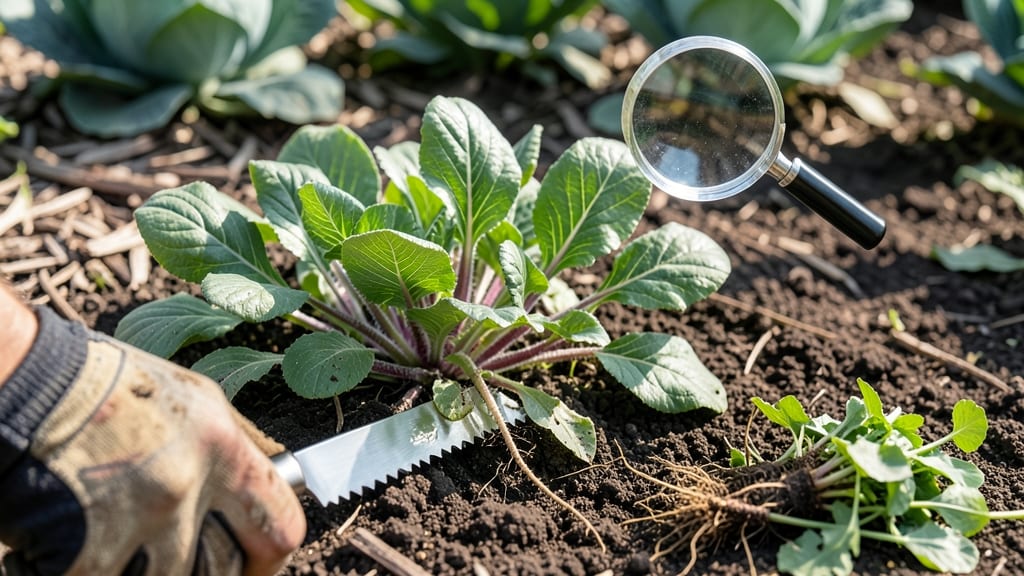
Those cabbage-looking weeds stealing your garden’s spotlight? 🌱 I’ve pulled more of them than I can count—and here’s how to tell them apart from your real crops in seconds.
The key is checking the leaves: weeds like wild mustard have jagged edges and a bitter taste, while your cabbage leaves are smooth and sweet. Pull them young, or they’ll self-seed and take over faster than you can say "harvest."
Once you spot them, yank them by the roots (gloves help—trust me) or smother them with cardboard. A weekly walk-through keeps them from becoming a full-blown problem. Prevention is easier than cleanup: mulch heavily, space plants properly, and watch for those sneaky seedlings popping up between rows.
Your cabbage will thank you!
📚 In This Guide
- What you need
- Instructions
- Tips and common mistakes
- Wrapping up and next steps
What you need
- ● Garden gloves (1 pair) – Waterproof, durable (e.g., nitrile-coated) to protect your hands from thorns and chemicals.
- ● Hand trowel or weeding fork (1) – Sturdy, 6-8" long for digging out deep roots.
- ● Pruners or sharp scissors (1 pair) – Bypass pruners for clean cuts (avoid crushing stems).
- ● Garden spray bottle (8-16 oz) – For targeted herbicide or vinegar spray (if using).
- ○ Garden twine or rope (50+ ft) – For tying plants or marking areas (optional but helpful).
- ● Heavy-duty trash bags (2-3) – For disposal of weeds and debris.
- ● Labeling tags or markers – To identify plants vs. weeds (if your garden is mixed).
- ● Organic herbicide (e.g., vinegar + salt + dish soap) – For eco-friendly removal (mix: 1 gal vinegar + 1 cup salt + 1 tbsp soap).
- ● Mulch (straw, wood chips, or cardboard) – To smother weeds long-term (3-4" layer).
- ● Knee pad or stool – For comfort during long sessions.
- ● Magnifying glass – For spotting tiny weeds or aphids (if pests are a concern).
- ● Garden hose with spray nozzle – For rinsing tools or wetting soil before pulling.
How to identify and remove cabbage-like weeds
Here’s my go-to method for spotting and eliminating weeds that mimic cabbage—no green thumb required.
🌱 Step 1: Examine Leaf Shape and Growth Pattern
Start by comparing the weed’s leaves to your cabbage plants. Cabbage leaves are broad, rounded, and form a tight rosette close to the ground. Weeds often have jagged edges, narrower leaves, or a more sprawling habit. Look for hairy stems or a musty smell—common traits in wild mustard or shepherd’s purse, two frequent cabbage imposters.
Pull a few suspect plants and check the roots. Cabbage roots grow straight down, while many weeds have fibrous or shallow root systems. If the plant bolts (sends up a flowering stalk), it’s almost certainly a weed—cabbage stays low and leafy until harvest. Snap off any flowering stems immediately to prevent seed spread.
🌿 Step 2: Test the Taste (Safely!)
Here’s the thing—some weeds look identical but taste bitter or peppery. Snip a small leaf and rub it between your fingers. Cabbage leaves release a mild, fresh cabbage aroma. Weeds often smell sharp, like garlic or onion, or taste acrid. Never eat anything unless you’re 100% certain it’s edible.
If you’re unsure, do a quick online search with a photo of the weed’s underside (leaf veins and texture are key identifiers). I always keep a small notebook by my garden tools to jot down weed characteristics—it’s saved me from pulling up perfectly good cabbage more than once.
✂️ Step 3: Remove Weeds Completely
Grab weeds by the base and pull upward with steady pressure. If the root breaks off, dig deeper to get the whole root—any fragment left behind will regrow. For stubborn weeds, use a hand fork to loosen the soil around them first. Don’t just cut the tops; you’ll encourage more growth.
After removal, drop weeds into a sealed bag or compost pile (if your compost gets hot enough to kill seeds). I’ve found that even small pieces of broken roots can sprout new plants within weeks. Water the area thoroughly after weeding to help your cabbage recover from the disturbance.
💧 Step 4: Prevent Future Weeds
Spread a 2-3 inch layer of mulch around your cabbage plants to block sunlight from weed seeds. Organic mulch like straw or shredded leaves also improves soil as it breaks down. I like to refresh the mulch every 4-6 weeks to maintain the weed-blocking barrier.
For persistent weeds, try pre-emergent fabric (available at garden centers) under your mulch. It’s reusable and keeps weeds at bay for months. Just remember to cut holes for your cabbage plants when you install it.
Tips & tricks for perfect weed identification and removal
Real talk: I've pulled up perfectly good cabbage plants thinking they were weeds—don't make my mistake. Here's how to nail weed identification every time.
Leaf Texture and Vein Clues: Pay attention to the underside of leaves in Step 1. Cabbage leaves have smooth, waxy undersides, while weeds often have visible hairy growth or prominent veins. Flip the leaf over—if you see fuzzy stems or a rough texture, it's a weed. I keep a small magnifying glass in my gardening toolkit just for this purpose.
Root System Inspection: In Step 3, when you're pulling weeds, focus on the root structure. Cabbage roots are thick and taproot-like, while most weeds have thin, fibrous roots. If you're pulling and the root snaps easily, you're likely dealing with a weed. I've found that using a hand fork to loosen stubborn roots makes this inspection easier and prevents breakage.
Timing for Mulch Refresh: The 4-6 week mulch refresh in Step 4 is critical for long-term weed control. Mark your calendar or set a phone reminder—weeds can sprout quickly if you miss this window. I like to refresh mulch right after a rainstorm when the soil is moist and easier to work with. This timing also helps maintain soil moisture for your cabbage plants.
Pro Tips for Cabbage Looking Weeds
- Real talk: I've pulled up perfectly good cabbage plants thinking they were weeds—don't make my mistake.
- Leaf Texture and Vein Clues: Pay attention to the underside of leaves in Step 1.
- Root System Inspection: In Step 3, when you're pulling weeds, focus on the root structure.
Frequently asked questions
Got questions about those pesky cabbage-looking weeds? You're not alone!
Here are some of the most common queries—and their answers—to help you tackle these intruders like a pro.
What do cabbage-looking weeds actually look like?
These weeds often resemble young cabbage or broccoli plants, with puffed, ruffled leaves and a compact, bushy growth pattern. Look for thick, waxy leaves and a mustard-like scent when crushed. Common culprits include wild mustard and shepherd’s purse, which thrive in garden beds and vegetable patches.
When is the best time to remove these weeds?
Act early—before they seed or spread! Pull them when they’re young (3–6 inches tall) to avoid deep root systems. Spring and early summer are ideal, but year-round vigilance prevents regrowth. Pro tip: Check soil weekly—weeds grow fast!
Can I use vinegar or other natural methods to kill them?
Yes! A 3% acetic acid vinegar solution (1:1 with water) works for young weeds—just spray on a sunny day to avoid damaging nearby plants. For stubborn roots, boiling water or corn gluten meal (pre-emergent) can help. Warning: Vinegar may harm desirable plants, so target weeds carefully.
Will these weeds come back if I just pull them?
Possibly! Some weeds (like wild mustard) have deep taproots or self-seed aggressively. To prevent regrowth:
- Pull entire roots (use a fork for stubborn ones).
- Mulch the area with cardboard or straw to block sunlight.
- Reapply pre-emergent herbicides in spring if needed.
Are there any edible alternatives to these weeds?
Some "weeds" are edible and even delicious:
- Wild mustard (young leaves): Peppery, like arugula—great in salads.
- Shepherd’s purse (cooked): Mild, spinach-like flavor (use sparingly).
- Dandelion greens: Nutrient-packed (bitter taste).
What if I keep finding new weeds in the same spot?
That spot might have fertile soil or hidden seeds. Try these fixes:
Issue
Solution
Compacted soil
Loosen soil with a garden fork and add compost.
Self-seeding weeds
Apply corn gluten meal (natural pre-emergent).
Shady areas
Plant competitive ground covers (e.g., clover).
Wrapping up and next steps
Spotting and tackling cabbage-looking weeds doesn’t have to be a daunting task—you’ve got the tools and knowledge to reclaim your garden! 🌱 By identifying them early, using the right methods (like manual removal or natural herbicides), and preventing regrowth, you’re well on your way to a healthier, weed-free space.
Remember, consistency is key—check your garden regularly to catch any sneaky intruders before they take over.
Ready to take action? Grab your gloves and start today! Your garden will thank you with lush, thriving plants and fewer unwanted guests. 🌿