
How To
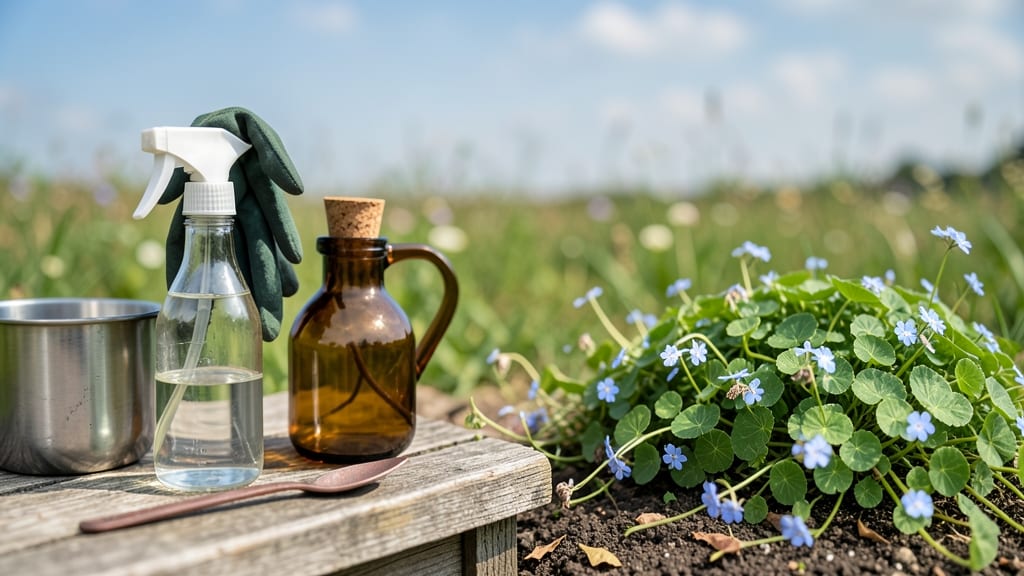
This home weed killer vinegar trick kills weeds in 24 hours—no digging, no chemicals, just a simple spray. 🌱 I’ve used this method for years to clear driveways and garden edges without harming my soil or the plants I actually want to keep. The secret lies in the mix: one gallon of white vinegar, a tablespoon of dish soap (to help it stick), and a splash of salt for extra oomph. Spray it on sunny days when weeds are actively growing—they’ll crisp up before your eyes. Just avoid spraying desirable plants, as vinegar doesn’t discriminate. You’ll see results fast, but it’s not a one-and-done solution. Reapply every 3-5 days for stubborn weeds, and repeat as needed. The downside? Vinegar lowers soil pH temporarily, so don’t use it near vegetables or flowers you’re growing. Perfect for sidewalks, gravel paths, and areas where you never want plants to grow again. Here’s how to do it right the first time!
📚 In This Guide
- What you need
- Instructions
- Tips and common mistakes
- Wrapping up and next steps
What you need
- ● White vinegar (5% to 20% acetic acid) – 1 gallon (3.8 liters). The higher the acetic acid percentage, the stronger the weed-killing power! 💪
- ● Dish soap (liquid, unscented) – 1-2 tablespoons. Acts as a surfactant to help the vinegar stick to weeds.
- ● Spray bottle or garden sprayer – At least 1-gallon capacity (or a reusable spray bottle for smaller areas). Choose one with a fine mist nozzle for even coverage.
- ○ Water (optional but recommended) – 1-2 cups. Dilutes the vinegar slightly for safer handling (especially if using higher concentrations).
- ● Protective gear: Gloves (nitrile or rubber)
- ● Eye protection (safety goggles)
- ● Long sleeves and pants (to avoid skin irritation)
- ● Markers or flags – To label treated areas and avoid accidentally spraying desired plants. 🌱
- ● Garden hose with a spray nozzle – For rinsing or diluting vinegar on hard surfaces.
- ● Plastic sheeting or cardboard – To shield nearby plants, mulch, or soil from overspray.
- ● Measuring cups and spoons – For precise vinegar and soap ratios.
- ● Spray shield or cardboard cutouts – To protect plant leaves if targeting weeds at the base.
- ● Sunny, dry day – Ideal for applying the spray (avoid windy or rainy conditions!). ☀️
Step-by-step instructions for making homemade vinegar weed killer
Here's the simple, effective method I use to eliminate weeds without harsh chemicals.
🌱 Step 1: Gather Your Supplies
You'll need white vinegar (the higher the acidity, the better—look for 5-10% acetic acid), a spray bottle (at least 16 ounces for good coverage), and a measuring cup. I like to add 1 tablespoon of dish soap to help the solution cling to weed leaves. Avoid using any other vinegars—they won't work as effectively.
Fill your spray bottle with 2 cups of white vinegar and add the dish soap. Shake gently to mix—don't overdo it or you'll create suds. This solution is ready to use immediately, but I always wait until late afternoon to apply it. The heat of the day helps the vinegar work faster, but spraying in direct sunlight can burn nearby plants.
💧 Step 2: Apply Directly to Weeds
Focus only on the weeds—vinegar will kill anything it touches, including grass and flowers. I like to use a pencil or stick to mark the edges of my target weeds so I don't accidentally spray my lawn or garden plants. Spray until the leaves are completely saturated, including the undersides where the roots connect.
Watch for immediate wilting—this is your signal the vinegar is working. For tough weeds, you might need to reapply after 24 hours. I've found that broadleaf weeds (like dandelions and clover) respond fastest, while grassy weeds (like crabgrass) may take 2-3 treatments. Always spray on a dry, wind-free day so the solution stays where you put it.
☀️ Step 3: Monitor and Reapply as Needed
Check the treated area after 24 hours. You'll see the weeds turning brown and crispy at the edges—this is the vinegar breaking down their cell walls. For stubborn weeds, apply a second round of spray 3-5 days later. The key is patience—some deep-rooted weeds may take up to 2 weeks to fully die back.
Once the weeds are completely brown and dry, pull them out by the roots to prevent regrowth. I like to use a hand weeder or gloved hands to dig them up—this ensures you remove the entire plant, including the root system. Avoid tilling the soil afterward, as this can spread weed seeds.
✂️ Step 4: Prevent Future Weed Growth
To keep weeds from returning, focus on healthy soil and dense plant coverage. I spread 2-3 inches of mulch (like wood chips or straw) around my garden beds—this blocks sunlight and makes it harder for weed seeds to sprout. Water deeply and regularly to encourage strong plant growth, which naturally crowds out weeds.
For areas with persistent weeds, try boiling water as a follow-up treatment—it kills any remaining weed seeds in the soil. I've found that consistent maintenance (like weekly checks and quick removal of new sprouts) keeps my garden weed-free without relying on chemicals. The more you stay on top of it, the easier it gets!
Tips & tricks for effective vinegar weed control
Here's what I've learned after years of battling weeds the natural way—these details make all the difference.
Acidity Matters: The higher the acetic acid percentage in your white vinegar, the faster it works. I always grab the 10% acidity version from the grocery store—it's worth the extra cost. The stronger concentration means you'll see results quicker, especially on those stubborn broadleaf weeds like dandelions. If you're using 5% vinegar, you might need to reapply more frequently.
Timing Secret: That 24-hour wait between applications is crucial, especially for tough weeds. After your first spray, give the vinegar time to penetrate the plant's cell walls. I've found that applying in the late afternoon (as mentioned) gives the vinegar that extra boost from the day's warmth. But here's the thing—if you're dealing with grassy weeds like crabgrass, don't expect miracles in just one treatment. Those might need that 2-3 treatment approach mentioned in the instructions.
Precision Application: I can't stress enough how important it is to focus only on the weeds. Vinegar is indiscriminate—it'll kill anything it touches. I use an old toothbrush to carefully paint the solution onto the weeds' leaves, especially the undersides where the roots connect. This targeted approach prevents accidental damage to your lawn or garden plants. For large areas, consider using a spray shield to protect nearby vegetation.
Follow-Up Strategy: When you see those weeds turning brown after 24 hours, don't assume they're completely dead. The real work happens when you pull them out by the roots. I've learned the hard way that leaving even a small root fragment behind means those weeds will regrow. Use a hand weeder or gloved hands to dig them up completely—it's the only way to prevent regrowth and keep your garden looking pristine.
Pro Tips for Home Weed Killer Vinegar
- Here's what I've learned after years of battling weeds the natural way—these details make all the difference.
- Acidity Matters: The higher the acetic acid percentage in your white vinegar, the faster it works.
- Timing Secret: That 24-hour wait between applications is crucial, especially for tough weeds.
Frequently asked questions
Got questions about using vinegar as a home weed killer? You’re not alone! Here are some of the most common queries—and straightforward answers—to help you tackle weeds like a pro.
How long does it take for vinegar to kill weeds?
Vinegar typically kills weeds within 24 to 72 hours after application, depending on the weed type, vinegar strength, and weather conditions. For best results, apply on a sunny day (weeds absorb more) and reapply every 3–5 days for stubborn weeds. Patience is key—dead weeds may take a week or two to fully brown and crumble.
Can I use regular vinegar, or do I need a special kind?
You’ll want white vinegar (5% acetic acid) for effective weed killing—higher concentrations (like household vinegar) work better than apple cider or balsamic. Avoid vinegar with additives (like "fancy" vinegars), as they dilute the acidity. For tough weeds, mix with 1 tbsp dish soap to help the vinegar stick.
When is the best time of day to spray vinegar?
The ideal time is early morning or late afternoon when temperatures are 60–85°F (15–30°C). Avoid spraying at peak sun (10 AM–4 PM), as the vinegar can evaporate too quickly or harm nearby plants. If you must spray midday, cover desired plants with plastic or cardboard to protect them.
Will vinegar kill my grass or garden plants?
Yes, vinegar is a non-selective herbicide, meaning it kills all green plants it touches. To protect your garden:
- Spot-treat weeds carefully with a dropper or spray bottle.
- Use a shield (cardboard or plastic) to cover nearby plants.
- Avoid windy days—vinegar can drift.
What if the weeds come back after vinegar treatment?
Weeds may regrow if:
- You didn’t reapply every 3–5 days for 2–3 weeks.
- The vinegar didn’t fully cover the roots (especially for deep-rooted weeds like dandelions).
- Weeds grew back from seeds (vinegar only kills existing plants).
Pro Tip:
For extra potency, mix 1 gallon white vinegar + 1 cup salt + 1 tbsp dish soap. This combo dries out weeds faster and prevents regrowth. Just test on a small area first—salt can harm soil over time!
Wrapping up and next steps
Natural weed control with vinegar is a game-changer for eco-conscious gardeners! 🌱 You’ve learned how simple, cost-effective, and fast-acting this solution can be—no harsh chemicals needed. Whether you’re tackling stubborn weeds in your lawn, driveway, or garden beds, vinegar delivers results in just 24 hours with the right approach.
Ready to reclaim your space? Grab your spray bottle, mix up that vinegar solution, and get started today! For even better results, consider testing a small area first or pairing vinegar with other natural helpers like salt or dish soap. Happy weeding—your green thumb will thank you! 🌿✨