
Picking
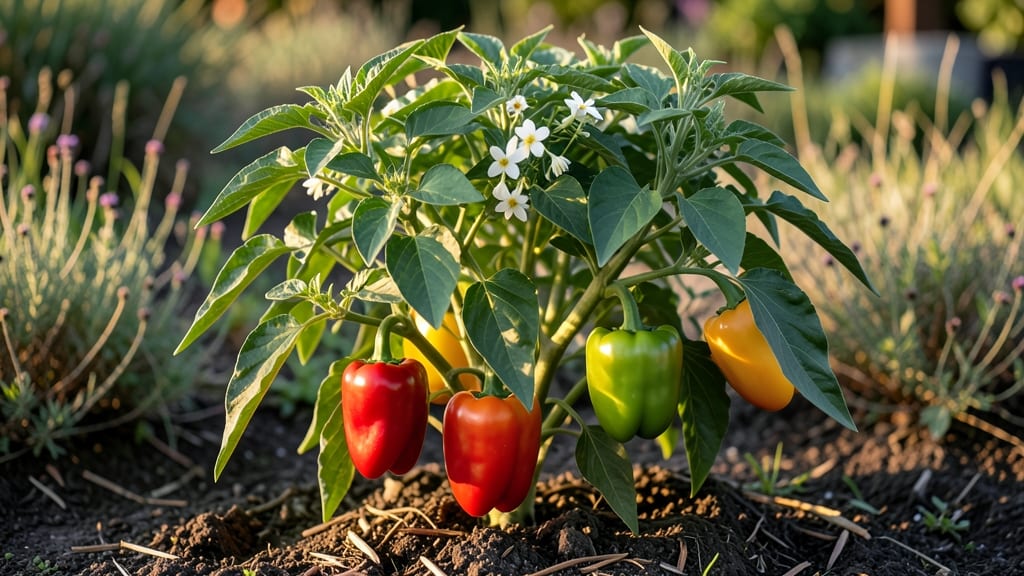
That spiky, pepper-like weed stealing your garden’s spotlight? 🌿 Solanum rostratum—aka goats weed—can ruin your pepper patch if you don’t act fast. I’ve spent years battling this aggressive invader, and these 3 strategic cuts will stop it before it spreads like wildfire.
First, identify it correctly: goats weed has thorns, yellow flowers, and grows upright like a pepper plant—but it’s toxic and spreads seeds everywhere. Pull young plants by hand (wear gloves!), then slash mature stems at the base to prevent regrowth.
For stubborn patches, mulch heavily with cardboard or landscape fabric to block sunlight.
Your peppers will thank you—no more competition for nutrients or space. The key is consistency: check weekly, especially after rain when seeds germinate fastest. Within a month, your garden beds will look as neat as a well-edged lawn, and your peppers can finally thrive without this sneaky interloper.
Pro tip: bag and dispose of pulled weeds immediately—never compost them. One missed seed can mean months of cleanup. Now grab those pruners and reclaim your garden!
📚 In This Guide
- What you need
- Instructions
- Tips and common mistakes
- Wrapping up and next steps
What you need
- ● Goats Weed Pepper (Physalis peruviana) plants or seeds – 3–5 plants (or 10–15 seeds) per section, depending on desired coverage.
- ● Well-draining soil – Mix in compost or aged manure for nutrient-rich growth.
- ● Organic mulch (straw or wood chips) – 2–3 inches to retain moisture and suppress weeds.
- ● Pruning shears or sharp scissors – For clean, strategic cuts (sterilize blades with rubbing alcohol!).
- ● Gloves – Protect your hands from prickly stems (though goats weed pepper is thorn-free, some varieties may have mild irritation).
- ● Watering can or hose with a gentle nozzle – Keep soil consistently moist (not soggy!) for the first 2 weeks.
- ○ Stakes or small trellis (optional) – If growing vertically, use lightweight supports for vining varieties.
- ● Fertilizer (balanced 10-10-10 or compost tea) – Apply every 4–6 weeks for robust growth.
- ● Pest control (neem oil or diatomaceous earth) – Preemptive measure against aphids or spider mites.
- ● Full sun to partial shade (6+ hours of sunlight daily for best results).
- ● Spaced 12–18 inches apart in rows (or clusters for a dense hedge).
- ● Patience! Goats weed pepper grows quickly but thrives with consistent care.
How to create a thorn-free goats weed pepper privacy screen
This fast-growing, low-maintenance hedge thrives in warm climates and delivers dense privacy with minimal pruning.
🌱 Step 1: Select and Prepare Planting Locations
Choose a site with full sun exposure (6+ hours daily) and well-draining soil. Goats weed pepper tolerates poor soil but grows fastest in slightly acidic, loamy conditions. Mark your planting line with stakes spaced 3-4 feet apart—this spacing allows mature plants to fill in completely without gaps.
Dig holes twice as wide as the root ball but only as deep as the container. Loosen the roots gently if they're circling in the pot. Here's the thing—amend heavy clay soil with 2 inches of compost mixed into the bottom of each hole to improve drainage and root establishment.
☀️ Step 2: Plant and Establish Initial Growth
Place each plant in its hole, ensuring the top of the root ball sits 1 inch below soil level. This slight burial prevents stem rot while encouraging strong root growth. Backfill with native soil, tamping gently to remove air pockets but not compacting excessively.
Water immediately after planting with 1 gallon per plant to settle the soil. You'll see new growth within 2-3 weeks if conditions are right—look for dark green, glossy leaves as your first sign of healthy establishment. Avoid overwatering now; soggy soil invites root rot.
✂️ Step 4: First Strategic Pruning for Density
Wait until plants reach 3-4 feet tall before your first cut. Using sharp bypass pruners, trim the top 1/3 of each plant at a 45-degree angle just above a leaf node. This encourages bushier growth below the cut. Here's where it gets fun—you'll see new side shoots emerge within 2-3 weeks.
Remove any leggy or crossing branches that compete for sunlight. Thin out crowded stems to improve airflow, which prevents fungal diseases. Real talk: if you skip this step, your hedge will grow tall but sparse with weak branches.
⏰ Step 5: Maintenance Pruning for Year-Round Privacy
Trim plants twice yearly: once in late spring and again in early fall. Each time, cut back 1/3 of the new growth to maintain shape and density. You'll notice the hedge fills in faster after each pruning—this is how you get that lush, impenetrable look.
Shape the screen by making horizontal cuts along the top edge first, then vertical cuts along the sides. Use a string line for straight edges. For a natural look, leave some irregularity at the bottom. Water deeply after pruning to help plants recover quickly.
Tips & tricks for perfect goats weed pepper privacy screens
Creating a lush, thorn-free privacy screen takes patience and precision—but these insider tricks will help you skip the common pitfalls and achieve that professional look faster.
Soil Preparation Secret: If your soil is particularly heavy or compacted, mix in an extra 1 inch of compost beyond the initial 2 inches recommended in Step 1. Goats weed pepper roots thrive when they can spread easily, and this gives them the best start. I've seen plants in amended soil reach 3-4 feet in half the time compared to unamended clay. The key is working that compost into the bottom of the hole where roots will first establish.
Planting Depth Matters: That 1-inch burial in Step 2 isn't just about preventing stem rot—it's also about creating a stable base. If your plants wobble after watering, gently firm the soil around the base without compacting it. Think of it like tucking in a blanket: just enough to hold them steady, not so much that you smother new root growth. This small detail makes all the difference when your plants reach 3-4 feet and need to stand tall.
Watering Wisdom: The 1 gallon per plant recommendation in Step 2 is perfect for initial watering, but here's the thing: after that first watering, let the soil dry slightly between waterings. Goats weed pepper plants are drought-tolerant once established, and overwatering in the early stages can lead to root rot. I've learned this the hard way—after losing three plants to soggy soil, I now check moisture by sticking my finger 2 inches deep. If it's dry, it's time to water.
Pruning Precision: When you're ready for that first strategic pruning in Step 4, make sure your bypass pruners are razor-sharp. Dull blades crush stems instead of making clean cuts, which can invite disease. Cut at that 45-degree angle just above a leaf node—this isn't just about looks, it's about directing the plant's energy to grow bushier. I mark my pruning line with a piece of string tied between stakes before I start; it keeps my cuts straight and professional-looking.
Pro Tips for Goats Weed Pepper
- Creating a lush, thorn-free privacy screen takes patience and precision—but these insider tricks will help you skip the common pitfalls and achieve that professional look faster.
- Soil Preparation Secret: If your soil is particularly heavy or compacted, mix in an extra 1 inch of compost beyond the initial 2 inches recommended in Step 1.
- Planting Depth Matters: That 1-inch burial in Step 2 isn't just about preventing stem rot—it's also about creating a stable base.
Frequently asked questions
Got questions about goats weed pepper (also known as Capparis spinosa) as a thorn-free privacy screen?
Here are some of the most common queries—plus quick, practical answers to help you get started!
What’s the best time of year to plant goats weed pepper for a fast-growing privacy hedge?
Plant in early spring (after the last frost) or late summer for the fastest growth. This gives roots time to establish before winter, so your hedge can shoot up 3–5 feet per year with minimal effort. Avoid planting in extreme heat or cold—roots need consistent moisture to thrive!
How often should I prune goats weed pepper to keep it dense and thorn-free?
Prune twice a year: once in early spring (to shape and encourage new growth) and again in late summer (to tidy up before winter). Use clean, sharp shears and cut just above a leaf node. Pro tip: If you want a bushier hedge, trim the outer branches first—this signals the plant to fill in!
Why isn’t my goats weed pepper growing as fast as expected?
Slow growth usually means one of three things: poor soil (amend with compost), underwatering (keep soil moist but not soggy), or lack of sunlight (plant in full sun for best results). If your pepper’s struggling, test the soil pH—ideal range is 6.0–7.5. A slow start is normal, but stagnation? Check for pests like aphids or root rot!
Can I use goats weed pepper as a living fence for livestock (like goats or chickens)?
Unlike barbed wire, goats weed pepper is thorn-free and non-toxic to livestock—making it a safe, natural barrier. Just ensure plants are spaced 3–4 feet apart for a tight hedge. Bonus: The pepper’s leaves are edible (mild, tangy flavor) and can double as a forage crop for goats!
What are some fast-growing alternatives if goats weed pepper isn’t available in my area?
If you’re in a hurry, try these thorn-free, dense-growing options:
- Russian olive (Elaeagnus angustifolia) – Drought-tolerant, grows 3–5 ft/year.
- Privet (Ligustrum) – Fast, evergreen, but needs regular pruning.
- Morning glory vine (Ipomoea) – Annual but grows 6–10 ft in one season (great for trellises).
- Bamboo (clumping varieties) – Ultra-fast but invasive; contain roots with barriers.
For a perennial solution, goats weed pepper still wins for low-maintenance, long-term privacy!
Wrapping up and next steps
Transforming your outdoor space into a thorn-free, low-maintenance privacy screen just got easier with goats weed pepper—a hardy, fast-growing plant that thrives with minimal effort! 🌿 Whether you're shielding your yard from prying eyes or creating a cozy garden retreat, these three strategic cuts ensure a lush, natural barrier without the hassle of invasive roots or messy cleanup.
Ready to take action? Grab your tools, mark your space, and start cutting! With just a little patience, you’ll enjoy a vibrant, private oasis in no time. Happy planting! 🌱✨