
Planting
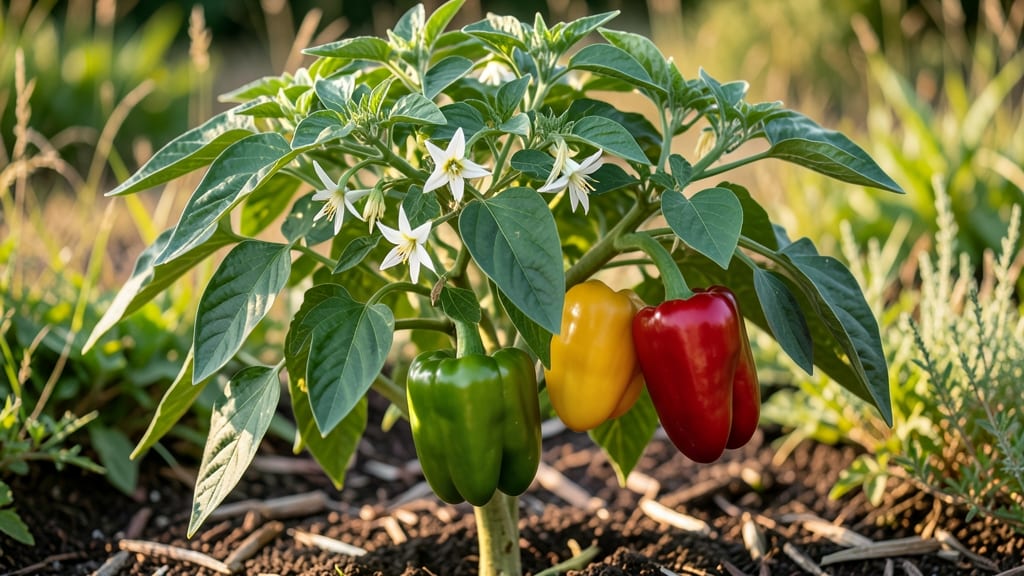
When you hear "goat weed," don’t picture a wildflower—this is about the fragrant, edible pepper plant that doubles as a pollinator magnet. 🌿 I’ve grown this pepper variety for years, and it’s the secret weapon in my garden: fragrant leaves that repel pests and produce mild, versatile peppers.
The name’s confusing (thanks to a similar-looking ornamental), but this pepper thrives as a ground cover and a harvestable crop.
The trick is treating it like a pepper and a living mulch. Start with well-draining soil rich in compost—these plants hate soggy roots but love nutrients. Give them 6-8 hours of sun daily and water deeply once a week (less if rain does the work).
Space plants 18-24 inches apart to let them sprawl without competing for light. Prune leggy growth in early summer to keep the plant bushy and productive.
By midsummer, you’ll have a fragrant, pest-resistant carpet of greenery and peppers ripening in shades of red, yellow, or orange. The leaves release a citrusy scent when crushed—perfect for deterring aphids and deer.
Harvest peppers when firm but slightly soft, and use the leaves fresh in pest-repellent sprays or as a fragrant herb. The best part? This pepper keeps producing until frost.
Works in containers too—just use a 5-gallon pot for one plant. If pests strike, blast leaves with water or introduce ladybugs. And no, it’s not the same as Ageratum (the blue "goat weed" flower)—this is all pepper, all delicious. Ready to grow yours?
📚 In This Guide
- What you need
- Instructions
- Tips and common mistakes
- Wrapping up and next steps
What you need
- ● Goat weed pepper seeds or cuttings: 5–10 plants (seeds may take longer to establish; cuttings grow faster).
- ● Well-draining potting mix: 1–2 bags (look for a blend labeled for herbs or succulents—avoid heavy clay soil).
- ● Containers or garden bed: Containers: 6–12-inch pots with drainage holes (3–5 plants per container).
- ● Garden bed: Full sun to partial shade spot (6+ hours of sunlight daily).
- ● Organic compost or fertilizer: 1–2 cups (balanced 10-10-10 or slow-release granular fertilizer).
- ● Mulch: Straw or shredded leaves (1–2 inches thick to retain moisture).
- ● Hand trowel or small shovel (for planting).
- ● Watering can or hose with a gentle spray nozzle (goat weed prefers consistent moisture but hates soggy roots).
- ● Pruning shears (to shape plants and encourage bushiness).
- ○ Pollinator-friendly companions: Optional but fun! Plant nearby: Nasturtiums (🌼 edible & pest-repellent)
- ● Basil (🌿 complements flavor)
- ● Marigolds (🌻 deters pests)
- ● Pest control: Neem oil spray (🛡️ organic option for aphids or spider mites).
How to grow and maintain goat weed pepper as a fragrant pollinator garden staple
This aromatic, low-growing perennial thrives where other plants struggle—here's how to cultivate it as both a fragrant ground cover and a pollinator magnet.
🌱 Step 1: Select the Perfect Planting Location and Prepare the Soil
Goat weed pepper (Talinum paniculatum) adores hot, dry conditions and poor, rocky soil—the same places most gardeners avoid. Choose a full sun spot (at least 6 hours daily) where other plants have failed. This plant tolerates sandy, gravelly, or even slightly alkaline soil, making it ideal for tough landscapes.
Before planting, loosen the top 6 inches of soil to improve drainage. Amend only if your soil is extremely compacted—this plant prefers lean conditions. A light sprinkle of compost (no more than 10% of the soil mix) encourages growth without smothering it. Test your soil's pH—goat weed thrives in 6.1-7.5, but won’t wilt if slightly alkaline.
🌿 Step 2: Plant Seeds or Transplants at the Right Time and Depth
Sow seeds indoors 8-10 weeks before your last frost or directly outdoors after all danger of frost (this plant hates cold). Plant seeds ¼ inch deep—they need light to germinate, so don’t bury them too deeply. Space seeds 12 inches apart in rows 18 inches apart for a lush ground cover effect.
For transplants, set them 18-24 inches apart to allow for spreading. Water gently after planting to settle the soil, but avoid overwatering—this plant’s roots need air. You’ll see first true leaves in 2-3 weeks if conditions are right. If germination takes longer, check for consistent moisture and warmth (ideal soil temp: 70-80°F).
☀️ Step 3: Provide Minimal Care Once Established
Goat weed pepper is drought-tolerant once mature, so water deeply once a week during the first growing season. After that, water only when the top 2 inches of soil feel dry. Overwatering causes root rot—this plant mimics its natural desert habitat by thriving on neglect.
Fertilize lightly in spring with a balanced, slow-release fertilizer (5-5-5 ratio). Too much nitrogen leads to leggy growth and fewer flowers. Deadhead spent blooms to encourage continuous flowering from summer through fall. The plant spreads via self-seeding and underground runners, so it’s nearly impossible to eradicate once established—consider this a bonus for pollinators!
✂️ Step 4: Prune and Harvest for Fragrance and Edible Leaves
Prune back one-third of the plant in early spring to encourage bushier growth. Cut just above a leaf node to stimulate branching. Harvest leaves anytime for a peppery, citrusy flavor—young leaves are most tender. Pinch back flowering stems after blooms fade to redirect energy to foliage growth.
Here’s the thing—this plant’s fragrance peaks in the morning. Crush a few leaves to release their lemony, slightly spicy aroma, which attracts bees and butterflies. Harvest leaves in small batches to maintain the plant’s vigor. Avoid harvesting more than one-third of the plant at a time, or it may struggle to recover.
🪴 Step 5: Overwinter and Protect from Frost
Goat weed pepper is tender perennial in most climates, meaning it dies back in frost but returns from roots if protected. In USDA zones 8-11, mulch heavily with 2-3 inches of straw or leaves before the first frost. In colder zones, dig up tubers in fall, store in sandy soil in a cool, dry place, and replant in spring.
If you live in a frost-prone area, treat it as an annual. The plant’s self-seeding habit means it often returns on its own the following year. Even if it dies back, its deep roots improve soil structure for future plantings. In spring, new shoots emerge within 2-3 weeks of warm soil temperatures.
Tips & tricks for perfect goat weed pepper plant growth
These practical insights will help you cultivate a thriving, fragrant goat weed pepper that attracts pollinators and repels pests naturally.
Location and Soil Intelligence: Goat weed pepper thrives in the harshest conditions—this is its superpower. If your soil is heavy clay, mix in 30% coarse sand to improve drainage before planting. The plant's natural habitat mimics rocky, nutrient-poor soils, so resist the urge to over-amend. Even in slightly alkaline conditions (7.5-8.0 pH), it won't wilt, making it perfect for areas where other plants struggle.
Germination Strategy: The ¼-inch shallow planting depth is critical—this plant needs light to germinate. Use a fine mist setting on your watering can to keep the soil surface consistently moist without compacting it. Place your seed tray on a heat mat set to 75°F to speed up germination from 2-3 weeks to just 10-14 days. Watch for the first true leaves to appear before transplanting.
Watering Wisdom: Once established, this drought-tolerant plant becomes nearly maintenance-free. The key is the top 2-inch soil check—stick your finger in daily until you feel the texture change. In extreme heat (above 90°F), water every 4-5 days instead of weekly. Overwatering is the #1 killer—this plant's roots need oxygen more than moisture.
Harvesting Technique: The morning fragrance peak is real—harvest leaves between 8-10 AM when essential oils are most concentrated. Use clean, sharp scissors to snip just above the leaf node. For continuous production, never take more than one-third of the plant at once. The plant's citrusy aroma actually deters pests like aphids, so harvesting encourages healthier growth.
Pro Tips for Goat Weed Pepper Plant
- These practical insights will help you cultivate a thriving, fragrant goat weed pepper that attracts pollinators and repels pests naturally.
- Location and Soil Intelligence: Goat weed pepper thrives in the harshest conditions—this is its superpower.
- Germination Strategy: The ¼-inch shallow planting depth is critical—this plant needs light to germinate.
Frequently asked questions
Is goat weed pepper easy to grow for beginners?
Yes! This hardy annual thrives in poor soil and tolerates drought once established. It self-seeds readily, making it a low-maintenance choice for pollinator gardens. Just ensure full sun to partial shade and well-draining soil—no fuss required!
How long does it take for goat weed pepper to germinate and mature?
Germination typically occurs in 7–14 days after sowing, especially in warm soil (60–70°F). The plant matures in 4–6 weeks, producing fragrant foliage and tiny peppery flowers. For continuous blooms, succession plant every 2–3 weeks.
Will goat weed pepper attract beneficial insects like bees and butterflies?
Its delicate white flowers are a magnet for pollinators, including bees, hoverflies, and beneficial wasps. The plant also hosts Pieris butterfly caterpillars, making it a must-have for organic gardens and wildlife habitats.
Can I eat goat weed pepper, and how do I use it?
Yes! Young leaves and flowers have a mild, peppery flavor (like watercress) and are edible raw in salads or cooked like spinach. Avoid overharvesting to preserve its pollinator benefits. Pro tip: Freeze leaves for later use!
Is goat weed pepper invasive in my region?
While it self-seeds aggressively, it’s not considered invasive in most U.S. zones (3–10). However, monitor spread in small gardens. If unwanted, pull seedlings early or deadhead spent blooms. It’s a great option for low-maintenance ground cover!
What are good alternatives if goat weed pepper doesn’t thrive?
Try these pollinator-friendly edible ground covers:
- Clover (trifolium) – Nitrogen-fixing & bee-loved
- Alfalfa – Drought-tolerant with deep roots
- Chamomile – Edible, fragrant, and pest-repellent
- Creeping thyme – Hardy and aromatic
Wrapping up and next steps
Growing goat weed pepper plant is a fantastic way to add a fragrant, edible ground cover to your pollinator garden while supporting local ecosystems. This versatile plant is low-maintenance, drought-tolerant, and packed with benefits—from culinary uses to attracting bees and butterflies.
Whether you're a seasoned gardener or just starting, now’s the perfect time to plant!
Ready to dive in? Start by gathering your supplies, choose a sunny spot in your garden, and watch your space transform into a thriving, fragrant haven. Happy gardening! 🌱✨