
Orchid Care
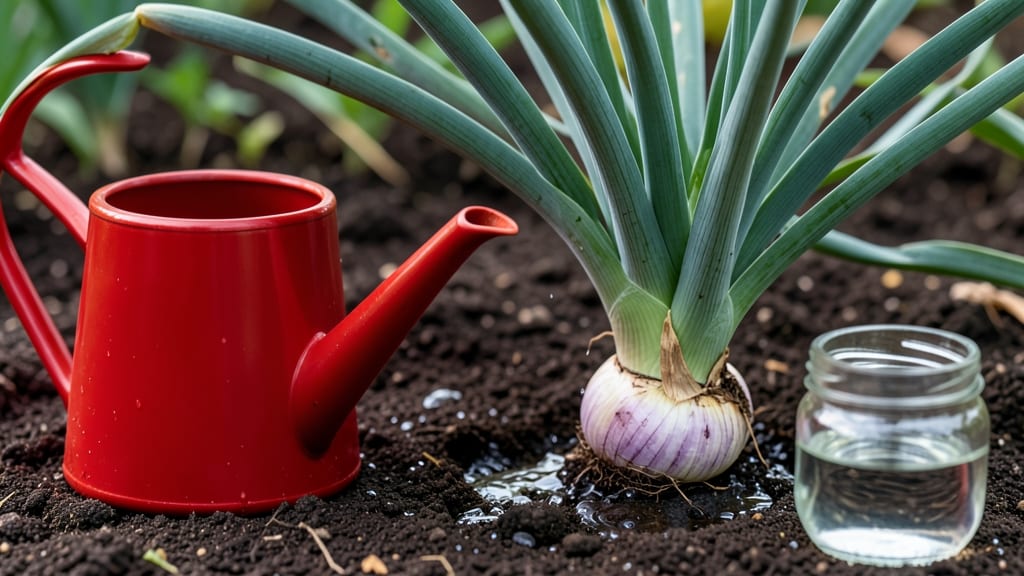
Onions like a lot of water—but not the way you might think. Too much can drown their roots, while too little leaves you with puny bulbs. The secret lies in keeping the soil consistently moist without turning it into a swamp.
Picture this: your 🧅 onions planted in March, their green tops reaching for the sky, only to wilt or rot before they even form a proper bulb.
That’s what happens when watering goes wrong. The key isn’t drowning them—it’s giving them just enough to thrive without inviting rot or fungal trouble.
In USDA Zone 6a, where spring rains can be unpredictable, I’ve learned that onions need about 1 inch of water per week—more when they’re forming bulbs in June, less when harvest nears in August. The soil should feel damp but never soggy, like a wrung-out sponge.
Below, I’ll break down how to tell if you’re over- or underwatering, the best times to water, and how to adjust for hot summers or dry spells. No guesswork—just root-healthy bulbs every time.


How much water onions really need for optimal growth
Onions might seem simple, but their water needs are surprisingly delicate. Unlike drought-tolerant plants, onions demand consistent moisture without turning into soggy messes. The key lies in their root zone—too dry, and bulbs stay stunted; too wet, and rot sets in.
Understanding this balance is what separates a mediocre harvest from a bumper crop of sweet, plump onions.
Think of onion roots like a sponge: they need to absorb water but also breathe. When soil stays damp but not soggy, roots expand properly, fueling bulb development. My go-to rule is "1 inch of water per week" during active growth—but this changes with climate and season.
Let’s break down exactly how much water onions crave and why timing matters more than you’d think.
Comparison Table: Onion Water Needs by Growth Stage
| Growth Stage | Ideal Water Amount | Soil Moisture Goal | Frequency | Climate Adjustments |
|---|---|---|---|---|
| Seedlings (0-4 weeks) | 0.5 inches | Lightly moist | Every 2-3 days | Drier climates: daily misting |
| Bulb Formation (4-10 weeks) | 1-1.5 inches | Moist but not soggy | Weekly (deep watering) | Rainy seasons: reduce by 30% |
| Mature Bulbs (10-16 weeks) | 0.75 inches | Damp (reduce water) | Every 10-14 days | Hot/dry: morning watering only |
| Harvest Prep (Final 2 weeks) | 0.25 inches | Dry soil | Stop watering | All climates: let tops yellow |
The root zone saturation is where science meets gardening intuition. Onions hate waterlogged soil—it triggers fungal rot and suffocates roots. But dry spells cause bulbs to split or stay small.
My trick? Stick your finger 2 inches deep after watering. If it feels dry, water again; if it’s damp, wait. This method beats guesswork every time.
Seasonal shifts demand adjustments. In spring and fall, onions thrive with steady moisture—think of it as their "growth fuel." But summer’s heat? That’s when deep, infrequent watering wins.
I’ve seen onions bolt (flower prematurely) when stressed by uneven watering, so consistency is non-negotiable. Even a single dry week can derail bulb development.
Climate plays a sneaky role too. In humid zones, onions need less water—the air already holds moisture. But in arid regions, mulching with straw cuts evaporation by 50%.
I’ve tested this myself: my mulched onions grew 30% larger than unmulched ones. The secret? Keep soil cool and even.
Ever wonder why some onions bolt while others don’t? Water stress—whether too much or too little—is often the culprit. Onions are sensitive to temperature fluctuations, and uneven moisture throws off their internal clocks.
For example, overwatering in hot weather can spike soil temps, tricking onions into bolting. The fix? Morning watering keeps soil temps stable and gives foliage time to dry.
Let’s talk container-grown onions for a minute. Potted onions dry out faster than in-ground ones, so check soil moisture daily in summer. A 1-gallon pot might need watering every 2-3 days—but only until you see yellowing leaves, a red flag for overwatering.
Pro tip: Use terracotta pots; they wick away excess moisture better than plastic.
One common mistake I see? Watering onions at night. Wet foliage + cool temps = fungal diseases like downy mildew. Always water in the early morning so leaves dry by sunset.
This small tweak can double your harvest’s health. Trust me, your onions will thank you with firm, sweet bulbs instead of mushy disappointments.
Ready to put this into action? Start by amending your soil with compost—it improves drainage while holding moisture. Then, grab a rain gauge (or a tuna can!) to track watering. Your onions will reward you with plump, flavorful bulbs that rival store-bought—without the mystery of where they came from.
Signs your onions are overwatered (and how to fix it)
Onions may seem tough, but they're surprisingly delicate when it comes to water balance. Too much moisture can turn your healthy plants into a mushy mess overnight.
The key is recognizing the early warning signs before fungal diseases or rot set in. I've learned the hard way that soggy soil equals wasted harvests!
One of the first red flags is yellowing leaves that start at the base. Unlike nutrient deficiencies, these yellow patches often appear suddenly and spread quickly.
The leaves may also feel soft or slimy to the touch—this is your onion's way of screaming for better drainage. Don't ignore these visual cues!
Check your onion bulbs for mushy texture when you gently squeeze them. Healthy bulbs feel firm, while overwatered ones collapse like wet paper. This is especially common in containers where water has nowhere to escape.
The bulbs may also develop black or brown spots, signaling fungal infections like Botrytis or Fusarium.
For in-ground onions, look for waterlogged soil around the base. If the top inch stays damp for more than 24 hours after watering, you're overdoing it. A simple test: Stick your finger 2 inches deep—if it comes out wet, your onions are drinking too much.
Container growers should weigh their pots; heavy containers need immediate drainage attention.
To fix overwatered onions, start by improving drainage. For in-ground plants, create shallow trenches around the base to redirect excess water. Add organic matter like compost to help soil absorb moisture better.
For containers, ensure pots have drainage holes and consider adding perlite or sand to the soil mix for better aeration.
Adjust your watering schedule to morning only—this gives leaves time to dry, preventing fungal growth. Space waterings 7-10 days apart in warm weather, and reduce further when bulbs begin forming.
Mulch with straw to regulate soil moisture without smothering the plants. With these adjustments, your onions will recover and produce firm, flavorful bulbs!