
Pests
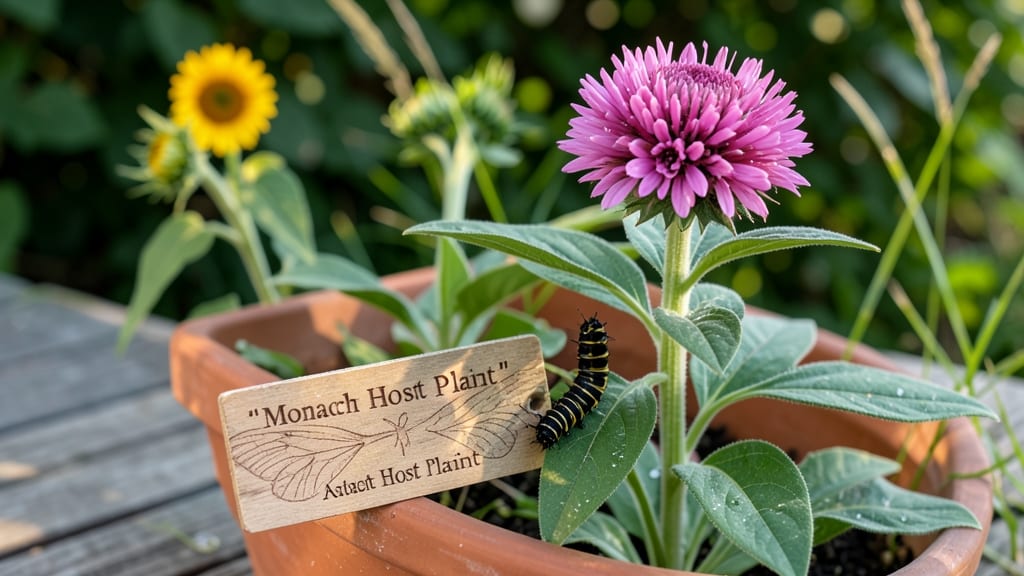
Monarch butterflies don't eat only milkweed—their caterpillars rely exclusively on it, but adult butterflies sip nectar from over 100 flower species like asters, goldenrod, and swamp milkweed to thrive across different environments.
Monarch caterpillars have a strict milkweed-only diet because the plant contains cardenolides, a toxin that makes them unpalatable to predators like birds and spiders. 🌿 This chemical relationship is so strong that monarchs have evolved to store these compounds in their bodies, even as adults, which deters predators from attacking them.
However, once they transform into butterflies, their diet expands dramatically to include a wide variety of nectar-rich flowers, allowing them to survive in gardens and meadows far beyond milkweed patches.
This dietary shift is crucial for their migration and reproduction. Adult monarchs need energy from diverse nectar sources to fuel their long journeys, while milkweed remains essential for laying eggs.
Gardeners can support monarchs by planting a mix of milkweed for caterpillars and nectar flowers like coneflowers or bee balm for adults, creating a thriving ecosystem for these iconic butterflies.
💡 In This Article
- Why Milkweed Is Essential for Monarch Caterpillars
- Best Flower Gardens to Support Monarch Adults Beyond Milkweed
Why milkweed is essential for monarch caterpillars
The monarch caterpillar's exclusive relationship with milkweed isn't just about food—it's a chemical survival strategy. Milkweed contains cardenolides, a group of cardiac glycosides that are toxic to most predators.
When monarch caterpillars consume milkweed, they sequester these compounds in their bodies, making them taste terrible to birds and other predators. 🌿 This chemical defense system is so effective that even the monarch's bright orange and black coloration acts as a warning signal, telling predators "don't eat me!"
The concentration of cardenolides in milkweed varies by species and growing conditions. For example, tropical milkweed (Asclepias curassavica) contains higher levels of these toxins than common milkweed (Asclepias syriaca), which can sometimes lead to health issues for monarchs if consumed exclusively during winter months.
The caterpillars must eat approximately 25 times their body weight in milkweed leaves to complete their growth cycle, demonstrating how critical this plant is for their development.
This evolutionary adaptation goes beyond just survival—it's a perfect example of coevolution. Milkweed plants have developed toxins to protect themselves from herbivores, while monarchs have evolved the ability to not only tolerate but utilize these toxins for their own defense.
The caterpillars even become more toxic as they grow, with later instars (growth stages) containing higher concentrations of cardenolides than earlier ones.
Interestingly, this chemical relationship persists even after metamorphosis. Adult monarchs retain some of these toxins in their wings and bodies, which helps deter predators like spiders and small birds.
This means that even when adult monarchs expand their diet to include nectar from other flowers, their connection to milkweed remains fundamental to their survival strategy throughout their entire life cycle.
For gardeners and conservationists, this means that while milkweed is essential, it's not the only plant that matters.
Creating habitats with diverse flowering plants helps support monarchs at all life stages, from the milkweed-dependent caterpillars to the nectar-feeding adults that need a variety of resources to complete their migration and reproduction cycles.
The monarch's reliance on milkweed is so strong that scientists have observed caterpillars rejecting other plants even when milkweed isn't available. This behavior highlights how specialized and finely tuned their dietary needs are, making milkweed an irreplaceable component of their ecosystem. 🌱