
Plants
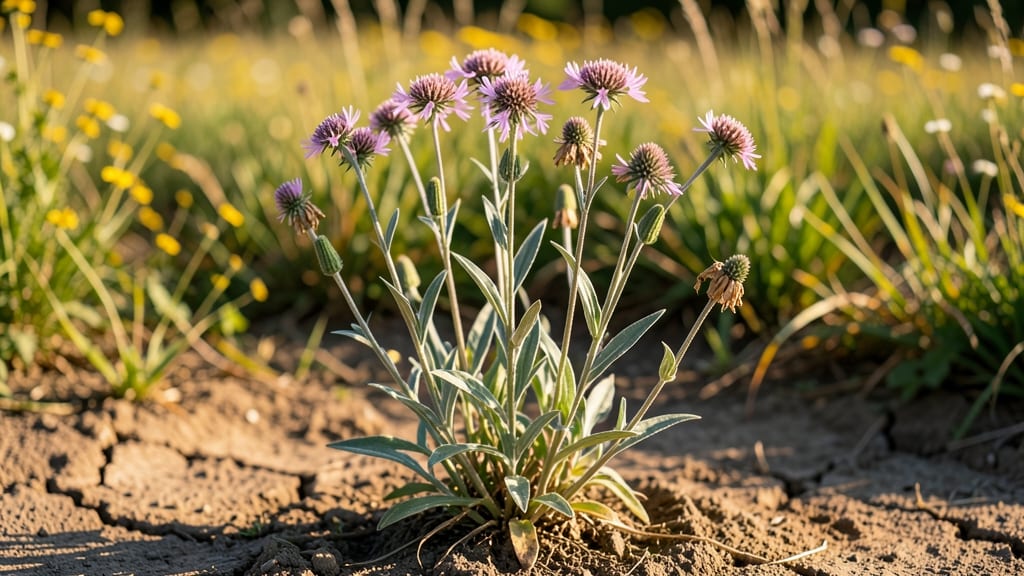
Antelope horn milkweed transforms your garden into a monarch butterfly highway. 🌿 This native beauty thrives in dry, sunny spots where most plants struggle, and its fragrant blooms attract pollinators like nothing else.
I planted mine last spring, and by summer, it became the busiest plant in my yard—covered in butterflies and hummingbirds. The secret to success is simple: well-draining soil, full sun, and minimal fuss. Unlike fussy milkweeds, this one handles drought like a pro, making it perfect for low-water gardens.
Just avoid soggy soil, and you’ll see those signature pinkish-purple flower clusters emerge by late spring. What you’ll love most is the transformation from bare stems to a towering, butterfly-covered spectacle by midsummer. The foliage stays lush, the blooms stay fragrant, and the monarchs keep coming back year after year.
Works in borders, meadows, or even containers—just give it space to spread its wings. Here’s how to grow it without the guesswork.
📚 In This Guide
- What you need
- Instructions
- Tips and common mistakes
- Wrapping up and next steps
What you need
- ● Seeds: 5–10 antelope horn milkweed seeds (organic, untreated preferred).
- ● Well-draining soil: 2–3 gallons of a mix of 60% potting soil and 40% perlite or coarse sand (for aeration).
- ● Growing containers: Small pots (4–6 inches deep) for seedlings, or
- ● A seed tray with individual cells (if starting indoors).
- ● Sunlight access: A south-facing window or grow light (12+ hours/day for seedlings).
- ● Watering can or spray bottle: With a fine mist setting for delicate seedlings.
- ○ Fertilizer (optional but recommended): Balanced liquid fertilizer (e.g., 10-10-10) or
- ● Slow-release granular fertilizer (like 5-10-5).
- ○ Gloves: Optional but helpful for handling prickly milkweed stems.
- ● Pruning shears: Sharp, sterilized shears for trimming (if needed).
- ● Outdoor space: A sunny spot (6+ hours of direct sunlight daily) for mature plants.
- ● Mulch: Organic mulch (e.g., straw or shredded leaves) to retain moisture.
- ○ Monarch-friendly companions: Optional but fun—plant nearby bee balm, coneflowers, or goldenrod to create a pollinator paradise!
Step-by-Step guide to planting antelope horn milkweed
This drought-tolerant native beauty thrives with minimal fuss—just follow these steps for healthy growth.
🌱 Step 1: Choose the Perfect Location and Prepare the Soil
Antelope horn milkweed (Asclepias asperula) loves full sun—plant it where it gets at least 6 hours of direct sunlight daily. I always pick a spot with good air circulation to prevent fungal issues. This plant tolerates poor, dry soil but grows best in well-draining soil with a slightly alkaline pH.
Loosen the soil to a depth of 12 inches to help roots establish easily. Mix in a handful of compost if your soil is particularly sandy or clay-heavy. The key here is to avoid heavy, compacted soil—milkweed roots need room to spread. If planting in containers, use a cactus/succulent mix for optimal drainage.
🌱 Step 2: Plant Seeds or Transplants at the Right Time
For seeds, sow them in early spring after the last frost when soil temperatures reach 60°F or warmer. Scatter seeds lightly on the surface—don’t bury them, as they need light to germinate. Press them gently into the soil and water lightly to keep the surface moist. Germination can take 2-4 weeks, so be patient.
If using transplants, plant them in early spring or fall when temperatures are mild. Space plants 18-24 inches apart to give them room to grow. Dig a hole slightly deeper than the root ball and backfill with soil, pressing gently to remove air pockets. Water deeply right after planting to help settle the soil around the roots.
☀️ Step 3: Water Deeply and Maintain Drought Tolerance
Water newly planted milkweed deeply once a week for the first month to encourage root growth. After that, this plant is incredibly drought-tolerant—water only when the soil feels dry to the touch 2-3 inches below the surface. Overwatering is the biggest mistake here; soggy soil leads to root rot.
Once established, antelope horn milkweed thrives on neglect. You’ll know it’s happy when it produces its signature fragrant pink blooms in late spring to early summer. Mulch lightly with 1-2 inches of gravel or coarse sand to retain moisture and suppress weeds without smothering the plant.
✂️ Step 4: Prune and Support for Healthy Growth
Deadhead spent blooms in early summer to encourage more flowers and prevent seed formation if you’re not ready for propagation. Cut back the stalks to 4-6 inches tall after flowering to promote bushier growth. This also helps prevent the plant from becoming leggy, which can happen in shadier conditions.
If your plant grows tall (up to 3 feet), consider staking it lightly to prevent flopping in windy areas. Use a small bamboo stake or a decorative garden ring for support. Avoid heavy pruning in fall—let the plant go dormant naturally unless you’re in a mild climate.
🌿 Step 5: Attract Monarchs and Enjoy the Fragrance
The real magic happens when monarch butterflies discover your milkweed. In late summer, you’ll see clusters of seed pods forming—these are the host plants for monarch caterpillars. Leave some pods on the plant for caterpillars, but you can harvest others to spread milkweed elsewhere.
Watch for the fragrant blooms that attract pollinators like bees and hummingbirds. The plant’s sweet scent is a bonus—it’s one of the few milkweeds with noticeable fragrance. With minimal care, your antelope horn milkweed will reward you with years of monarch visits and vibrant blooms.
Tips & tricks for perfect antelope horn milkweed growth
This fragrant pollinator magnet thrives with just a few key strategies—here’s how to set it up for success.
Sunlight Strategy: While the instructions mention 6 hours of full sun daily, I’ve found that positioning your milkweed where it gets at least 8 hours (especially in hotter climates) results in even more vigorous blooms. Watch for leaves turning yellow—this often means it’s getting too much heat without enough water, even though it’s drought-tolerant. A spot with morning sun and afternoon shade works beautifully in southern regions.
Soil Prep Secret: The 12-inch soil loosening mentioned in Step 1 is crucial, but don’t stop there. If your soil is particularly dense, work in a thin layer of perlite or coarse sand—this helps break up compaction even more. For containers, I’ve had the best luck with a 50/50 mix of cactus/succulent soil and perlite to prevent waterlogging while maintaining that essential drainage.
Watering Wisdom: That first month of weekly deep watering is non-negotiable, but here’s what nobody tells you: water in the morning so the foliage has time to dry before evening. Wet leaves overnight can lead to fungal issues, even with good air circulation. After the first month, I check moisture by sticking my finger 2-3 inches deep—if it feels damp, wait another day. The roots will thank you!
Pruning Pro Tip: When cutting back stalks to 4-6 inches after flowering, use clean, sharp pruners to avoid tearing the stems. This isn’t just about aesthetics—clean cuts heal faster and reduce the risk of disease entering the plant. I also recommend pruning on a dry, sunny day when the plant is actively growing, not after a rain when the stems are more vulnerable.
Pro Tips for Antelope Horn Milkweed
- This fragrant pollinator magnet thrives with just a few key strategies—here’s how to set it up for success.
- Sunlight Strategy: While the instructions mention 6 hours of full sun daily, I’ve found that positioning your milkweed where it gets at least 8 hours (especially in hotter climates) results in even more vigorous blooms.
- Soil Prep Secret: The 12-inch soil loosening mentioned in Step 1 is crucial, but don’t stop there.
Frequently asked questions
Got questions about growing antelope horn milkweed?
You’re not alone! Here are answers to the most common queries—from planting tips to troubleshooting—so you can nurture this monarch magnet with confidence.
When is the best time to plant antelope horn milkweed?
Plant seeds in early spring (after the last frost) or late summer for fall blooms. Transplants thrive when soil temps reach 60–70°F (15–21°C). If sowing in containers, start indoors 6–8 weeks before the last frost. Pro tip: Young plants need protection from strong winds—consider a temporary shelter until roots establish!
How long does it take for antelope horn milkweed to flower?
With ideal conditions, expect 60–90 days from seed to first bloom. Fastest results come from transplants (3–4 months). Slower growth? Check for shade, poor soil drainage, or overcrowding. Patience pays off—those fragrant pink blooms are worth the wait!
What pests or diseases should I watch for?
Antelope horn milkweed is drought-tolerant but can attract aphids or milkweed beetles. Treat lightly with neem oil or blast pests off with water. Fungal issues (like powdery mildew) may appear in humid climates—improve airflow and avoid overhead watering. Good news: Monarch caterpillars love this plant—consider it a pest-free zone for them!
Can I grow antelope horn milkweed in containers or small spaces?
This compact milkweed thrives in 5–10 gallon pots with well-draining soil. Use a fast-draining mix (add perlite or sand) to prevent root rot. Place in full sun (6+ hours/day) and fertilize lightly in spring. Bonus: Containers make it easy to move plants if your yard gets too shady.
What if my milkweed isn’t blooming? Troubleshooting tips.
Not enough sun?
Move to a sunnier spot—this plant needs 6+ hours of direct light daily.
Over-fertilized?
Too much nitrogen = leafy growth, fewer blooms. Use a low-nitrogen fertilizer or none at all.
Stressed roots?
Check for overwatering or compacted soil. Let soil dry slightly between waterings.
Young plant?
First-year plants often focus on root growth. Be patient—blooms usually appear in year two!
Still no luck? Try deadheading spent blooms to encourage more flowers.Wrapping up and next steps
Growing antelope horn milkweed (Asclepias asperula) is a rewarding way to support monarch butterflies while adding fragrant beauty to your garden. 🌸 With the right soil, sunlight, and care, this hardy perennial thrives and attracts pollinators effortlessly.
Whether you're a seasoned gardener or just starting, your efforts will create a vibrant, eco-friendly space that blooms year after year.
Ready to take the next step? Start by selecting a sunny spot in your garden, gather your supplies, and plant your seeds or seedlings this season! Your future monarch visitors—and your neighbors—will thank you.