
Pests
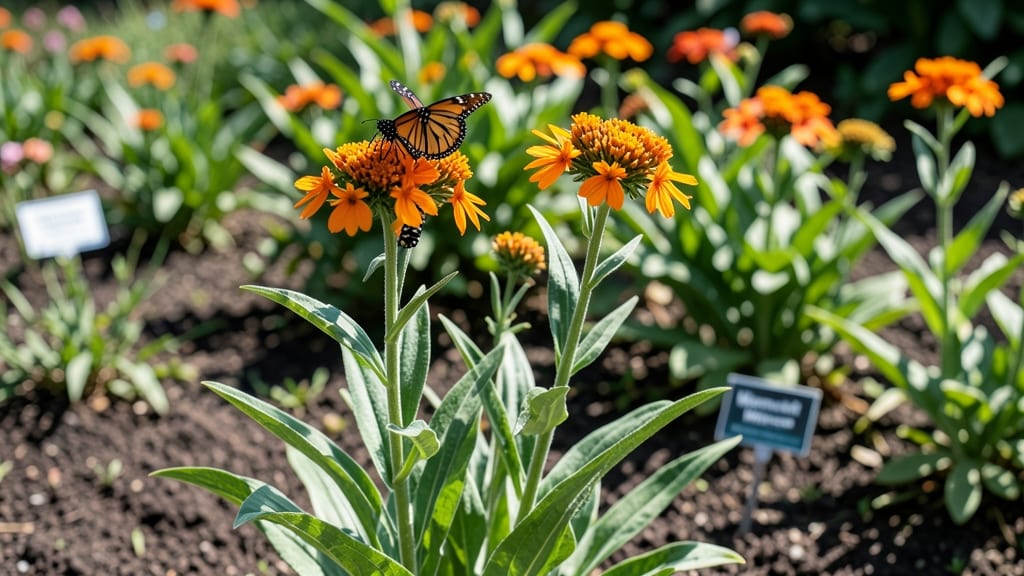
Monarch butterflies don't only eat milkweed—they rely on it exclusively as caterpillars but feed on diverse nectar sources as adults. The plant's toxins protect their young, while adult butterflies sip from flowers like milkweed, asters, and coneflowers.
While milkweed is the sole food source for monarch caterpillars, adult butterflies have a broader menu of flowering plants. 🌸 This dual diet strategy ensures their survival across different life stages—larvae need milkweed's specialized nutrients, but adults can thrive on a variety of nectar sources.
Gardeners often focus too much on milkweed alone, missing opportunities to create complete habitats by adding nectar-rich flowers that support adult monarchs throughout their migration journeys.
What's fascinating is how this dietary shift works biologically. Monarch caterpillars store milkweed toxins in their bodies, making them toxic to predators—a survival advantage that adult butterflies no longer need.
This explains why you'll find monarchs flitting between milkweed patches and other flowering plants during their adult phase, creating beautiful pollinator gardens while continuing their ecological role.
💡 In This Article
- Why Milkweed Is Critical for Monarch Caterpillars
- Best Flowering Plants for Adult Monarch Nectar Feeding
Why milkweed is critical for monarch caterpillars
The monarch caterpillar's relationship with milkweed is a biochemical survival strategy. Milkweed contains cardiac glycosides—natural toxins that make the plant unpalatable to most predators. When caterpillars consume milkweed leaves, they store these toxins in their bodies, creating a chemical defense system that deters birds, wasps, and other predators.
This process begins immediately after hatching, as newly emerged caterpillars instinctively seek out milkweed within hours of emerging from their eggs. 🔥
Milkweed isn't just about protection—it provides essential nutrients caterpillars can't get elsewhere. The plant's leaves contain high levels of proteins and specialized compounds like asclepiadins, which monarch caterpillars can metabolize but most other insects cannot.
For example, a single caterpillar may consume up to 80% of its body weight in milkweed leaves daily during its rapid growth phase. Without milkweed, caterpillars would starve or grow abnormally, unable to reach the 2-inch length needed for successful pupation.
The specificity is striking: monarch caterpillars will reject all other plants, even those in the same family (like dogbane), if milkweed isn't available. This host plant specificity is hardwired into their DNA.
Scientists have found that monarchs can detect milkweed from 3 feet away using specialized sensory receptors that respond to the plant's unique chemical signature. This precision ensures they find the one food source that supports their entire metamorphosis process.
What makes this adaptation even more remarkable is how the toxins work. Cardiac glycosides interfere with the sodium-potassium pumps in predator nervous systems, causing fatal heart arrhythmias. Yet monarchs have evolved enzymes that detoxify these compounds, allowing them to thrive while making themselves poisonous to others.
This mutualistic relationship is so specialized that no other plant provides the same combination of nutrition and protection. 💫
Gardeners often make the mistake of assuming all milkweed is equal, but monarchs prefer specific varieties like common milkweed (Asclepias syriaca) or swamp milkweed (Asclepias incarnata). These species contain optimal toxin levels for monarch development.
Using tropical milkweed (Asclepias curassavica) can actually harm monarch populations by exposing them to parasites that thrive in warmer climates, disrupting their natural life cycle.
The biochemical process doesn't end with the caterpillar. When monarchs pupate, they carry these toxins into their chrysalis, and the adult butterflies retain them in their wings and body. This means even adult monarchs remain toxic to predators, though they no longer need the milkweed for survival.
The plant's role shifts from essential nutrition to a foundation for their entire defensive strategy across all life stages. ✨