
Featured
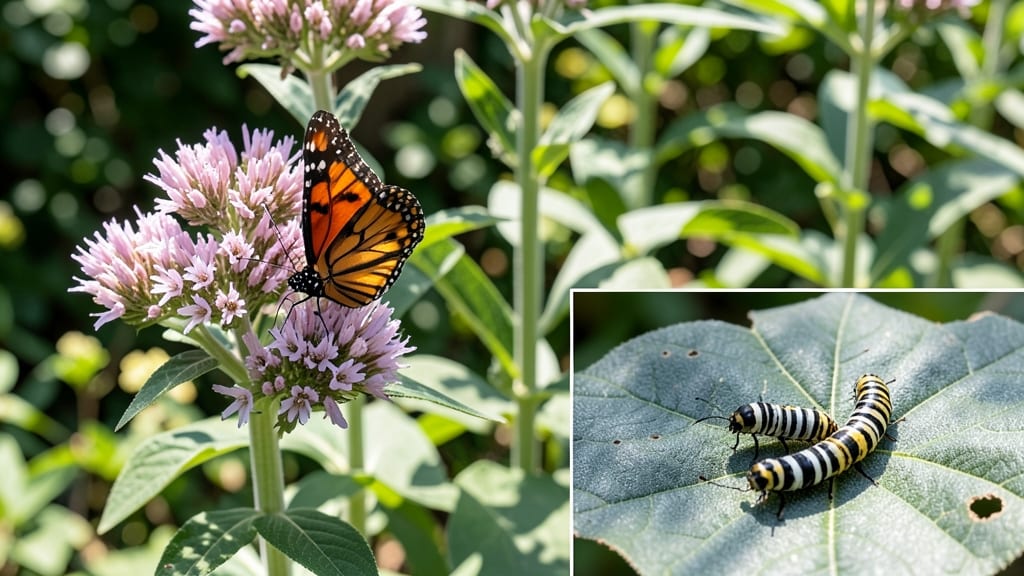
Butterflies, particularly monarchs, don't eat milkweed as adults, but their caterpillars depend entirely on it as their sole food source during their larval phase. This plant's toxic compounds actually protect the caterpillars from predators.
While adult butterflies like monarchs don't consume milkweed, their caterpillars have an exclusive relationship with this plant. 🌿 The toxic chemicals in milkweed—called cardenolides—become stored in the caterpillars' bodies, making them unappetizing to predators.
This fascinating defense mechanism is why monarch caterpillars can only thrive on milkweed species, with no suitable substitutes in nature. The plant's role extends beyond nutrition, as it's also crucial for their metamorphosis process.
Interestingly, this specialized diet creates a unique cycle: monarchs lay their eggs solely on milkweed leaves, ensuring the next generation will have access to their essential food source. Without milkweed, monarch populations would struggle to survive, making this plant absolutely vital for their lifecycle.
💡 In This Article
- Why Milkweed Is Essential for Monarch Butterfly Larvae
- How to Grow Milkweed for Butterfly Gardens
Why milkweed is essential for monarch butterfly larvae
The monarch caterpillar's survival hinges entirely on milkweed because of its unique biochemical composition. The plant produces toxic compounds called cardenolides, which are naturally occurring steroids that act as a chemical defense.
When caterpillars consume milkweed leaves, these toxins accumulate in their bodies, making them taste foul and potentially deadly to predators like birds and small mammals. This process is called sequential herbivory, where the plant's toxins become the caterpillar's own defense mechanism.
Here's how it works chemically: milkweed contains up to 0.5-1.5% cardenolides by dry weight, with some species like Asclepias curassavica (tropical milkweed) containing higher concentrations.
When a caterpillar ingests these compounds, they're stored in its hemolymph (insect blood) and tissues, creating a bitter taste that predators recognize as a warning signal. 🔥 The caterpillar's bright colors and patterns further reinforce this "I'm toxic" message, making it a less appealing target.
This specialized diet isn't just about defense—it's also crucial for development. Monarch caterpillars go through five instar stages (growth phases) before pupating, each requiring increasing amounts of milkweed to support their rapid growth.
The plant provides not just calories but also specific nutrients like sterols that monarchs can't synthesize themselves. Without milkweed, caterpillars would suffer from stunted growth, failed molting, or even death before reaching maturity.
The metamorphosis process itself depends on milkweed's unique properties. When caterpillars are ready to pupate, they require specific hormonal triggers that milkweed consumption helps regulate.
Interestingly, if you try to rear monarch caterpillars on alternative plants like dandelions or parsley, they'll initially eat them but will eventually starve or fail to develop properly because these plants lack the necessary cardenolides and nutrients.
This biological specialization is why monarchs have evolved such a strict dependency on milkweed.
What makes this relationship even more fascinating is the plant's chemical flexibility. Different milkweed species produce varying levels of cardenolides, and monarchs have adapted to tolerate these fluctuations. For example, Asclepias syriaca (common milkweed) contains different toxin profiles than Asclepias tuberosa (butterfly weed), yet both support monarch development.
This adaptability allows monarchs to utilize multiple milkweed species across their migratory range, from Canada to Mexico.
The ecological impact goes beyond individual survival. Milkweed's toxicity creates a trophic cascade—by protecting caterpillars, it indirectly benefits the entire food web. Healthy monarch populations support predator species that have learned to recognize and avoid milkweed-fed caterpillars.
Meanwhile, the plant's bright flowers attract pollinators, making milkweed gardens vital biodiversity hubs. 🌟 This interconnected relationship shows how specialized plant-insect interactions can shape entire ecosystems.