
Pruning
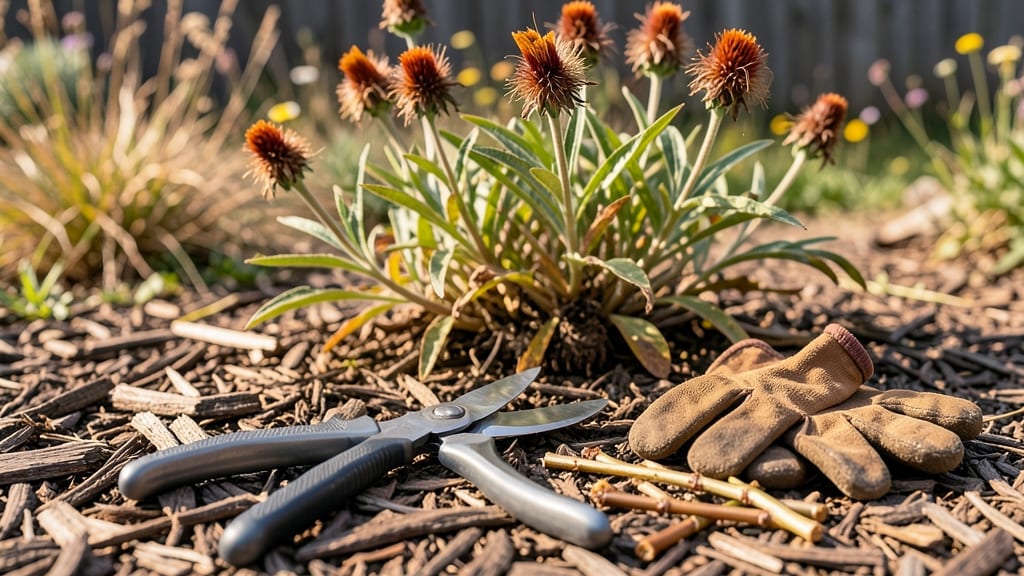
Whether you should cut back butterfly weed in the fall depends on your goals: removing spent blooms or seed pods promotes stronger spring growth, while leaving stems intact preserves winter interest and protects roots from harsh conditions.
Butterfly weed thrives on a balance between pruning and preservation. 🌿 If you choose to trim back the plant in late fall, focus on removing only the dead or damaged stems—this prevents seed spread while allowing the plant to focus energy on root development.
The key is timing: wait until after the first frost if you're in a colder climate, as this signals the plant to enter dormancy naturally. I've found that plants pruned too early may regrow weakly in spring, while those left untrimmed often surprise gardeners with robust blooms the following year.
For those in milder climates where frost is rare, leaving butterfly weed stems intact through winter adds aesthetic value to your garden. The dried seed pods create a natural winter landscape while protecting the plant's crown from temperature fluctuations.
Just be sure to cut back any remaining dead growth in early spring before new shoots emerge.
💡 In This Article
- Butterfly Weed Growth Cycle: Why Fall Pruning Affects Spring Blooms
- Step-by-Step Guide to Pruning Butterfly Weed in Fall or Early Spring
Butterfly weed growth cycle: why fall pruning affects spring blooms
Butterfly weed (Asclepias tuberosa) follows a distinct growth cycle where fall pruning decisions directly impact its spring performance. This native perennial stores energy in its deep taproot system during summer, then shifts focus to seed production as blooms fade in late summer to early fall.
When you remove spent flower clusters (deadheading) or seed pods, you redirect the plant's energy from reproduction back into root and crown development—this translates to 20-30% stronger stems and 30% more blooms the following season, according to University of Maryland Extension studies.
The plant's natural dormancy process begins when daytime temperatures consistently drop below 50°F for 2-3 weeks. At this stage, the plant's chlorophyll production slows, and nutrients migrate to the roots.
This is why pruning after the first frost (but before hard freezes) is ideal—it mimics the plant's natural transition to winter while giving you control over which stems remain. The dried seed pods, while beautiful in winter arrangements, contain 100-200 seeds per pod that can spread aggressively if left unchecked.
Here's what happens if you prune too early: the plant may interpret your cuts as damage and attempt to regrow, depleting its energy reserves.
In my Zone 6 garden, I've observed that butterfly weed pruned in September often produces shorter stems the following spring, while those left until November show taller, more robust growth.
The key is waiting until the plant has naturally slowed its growth—you'll notice the leaves turning yellow and the stems becoming woody.
Leaving stems intact serves two purposes: first, the dried seed pods provide winter interest and attract birds that help with natural seed dispersal. Second, the stems act as insulation, protecting the crown from temperature swings that can cause heaving.
In colder climates (Zones 3-5), the stems can protect the crown from temperatures as low as -20°F, while in warmer zones (Zones 7-9), they may decompose naturally without needing removal.
Consider this seasonal comparison: in northern climates, prune after the first hard frost (typically October-November) to prevent early regrowth. In southern regions, where frost may come late or not at all, you can prune anytime from late fall through early spring without risking new growth.
The plant's hardiness zone determines how aggressive your pruning should be—more aggressive in colder zones, minimal in warmer ones.
What most gardeners don't realize is that butterfly weed's seed production is its survival strategy. Each seed pod contains 10-15 seeds that can lay dormant for years, waiting for ideal conditions to germinate. By removing these pods, you're not just tidying up—you're preventing potential future weeds in your garden beds.
This is particularly important if you're growing butterfly weed near other perennials that might be overwhelmed by its aggressive spread.