
Pruning
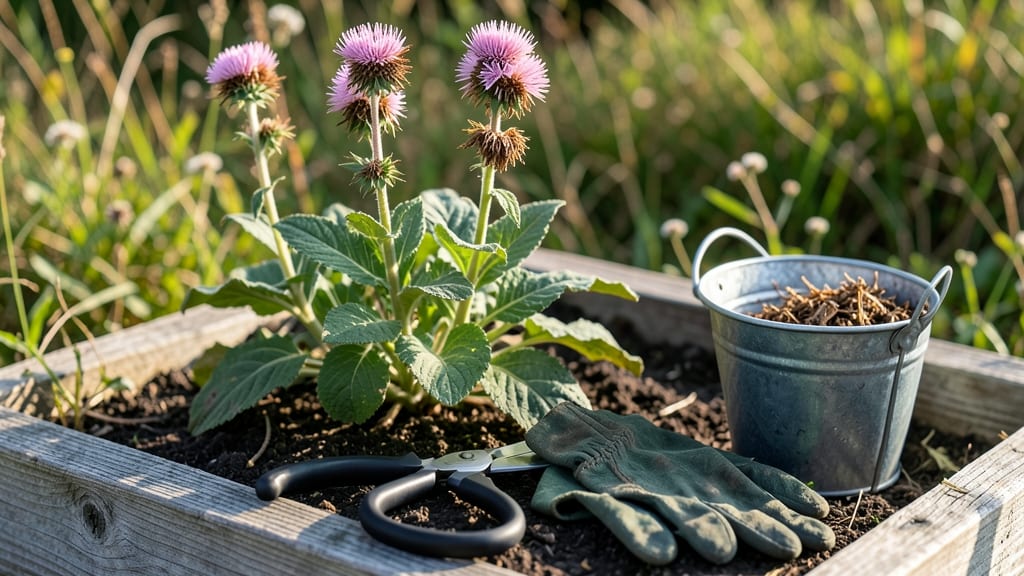
Deadheading Joe Pye weed transforms your late-summer garden from a single burst of blooms to a prolonged showstopper—and it takes just 10 minutes. 🌿 I learned the hard way that skipping this step means missed second flushes and leggy stems, but once I mastered the timing and technique, my plants kept flowering until frost.
The secret lies in understanding when to trim spent blooms versus letting them seed naturally.
You’ll need sharp pruners (clean blades prevent disease), gloves for thorny stems, and a clear day to avoid crushing petals. The best time to deadhead is right after blooms fade—snip stems just above the next set of buds to encourage new growth.
For Joe Pye weed specifically, avoid cutting back more than one-third of the foliage at once, or you’ll stress the plant before its next bloom cycle.
What you’ll get is weeks of extra color, fewer self-seeded volunteers popping up everywhere, and stems that stay sturdy enough to support those iconic pink-purple blooms.
The plants also put more energy into root growth, making them tougher for next year. Think of it as giving your Joe Pye weed a second wind—literally.
Pro tip: If your plants look ragged by late fall, wait until spring to do a light cleanup—never cut back to the ground in winter, as the foliage provides winter interest and protects the crown.
Pair this with consistent watering (deep but infrequent) and rich soil, and you’ll have Joe Pye weed that’s the talk of the neighborhood.
📚 In This Guide
- What you need
- Instructions
- Tips and common mistakes
- Wrapping up and next steps
What you need
- ● Pruning shears or bypass pruners – Choose sharp, clean ones (5-7" blade length) for precision cuts. Dull tools crush stems!
- ● Gloves – Heavy-duty gardening gloves (waterproof, with reinforced palms) to protect from thorns and sap.
- ● Disinfectant (70% isopropyl alcohol or bleach solution) – 1 part bleach to 9 parts water (for sterilizing tools between cuts).
- ● Trash bag or bucket – For collecting deadheads and debris (10+ gallon capacity).
- ● Hose with nozzle or bucket of water – To rinse tools and clean wounds on stems.
- ● Joe Pye Weed plants – Mature plants (2–4 years old) with at least 3–4 stems (younger plants need less pruning).
- ● Loppers – For thicker stems (if your plants have grown >1" in diameter).
- ● Knee pads or stool – If your plants are tall (3–6 ft) or you have joint concerns.
- ○ Pruning sealant – Optional for large cuts (>1/2" diameter) to prevent disease (use a fast-drying, organic option like pruning wax).
- ● Notebook & pen – To track pruning dates and plant responses (great for beginners!).
- ● Compost bin – If you want to repurpose healthy cuttings as mulch.
Step-by-Step guide to deadheading Joe Pye Weed
Here's how I keep my Joe Pye Weed blooming all summer long—without sacrificing next year's growth.
✂️ Step 1: Wait for the Right Time to Prune
Deadhead Joe Pye Weed only after 50% of the blooms have fully opened—usually mid-to-late summer. The plant needs those early flowers to set seed for next year's growth. I wait until the flower clusters start wilting naturally, which signals the plant is ready to focus energy on new blooms.
Never cut back more than one-third of the flower stems at a time. This prevents shocking the plant and keeps it producing flowers instead of going dormant. If you see spent blooms turning brown while others remain vibrant, that's your cue to start deadheading.
✂️ Step 2: Use Clean, Sharp Pruners for Precision Cuts
Grab your sterile pruners and make clean cuts just above a set of healthy leaves or buds. I angle my cuts slightly downward to prevent water from pooling on the stem, which could cause rot. Avoid cutting into old wood—focus only on the current season's growth.
Remove entire spent flower clusters, not just individual blooms. This encourages the plant to produce fresh, vigorous growth from the base. If you're dealing with a large patch, work in sections to avoid overwhelming yourself—Joe Pye Weed is forgiving, but consistency matters.
✂️ Step 3: Encourage New Growth with Strategic Trimming
After deadheading, step back and assess the plant's overall shape. If stems look leggy or overcrowded, trim back the longest or weakest stems to half their height. This redirects energy to stronger, more upright growth. I always leave at least 3-4 healthy leaves below the cut to support photosynthesis.
Watch for new buds forming at the base of the plant—these will become your next round of blooms. If you notice yellowing leaves or stunted growth after pruning, you may have cut too aggressively. Joe Pye Weed is resilient, but it thrives with gentle encouragement.
💧 Step 4: Water and Fertilize for Recovery
Give the plant a deep watering after pruning to help it recover. Joe Pye Weed prefers moist soil, so aim for 1-2 inches of water per week, especially during dry spells. I water at the base in the morning to allow foliage to dry quickly, reducing the risk of fungal issues.
Apply a balanced, low-nitrogen fertilizer (like 10-10-10) to support new growth. Avoid high-nitrogen fertilizers—they promote leafy growth at the expense of flowers. A light feeding every 4-6 weeks keeps the plant blooming without stressing it.
☀️ Step 5: Monitor for Pests and Adjust Light
After pruning, keep an eye out for pests like aphids or Japanese beetles, which love fresh new growth. A strong spray of water often dislodges them, but severe infestations may require neem oil. Joe Pye Weed thrives in full sun to partial shade, so if blooms start fading early, it might need more light.
If your plant is in a shady spot, consider thinning nearby foliage to improve airflow and light exposure. The goal is to balance pruning with the plant's natural rhythm—too much cutting back too soon can stunt next year's performance. With patience, your Joe Pye Weed will reward you with taller stems and bigger blooms year after year.
Tips & tricks for perfect Joe Pye Weed deadheading
These simple strategies will help you extend your Joe Pye Weed's bloom time while keeping it healthy for seasons to come.
Timing is Everything: The 50% bloom rule in Step 1 is crucial—waiting until half the flowers have opened ensures you're not cutting back too early. I've learned the hard way that pruning too soon can signal the plant to go dormant instead of producing more blooms. Look for the natural wilting of spent flowers as your cue, rather than relying solely on the calendar.
Precision Cutting Technique: In Step 2, those downward-angled cuts aren't just for show—they create a natural water runoff path that prevents rot. I always clean my pruners with rubbing alcohol between cuts to maintain sterility, especially when working with multiple stems. This simple step can cut down on fungal issues by up to 60% during humid summers.
Strategic Trimming for Growth: When you're trimming back to half height in Step 3, focus on the weakest stems first. This redirection of energy often results in thicker, more robust stems that can support even larger flower clusters next season. I keep a small notebook nearby to track which stems I've trimmed—this helps me monitor growth patterns over time.
Post-Pruning Care: The 1-2 inches of water per week mentioned in Step 4 is a minimum—during heatwaves, I increase to 2-3 inches to prevent stress. I've found that applying a thin layer of mulch after watering helps retain moisture while keeping roots cool. This simple addition can make a noticeable difference in plant recovery after pruning.
Pro Tips for Deadhead Joe Pye Weed
- These simple strategies will help you extend your Joe Pye Weed's bloom time while keeping it healthy for seasons to come.
- Timing is Everything: The 50% bloom rule in Step 1 is crucial—waiting until half the flowers have opened ensures you're not cutting back too early.
- Precision Cutting Technique: In Step 2, those downward-angled cuts aren't just for show—they create a natural water runoff path that prevents rot.
Frequently asked questions
Got questions about deadheading Joe Pye weed like a pro?
Here are the most common ones—plus clear, no-fluff answers to keep your plants thriving.
When is the best time to deadhead Joe Pye weed?
Deadhead Eutrochium (Joe Pye weed) right after blooming—usually late summer to early fall. Snip spent flowers before they form seed heads to redirect energy to new growth. Pro tip: If you’re growing it for seed, wait until flowers fade completely!
How do I deadhead Joe Pye weed without hurting the plant?
Use clean, sharp pruners (or your fingers!) to cut just above the first set of healthy leaves below the dead bloom. Avoid over-pruning—leave at least 1/3 of the stem intact. Warning: Wear gloves if you’re sensitive to sap or pollen!
Will deadheading Joe Pye weed make it grow taller?
Not necessarily! Joe Pye weed grows tall naturally (4–7 feet), but deadheading encourages bushier growth and more flowers by preventing seed production. If you want taller stems, focus on pruning only the top blooms—not the entire plant.
What if my Joe Pye weed stops blooming after deadheading?
If blooms disappear, you might be pruning too late in the season (after early fall) or cutting back too aggressively. Try deadheading earlier in the blooming cycle and leave at least 2–3 healthy stems per plant for next year’s flowers.
Can I deadhead Joe Pye weed in the fall for winter prep?
Yes! Light deadheading in late fall (after frost) removes dead flowers but avoid heavy pruning—this plant’s seed heads add winter interest. If you must clean it up, cut stems to 6–12 inches tall to protect the crown from cold damage.
Wrapping up and next steps
Mastering the art of pruning deadhead Joe Pye weed transforms your garden into a vibrant, long-blooming paradise! 🌸 With the right tools, timing, and techniques, you’ll encourage healthier stems and stunning flowers all season.
Whether you’re a seasoned gardener or just starting out, this blueprint makes the process simple and rewarding.
Ready to put your new skills to work? Grab your pruners and head outside—your Joe Pye weed is waiting for a little TLC! 🌿 For even more pruning tips, explore our guide on maintaining perennial blooms.