
Pests and Diseases
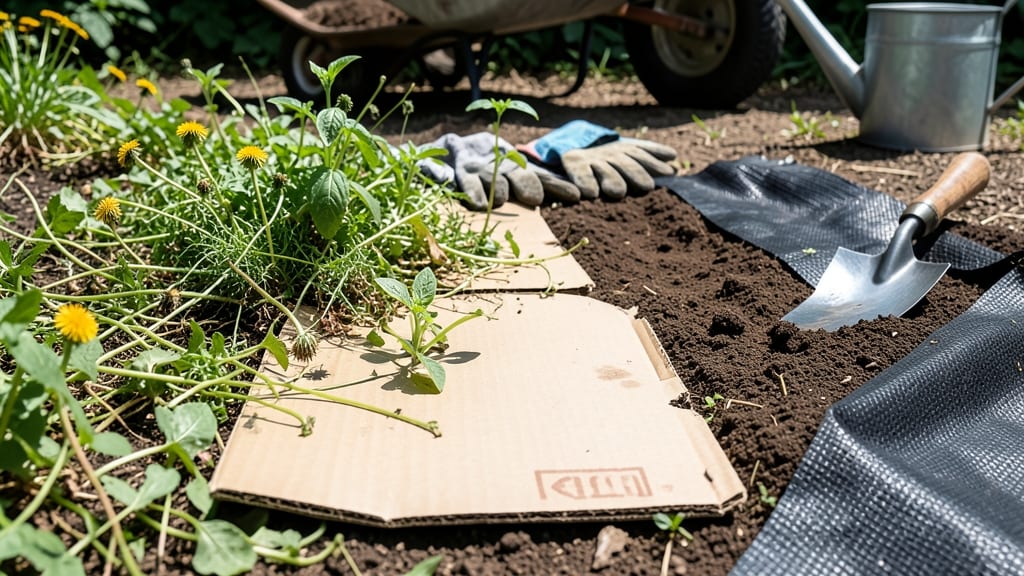
Yes, cardboard can be used as a weed barrier, and it works by blocking sunlight and suffocating weeds, but you must cover it with mulch, compost, or soil to prevent it from breaking down too quickly. Plain, uncoated cardboard breaks down in 2-4 months, while glossy varieties can last longer but may harm plants.
Cardboard acts like a temporary blanket for your soil, cutting off light that weeds need to grow. 🌱 The key is preparation—wetting it down before laying it flat helps it flatten and stay in place, while removing tape or staples prevents sharp edges that could poke through mulch.
I’ve found that pairing it with straw or wood chips works best, as these materials stay put longer than grass clippings and add organic matter to the soil as they decompose.
For best results, place cardboard in early spring or fall when weeds are less aggressive, and replace it every 2-3 months if it starts breaking down. This method is especially useful in garden beds or around young plants where you want to minimize disturbance.
Just remember: the thicker the layer of mulch on top, the longer the cardboard will last and the more effective it will be at keeping weeds at bay.
💡 In This Article
- How Cardboard Works as a Natural Weed Suppressant
- Layering Cardboard for Maximum Weed Control
How cardboard works as a natural weed suppressant
Cardboard blocks weeds primarily by cutting off sunlight, which is essential for photosynthesis—the process plants use to grow. When you lay down a flat layer of plain, uncoated cardboard, it creates a physical barrier that shades the soil beneath, starving weeds of the light they need to sprout and thrive.
This method is particularly effective for annual weeds, which rely on quick germination and growth cycles. Studies show that light deprivation can suppress weed growth by up to 90% within the first 4-6 weeks, depending on the weed species and climate.
The decomposition process also plays a role in weed suppression. As plain cardboard breaks down, it releases nutrients into the soil, which can actually improve soil health over time.
This contrasts with synthetic weed barriers like plastic mulch, which block light but don’t decompose and can trap heat, potentially harming plant roots.
Cardboard’s breakdown rate varies by thickness—standard grocery cardboard (about 0.01 inches thick) decomposes in 2-4 months, while thicker shipping cardboard can last 6-12 months if properly layered. The key is balancing decomposition with weed control, which is why layering is critical.
What most people don’t realize is how cardboard affects moisture retention. When wet, cardboard flattens and becomes heavier, staying in place longer and creating a more effective seal against weeds.
This also helps regulate soil temperature by insulating the ground, which is especially useful in hot climates where weeds germinate rapidly.
Unlike landscape fabric, which can become a breeding ground for weeds if punctured, cardboard’s decomposition means it won’t create a permanent weed haven—it simply buys you time until the mulch layer takes over the suppression role.
One common misconception is that all cardboard works the same way. Glossy or wax-coated cardboard, often used for packaging, won’t break down and can actually harm plants by blocking airflow and trapping moisture against roots. The wax layer also prevents nutrients from returning to the soil.
For best results, use plain, unbleached cardboard—like from cereal boxes or shipping boxes—because it decomposes predictably and adds organic matter. This is why gardeners often pair cardboard with compost or mulch: the organic layer ensures the cardboard’s benefits are maximized while minimizing potential downsides.
Consider the contrast with plastic mulch, which blocks light but doesn’t decompose. Plastic can last years, but it doesn’t improve soil quality and often requires removal, which disturbs the soil. Cardboard, on the other hand, is a temporary solution that works in harmony with the ecosystem.
When layered with 2-3 inches of mulch, it creates a microclimate that suppresses weeds while gradually enriching the soil. This dual benefit makes cardboard a favorite among organic gardeners and those practicing regenerative gardening techniques.
For example, in a vegetable garden bed, laying down wet cardboard followed by a 3-inch layer of straw can keep weeds at bay for 3-4 months while adding organic material to the soil. The straw also helps retain moisture, reducing the need for frequent watering.
This approach is particularly effective in early spring or fall when weeds are less aggressive, allowing plants to establish roots without competition. Over time, the cardboard’s nutrients will blend into the soil, creating a healthier growing environment for your plants.