
Tools
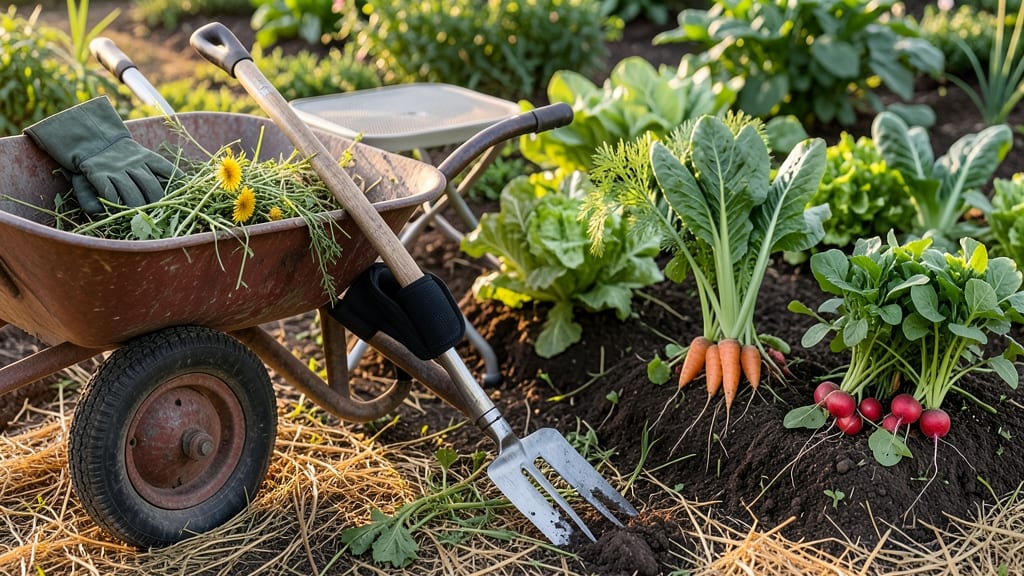
Weeding a garden without tools isn't just possible—it's the most satisfying way to reclaim your space. 🌱 I've spent years experimenting with different methods, and the right technique saves your back while keeping weeds from staging a comeback. The key is timing, leverage, and knowing exactly where to apply pressure.
Post-rain is your golden window—soil loosens, weeds pop right out, and you avoid the grime of dry, stubborn roots. I start by running my fingers along the soil surface to spot weeds before they get a grip.
A quick twist and tug often works better than yanking, especially for deep-rooted dandelions. By the end of a session, your garden beds look neat and weed-free, and your hands feel stronger from the work. The best part?
You skip the hassle of buying tools, and your soil stays undisturbed—perfect for planting later. This method works for flower beds, vegetable patches, and even lawn edges. No tools, no mess, just you and your garden getting back to basics.
📚 In This Guide
- What you need
- Instructions
- Tips and common mistakes
- Wrapping up and next steps
What you need
- ○ Gloves: Heavy-duty gardening gloves (1-2 pairs) – Look for nitrile-coated or leather for grip and protection. (Optional: Waterproof gloves if working in wet soil.)
- ● Knee Pads or Pad: A foldable kneeling pad or knee pads with straps to save your joints. (Pro tip: Inflatable pads are lightweight and portable!)
- ● Hand Tools: Weeding Knife or Hori-Hori Knife: A sturdy, sharp blade (3-5 inches) for precision. (Japanese hori-hori knives are great for tough roots!)
- ● Digging Trowel: A stainless-steel trowel (6-8 inches) for loosening soil and extracting weeds.
- ● Garden Fork: A 4-6 tine fork (12-18 inches) for leveraging out deep-rooted weeds.
- ● Water Source: A hose with a nozzle or watering can (for post-weeding hydration or soaking stubborn weeds).
- ○ Trash Bag or Compost Bin: A durable bag (13-30 gallons) for debris. (Optional: A compostable liner if composting.)
- ● Boiling Water: A kettle or large pot for spot-treating weeds (best for driveways or cracks).
- ● Vinegar or Salt: White vinegar (5% acetic acid) + dish soap or coarse salt for natural weed killers. (Test on a small area first!)
- ● Mulch: Straw, wood chips, or cardboard to suppress future weeds.
- ● Sunscreen & Hat: If working in full sun for long periods!
Step-by-step instructions for tool-free weeding
Here's the method I swear by for clean gardens without a single tool—just your hands and a little strategy.
🌱 Step 1: Choose the Right Time to Attack
Weeds thrive when the soil is soft and moist, so I always weed after a good rain or when the ground feels damp to the touch. Early morning is ideal because the dew keeps the soil moist longer, making weeds easier to pull. Avoid midday when the soil is dry and hard—you'll end up breaking weeds off at the root instead of removing them completely.
I also recommend weeding when the weeds are small. A 2-inch weed is a breeze to remove, while a 12-inch weed will take twice as long and may require multiple attempts. Think of this like whack-a-mole—catch them early, and the game becomes effortless.
✂️ Step 2: Use the Right Technique for Each Weed Type
For annual weeds like chickweed or crabgrass, I grab them at the base with my thumb and forefinger and pull straight up. The goal is to remove the entire root system—if you leave even a tiny piece behind, it'll regrow. I've found that twisting slightly as you pull helps loosen stubborn roots without breaking them.
For perennial weeds like dandelions or clover, I use a different approach. I get down on my knees, grip the weed just below the soil line, and pull with a steady, upward motion. If the weed resists, I'll wiggle it side to side to loosen it before pulling again. The key is patience—don't yank! A slow, steady pull prevents the weed from snapping off.
💧 Step 3: Smother and Prevent Future Growth
Once I've pulled all the visible weeds, I cover the bare soil with a thick layer of organic mulch—like straw or shredded leaves—to block sunlight and prevent new weeds from sprouting. A 3-inch layer is perfect: enough to suppress weeds but not so thick that it smothers your plants. I always keep mulch a few inches away from plant stems to avoid rot.
For stubborn weeds that keep coming back, I've started using a vinegar solution (1 gallon white vinegar + 1 cup salt + 1 tablespoon dish soap) in a spray bottle. I apply it directly to the leaves on a sunny day—this kills the weed without harming your plants. Just avoid spraying on windy days, or you might accidentally hit your flowers or veggies.
☀️ Step 4: Maintain the Weed-Free Zone
Weeding isn't a one-time job—it's an ongoing process. I make it a habit to check my garden for new weeds every 3-4 days during the growing season. A quick 10-minute walk around the garden keeps weeds from getting established. I also water deeply and consistently, which helps my plants outcompete weeds for resources.
Here's the thing—I don't just pull weeds; I observe where they're coming from. If I notice a patch where weeds keep popping up, I'll dig a little deeper to see if there's a hidden root or if the soil is compacted. Sometimes, adding a little compost or aerating the soil solves the problem long-term. Prevention is always easier than a full-blown weeding session!
Tips & tricks for perfect tool-free weeding
Here's what nobody tells you about making weeding feel like a victory—not a battle.
Timing Secret: The early morning dew is your secret weapon. I’ve learned this the hard way after ruining three batches of weeding sessions midday—when the soil is hard, you’re basically playing tug-of-war with weeds. If you can’t weed in the morning, wait for after rain when the soil is naturally soft. Even a light sprinkle makes all the difference.
Technique Tip: For those stubborn perennial weeds like dandelions, I’ve found that getting down on your knees and gripping just below the soil line gives you the leverage you need. The trick is to wiggle the weed side to side before pulling upward—it’s like loosening a stubborn jar lid. This prevents the weed from snapping off at the surface, which is the biggest frustration when you think you’ve won the battle.
Prevention Strategy: Mulch isn’t just for looks—it’s your weed-blocking armor. That 3-inch layer of straw or shredded leaves creates a barrier that starves weeds of sunlight. I keep it 2 inches away from plant stems to avoid smothering my flowers or veggies, but close enough to block any sneaky weed seeds trying to sprout. It’s like putting up a "No Vacancy" sign for weeds.
Vinegar Solution Hack: The vinegar spray (1 gallon white vinegar + 1 cup salt + 1 tablespoon dish soap) is a game-changer for weeds that keep coming back. I only use it on sunny days because the sunlight helps the vinegar work its magic—it’s basically a chemical sunburn for weeds. Just be careful not to spray on windy days, or you might end up giving your prized roses a surprise manicure.
Pro Tips for Best Way To Weed A Garden
- Here's what nobody tells you about making weeding feel like a victory—not a battle.
- Timing Secret: The early morning dew is your secret weapon.
- Technique Tip: For those stubborn perennial weeds like dandelions, I’ve found that getting down on your knees and gripping just below the soil line gives you the leverage you need.
Frequently asked questions
Got questions about tackling weeds without tools? Here are some of the most common concerns—and straightforward answers—to help you master the best way to weed a garden like a pro.
What’s the best time of day to pull weeds?
Early morning or late afternoon are ideal because the soil is moist (making weeds easier to remove) and the sun isn’t scorching. Avoid midday heat, which can stress you and dry out the roots, leaving stubborn weeds behind. Pro tip: Water your garden lightly the night before for even better results!
How often should I weed my garden?
Weeds grow fast, so aim to check your garden weekly during active growing seasons (spring and summer). For heavy weed pressure (like in new beds or neglected areas), pull them 2-3 times per week. Consistency is key—don’t wait until weeds are towering over your plants!
What if weeds keep coming back after I pull them?
Persistent weeds often have deep roots or seeds already in the soil. Try these fixes:
- Dig deeper: Use your fingers or a trowel to grab the entire root.
- Mulch: Cover bare soil with straw or grass clippings to block sunlight (weeds’ nemesis!).
- Vinegar spray: Mix 1 gallon of vinegar + 1 oz. dish soap for a natural herbicide (test on a small area first).
Can I reuse pulled weeds as fertilizer?
Yes! Weeds like dandelions and clover are nutrient-rich. Do this: Chop them into small pieces and let them sit in a bucket for 1-2 weeks to compost. Avoid weeds treated with herbicides (like glyphosate). For a quick boost, bury them directly in your garden beds as "green manure."
What if it’s too hot or cold to weed?
Extreme temperatures make weeding tough, but you can still manage:
Heatwave? Work in the shade during cooler hours (early morning/evening) and stay hydrated.
Freezing temps? Wait for soil to thaw slightly—frozen ground is harder to dig. Focus on pulling weeds before they seed in early spring.
Pro tip: Use a hoeing board (a flat board dragged over soil) in cold weather to smash emerging weeds before they sprout.Wrapping up and next steps
Weeding your garden doesn’t have to be a battle—especially when you skip the tools and embrace simple, effective techniques!
Whether you’re tackling stubborn weeds with a boiling water trick, smothering them under cardboard or mulch, or pulling them by hand with precision, consistency is key. 🌱 With patience and the right methods, your garden will thrive without the backbreaking work.
Ready to reclaim your garden? Start small—pick one technique, test it on a patch, and watch the difference. Before you know it, you’ll be a weeding pro! 👩🌾✨ Next, explore how to maintain your weed-free oasis with minimal effort.