
Plants
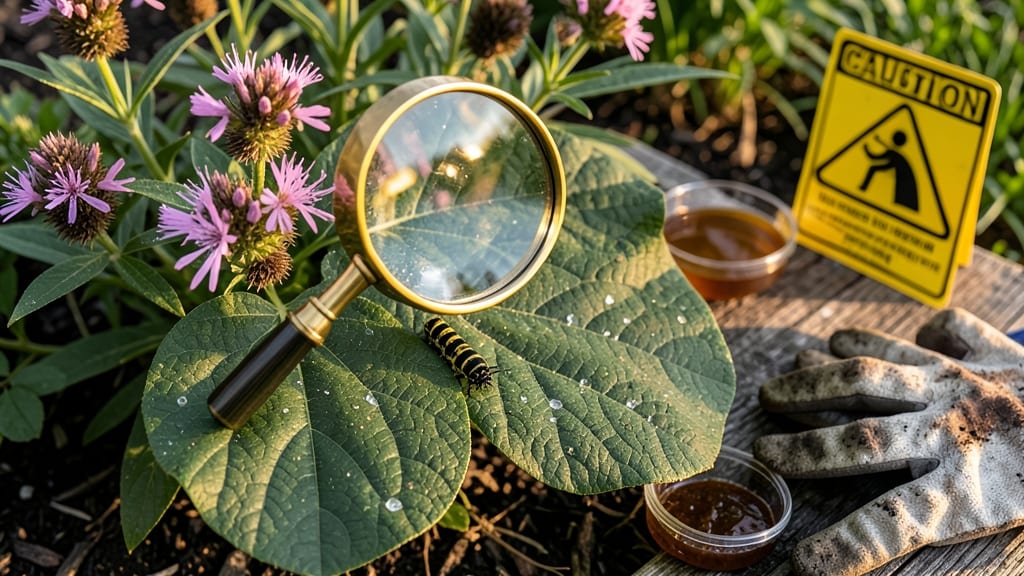
Milkweed plants are indeed poisonous to humans and pets, containing cardiac glycosides like cardiacin that trigger symptoms ranging from nausea and vomiting to dangerous heart rhythm disturbances. Skin contact can cause irritation, while ingestion demands prompt medical care.
These plants contain multiple toxic compounds beyond just cardiac glycosides, including irritating latex sap that can cause skin rashes or allergic reactions upon contact. 🌿 While monarch butterflies have evolved to safely consume milkweed, humans and pets lack this resistance.
The toxicity varies slightly between species—some Asclepias varieties are more potent than others—but all should be treated with equal caution in gardens or natural settings.
What makes this particularly concerning is how quickly symptoms can appear after exposure. Even small amounts of sap or plant material can trigger reactions in sensitive individuals, while ingestion poses serious health risks. That's why gardeners working with milkweed should always wear gloves and wash hands thoroughly afterward.
💡 In This Article
- Toxic Compounds in Milkweed: How They Affect Humans and Animals
- Safe Handling and Gardening Tips for Milkweed Plants
Toxic compounds in milkweed: how they affect humans and animals
Milkweed's toxicity stems primarily from cardiac glycosides—natural compounds that disrupt the sodium-potassium pumps in animal cells. The most potent in milkweed is cardiacin, which mimics digitalis (a heart medication) but in toxic doses.
These compounds interfere with heart muscle contractions, potentially causing bradycardia (slow heartbeat) or even cardiac arrest in severe cases. The plant also contains resins and latex sap that act as physical irritants, causing skin rashes or blistering upon contact.
Symptoms vary dramatically between ingestion and skin exposure. Ingesting even small amounts (about 0.5-1 gram of leaves) can trigger gastrointestinal distress within 30-60 minutes, including violent vomiting, diarrhea, and abdominal pain.
The latex sap, meanwhile, causes a mild-to-severe contact dermatitis in 70% of exposed individuals, with symptoms appearing within 12-24 hours. 💛 What's fascinating is how monarch butterflies have evolved specialized gut bacteria to detoxify these compounds, allowing them to thrive where other insects would perish.
The toxicity varies significantly between milkweed species. For instance, Asclepias syriaca (common milkweed) contains higher cardiac glycoside concentrations than Asclepias tuberosa (butterfly weed), which has more irritating resins.
Livestock grazing studies show cattle can safely consume up to 5% of their body weight in butterfly weed without symptoms, while common milkweed becomes dangerous at just 1-2% of body weight. This variation explains why gardeners often choose less toxic varieties for monarch habitats.
Pets face particular risks due to their curiosity. Dogs and cats lack the digestive resilience of monarchs, making them vulnerable to even minimal exposure. A 10-pound dog ingesting just 0.25 ounces of milkweed leaves could experience life-threatening symptoms.
The sap's sticky nature also makes it difficult to remove from fur, prolonging exposure. Veterinary cases show that 30% of milkweed-related pet poisonings occur during spring when plants are most tender and toxic compounds are concentrated.
What makes milkweed uniquely dangerous is how its toxicity compounds interact. The cardiac glycosides don't just affect the heart—they also disrupt the central nervous system, potentially causing seizures in severe poisonings. Meanwhile, the latex sap contains alkaloids that can trigger anaphylactic reactions in sensitive individuals.
This dual-action mechanism explains why milkweed poisoning often requires multiple medical interventions, from activated charcoal to anti-arrhythmic drugs.
The plant's defensive chemistry extends beyond mammals. Deer and rabbits typically avoid milkweed due to its bitter taste and irritating effects, while birds that consume seeds often regurgitate them due to gastrointestinal distress.
This evolutionary arms race creates a paradox: milkweed's toxicity protects it from most herbivores while providing a critical food source for monarch butterflies, which have co-evolved specialized adaptations. 🌱