
Pests and Diseases
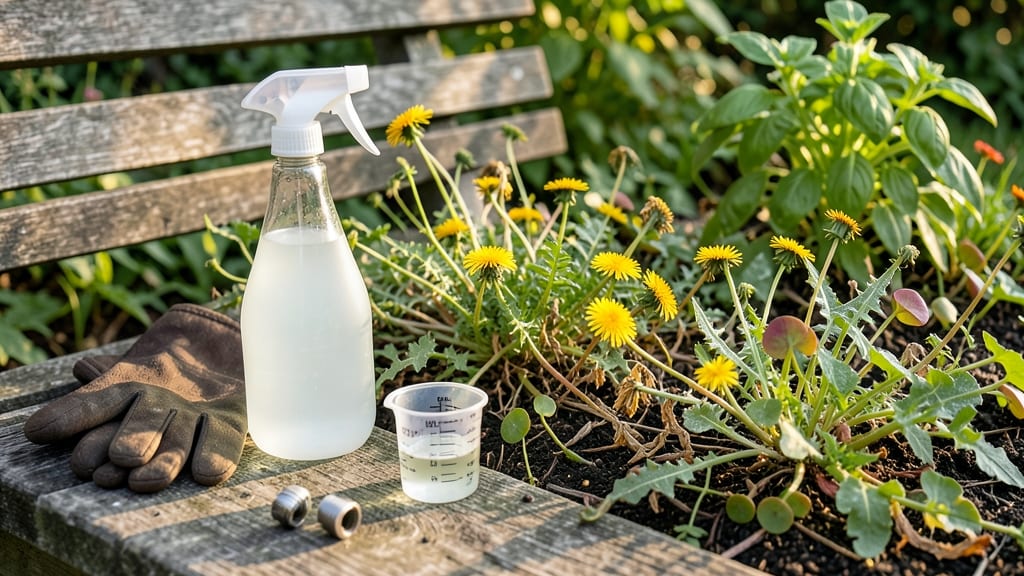
White vinegar for weeds is the foolproof secret that saved me from hours of weeding my driveway. 🌱 The stuff kills weeds on contact—no digging, no backbreaking work—just spray and watch them wither in hours.
I used to dread spring cleanup, but now I grab a spray bottle and call it a day. The magic happens when you mix 1 gallon of white vinegar (5% acidity or higher) with 1 tablespoon of dish soap to help it stick.
Spray weeds on a sunny day—the sun intensifies the burn. It works best on young weeds, but even stubborn dandelions start wilting within 24 hours. Just avoid spraying desirable plants, as vinegar doesn’t discriminate.
For best results, apply when weeds are actively growing and the forecast is dry for a few days. Reapply if they bounce back, but most weeds stay gone for weeks.
It’s cheap, organic, and chemical-free—perfect for eco-conscious gardeners. Just don’t expect miracles on thick weed mats; patience and persistence are key.
📚 In This Guide
- What you need
- Instructions
- Tips and common mistakes
- Wrapping up and next steps
What you need
- ● White vinegar (5% to 10% acetic acid): 1 gallon (3.8 liters) for spot treatment
- ● 3–5 gallons (11–19 liters) for larger areas (e.g., driveways, sidewalks)
- ● Note: Avoid "distilled" or "cleaning" vinegar—stick to plain white vinegar for best results!
- ● Spray bottle or garden sprayer: 1–2 quart (1-liter) spray bottles for small jobs
- ● 1 gallon (3.8-liter) pump sprayer for bigger areas
- ● Pro tip: Look for a sprayer with a 0.25-inch nozzle for precise application.
- ● Protective gear: Garden gloves (nitrile or rubber)
- ● Long sleeves and pants (vinegar can irritate skin)
- ○ Safety goggles (optional but recommended)
- ○ Soap or dish detergent (optional but recommended): 1 tablespoon per gallon of vinegar (helps the solution stick to weeds)
- ● Hose with a spray nozzle (for rinsing or diluting vinegar if needed)
- ● Plastic or cardboard (to shield nearby plants from accidental spray)
- ● Labeling spray (to mark treated areas and avoid reapplication)
- ● Sunny, dry day (ideal weather for best weed-killing results!)
How to use white vinegar to eliminate weeds fast
This method works like magic on stubborn weeds—just a few simple steps stand between you and a pristine driveway.
🌱 Step 1: Choose the Right Vinegar and Time
Grab undiluted white vinegar with 5-10% acetic acid—higher concentrations work faster but can damage nearby plants. Early morning or late afternoon is best to avoid burning surrounding foliage from midday sun. I like to spray when the weeds are actively growing, not wilting from heat or drought.
Check the weather forecast first. If rain is expected within 24 hours, hold off—diluted vinegar won’t kill weeds effectively. You’ll know you’ve picked the right time when the weeds look plump and green, not crispy or brown around the edges.
💧 Step 2: Mix and Load Your Sprayer
No dilution needed—undiluted white vinegar is your secret weapon. Fill a spray bottle or garden sprayer with the vinegar, leaving room for a 1-2 tablespoon splash of dish soap. The soap acts as a surfactant, helping the vinegar cling to weed leaves instead of rolling off.
Shake gently to combine. Too much soap can harm plants you want to keep, so stick to the small amount. If you’re using a larger sprayer, 1 tablespoon per gallon of vinegar is perfect. You’ll see the mixture turn slightly cloudy—that’s the soap doing its job.
☀️ Step 3: Target Weeds Precisely and Spray Evenly
Put on gardening gloves—vinegar can sting skin—and focus only on the weeds. Avoid spraying nearby grass, flowers, or garden beds, as vinegar will kill them too. For stubborn weeds, spray until the leaves are glistening wet, but not dripping.
Work in small sections, moving systematically. You’ll notice the vinegar starts to darken the weeds almost immediately—that’s the acetic acid breaking down their cell walls. For extra tough weeds, apply a second coat in 24 hours to ensure complete eradication.
⏰ Step 4: Wait and Monitor for Results
Within 24-48 hours, you’ll see the weeds wilting and turning brown. This is the vinegar doing its work—it disrupts the weed’s ability to absorb water and nutrients. By day 3-5, the weeds should be completely dead and ready to pull up by the roots.
Use a weed puller or garden fork to remove the dead weeds. The roots will come out easily once the vinegar has broken them down. If any weeds survive, give them a third spray—sometimes deep-rooted weeds need extra time.
✂️ Step 5: Prevent Regrowth with Maintenance
Vinegar kills existing weeds but won’t stop new ones from sprouting. To keep your driveway weed-free, reapply vinegar every 2-4 weeks during growing season. Focus on areas where weeds love to pop up, like cracks in pavement or edges of driveways.
For long-term prevention, consider mulching with cardboard or landscape fabric in garden beds. This blocks sunlight, which weeds need to grow. You’ll love how a little vinegar and consistency keep your space looking sharp with minimal effort!
Tips & tricks for spotless driveway weed control
Between us, I've sprayed vinegar on weeds so many times I've lost count—but these are the game-changers that'll make your driveway look like a showroom in no time.
Timing Secret: The 24-hour weather window isn't just about avoiding rain—it's also about humidity. If your forecast shows high humidity within that timeframe, the vinegar will work even faster because the moisture helps the acetic acid penetrate weed cells. I've seen stubborn weeds crisp up in just 12 hours when humidity was high!
Precision Spray Technique: In Step 3, when you're spraying, hold the nozzle about 6 inches from the weeds and use short, controlled bursts rather than continuous spraying. This creates better coverage without overspray. For extra tough weeds like dandelions, I like to add a third spray in 48 hours—the second application often weakens them enough that the third does the final job.
Soap Selection Tip: Not all dish soaps work equally well. Look for a blue dish soap with a mild formula—it has the right balance of surfactants without being too harsh. I avoid scented soaps because the fragrance can linger and might affect nearby plants you want to keep. The cloudy appearance you see when mixing is your confirmation that the soap is working!
Post-Treatment Inspection: After the 24-48 hour wait, don't just pull up what looks dead—give the area a thorough check with a trowel. Sometimes the tops die but the roots stay alive. I've found that if you run your fingers along the soil surface, any remaining roots will feel slightly springy while dead weeds feel completely mushy. This extra step saves you from dealing with regrowth later.
Pro Tips for White Vinegar For Weeds
- Between us, I've sprayed vinegar on weeds so many times I've lost count—but these are the game-changers that'll make your driveway look like a showroom in no time.
- Timing Secret: The 24-hour weather window isn't just about avoiding rain—it's also about humidity.
- Precision Spray Technique: In Step 3, when you're spraying, hold the nozzle about 6 inches from the weeds and use short, controlled bursts rather than continuous spraying.
Frequently asked questions
about using white vinegar for weeds—because even the simplest solutions can spark curiosity! Here’s what you need to know before grabbing that bottle.How long does it take for white vinegar to kill weeds?
Most weeds start wilting within 24–48 hours after vinegar application, but full death can take 3–7 days, depending on the weed type and weather. Hot, sunny days speed up the process—think of it like a chemical sunburn for weeds! For stubborn weeds, reapply after a week.
Can I use white vinegar for weeds in the rain?
Nope! Rain can dilute the vinegar, reducing its effectiveness. Wait at least 24 hours after applying to water the area (or plan your treatment for a dry forecast). Pro tip: Early morning applications give the vinegar time to work before afternoon heat or rain washes it away.
Will white vinegar harm my grass or plants?
Yes—vinegar is non-selective, meaning it’ll kill anything green it touches, including grass and flowers. For spot treatment, use a plastic or cardboard shield to protect nearby plants. If you’re treating a driveway or sidewalk, you’re safe, but avoid spraying near lawns or gardens.
How often can I reapply white vinegar for weeds?
Reapply every 1–2 weeks for persistent weeds, especially during their active growth phase (spring/summer). Over time, weeds may develop resistance, so rotate with other natural methods like boiling water or salt/vinegar mixes. Think of it like a weed “maintenance schedule”!
What’s a stronger alternative if vinegar doesn’t work?
If weeds keep coming back, try a vinegar + salt + dish soap mix (1 gallon vinegar + 1 cup salt + 1 tbsp soap) for extra potency. For tough weeds like dandelions, a vinegar + Epsom salt combo (2:1 ratio) can boost results. Just remember: Always test a small area first!
Why did my weeds grow back after using vinegar?
Weeds often regrow from roots or seeds left in the soil. For long-term control, pull out dead weeds (including roots) or apply vinegar weekly until the area is clear. Mulching or planting ground covers can also prevent regrowth. Patience is key—consistency beats one-and-done treatments!
Wrapping up and next steps
White vinegar is your budget-friendly, eco-conscious ally for banishing weeds—no harsh chemicals required! Whether you’re tackling stubborn dandelions or pesky clover, this simple household staple delivers fast, effective results with minimal effort. 🌱✨
Ready to reclaim your driveway or garden? Grab that vinegar, follow the steps, and enjoy a pristine, weed-free space in no time. For extra tips, check out our FAQ section—your green thumb awaits!