
Plants
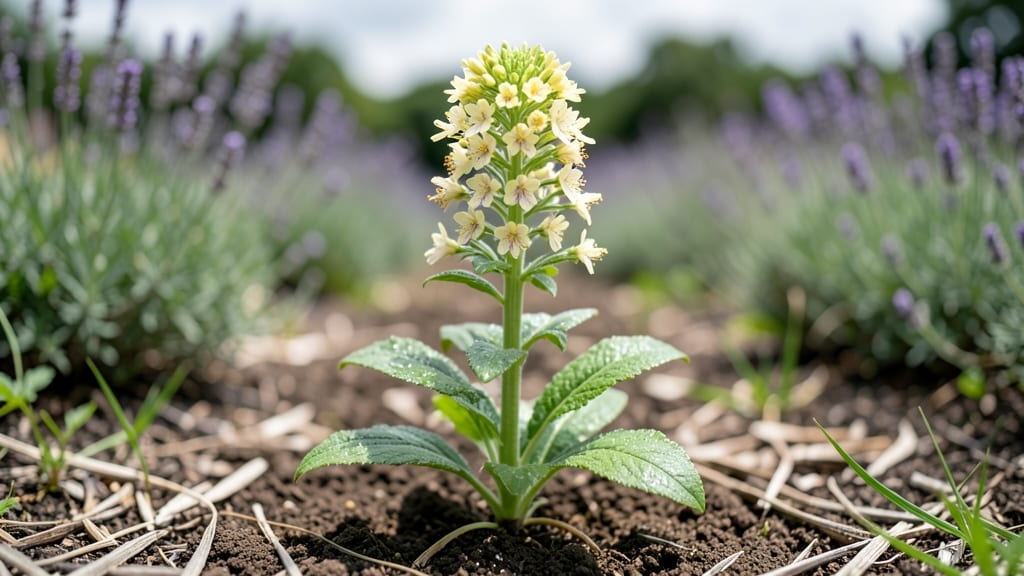
Pulling up what you think is cabbage only to find the weeds that look like cabbage in your salad bowl is every gardener’s nightmare. 🌱 These look-alikes—wild mustard, shepherd’s purse, or stray brassicas—can ruin a harvest if you don’t spot them early.
The key? Leaf shape, growth speed, and those sneaky yellow flowers hiding in plain sight.
Wild mustard (with its jagged leaves) and shepherd’s purse (tiny heart-shaped leaves) are the usual culprits. They bolt faster than cabbage, sending up flowers before your crop even forms a head.
A quick tug test helps: real cabbage leaves stay crisp, while weeds often pull out with a feathery root system.
Once you’ve ID’d them, act fast—manual removal works best in small patches. Mulch heavily to block light, or smother with cardboard before planting. For stubborn weeds, a targeted vinegar spray (mix 1 part vinegar to 3 parts water) does the trick without harming your cabbage family.
This trick works year-round, but early spring and fall are peak confusion times. Keep a small notebook by your garden to log what you pull—you’ll spot patterns before they spread. No more weedy surprises in your stir-fry!
📚 In This Guide
- What you need
- Instructions
- Tips and common mistakes
- Wrapping up and next steps
What you need
- ● Hand lens or magnifying glass – A 10x magnification lens helps inspect leaf edges, veins, and tiny details that distinguish weeds from cabbage.
- ● Field guide or plant ID app – A printed guide (like Norton’s Field Guide to Edible Wild Plants) or a mobile app (e.g., PictureThis or PlantNet) for quick comparisons.
- ● Notebook & pen – To jot down notes on leaf shape, plant height, flowering stages, and growing conditions.
- ○ Gloves (optional but recommended) – Nitrile or garden gloves protect your hands from prickly stems or sap.
- ● Pruners or small trowel – For safely uprooting or sampling weeds without damaging nearby cabbage plants.
- ● Measuring tape or ruler – To record plant height and leaf dimensions for precise ID.
- ● Camera with macro setting – Capture close-ups of leaves, stems, and flowers for later reference.
- ● Clear plastic bags – To preserve samples for further inspection or sharing with experts.
- ● pH testing kit – If you suspect soil conditions (e.g., alkaline soil) might be encouraging weed growth.
- ● Labeling tags – For marking identified weeds in your garden for future reference.
Quick ID guide for weeds that look like cabbage
Here’s how to spot the most common cabbage lookalikes before they take over your garden.
🌱 Step 1: Check the Leaves for Key Differences
Start by comparing leaf shapes and textures. Cabbage leaves are smooth, deep green, and form a tight, upright head. Weeds like wild mustard have jagged, serrated edges and a more open, sprawling growth habit. Shepherd’s purse leaves are narrow, arrow-shaped, and often grow in clusters at the base.
Run your fingers along the leaf edges—cabbage leaves feel smooth and slightly waxy, while weeds often have rough or hairy textures. This simple touch test can save you from pulling up your prized plants by mistake.
🌿 Step 2: Look for Flowering Patterns
Cabbage plants focus all their energy on forming a head, so they rarely bloom. Weeds, on the other hand, often send up flowers early. Wild radish produces clusters of small white flowers, while wild mustard has yellow blooms that resemble tiny cabbage florets but grow in loose, branching stems.
If you see flowers, you’ve got a weed—no cabbage plant will flower before harvest. Snap a photo for future reference; this visual cue alone can prevent costly mix-ups in future seasons.
✂️ Step 3: Inspect the Roots and Base
Gently dig around the base of the plant (or pull it if it’s small) to check the roots. Cabbage roots form a dense, fibrous network that stays close to the plant. Weeds like wild cabbage (horseradish) have long, invasive taproots that spread aggressively underground.
If the plant pulls up easily with a single long root, it’s a weed. Cabbage roots resist pulling—they’re thick and clustered. This step is critical for preventing future invasions; pull weeds immediately to stop their spread.
💧 Step 4: Observe Growth Speed and Seasonality
Cabbage grows slowly and predictably, taking weeks to form a head. Weeds bolt quickly, especially in warm weather. Wild mustard can go from seed to flower in just 3-4 weeks, while cabbage takes 6-8 weeks to mature. If a plant is growing too fast or flowering early, it’s not your crop.
Pay attention to when plants emerge—weeds often sprout earlier in spring or later in fall than cabbage. This timing difference is your best clue for early identification before confusion sets in.
🌱 Step 5: Use the "Smell Test" for Confident ID
Cabbage leaves have a clean, fresh scent. Weeds often emit strong, pungent aromas. Crush a leaf between your fingers—wild mustard smells sharp and peppery, while shepherd’s purse has a slightly bitter, musty odor. This sensory trick works best in warm weather when plant oils are most concentrated.
If you’re still unsure, compare the plant side by side with a known cabbage specimen. Sometimes, a quick photo sent to a local gardening group can provide instant confirmation—don’t hesitate to ask for help!
Tips & tricks for quick weed identification
Here's how to sharpen your eye for spotting weeds before they ruin your cabbage crop—no green thumb required.
Leaf Texture Test: In Step 1, when comparing leaf edges, press a leaf between your fingers to check for waxiness. Cabbage leaves feel almost slippery, while weeds like wild mustard have rough, almost sandpaper-like edges. This quick touch test works best on warm, dry leaves—morning dew can make all plants feel slick.
Timing is Everything: Step 4 mentions weeds bolt in 3-4 weeks, but here's the secret: check your garden every 7-10 days during warm months. Weeds grow exponentially in heat, while cabbage takes its sweet time. Set a phone reminder for your weekly weed patrol—it's the best way to catch them before they flower.
Root Rescue Strategy: When inspecting roots in Step 3, don't just pull—dig! Weeds like wild cabbage (horseradish) can have roots stretching 3 feet deep. Use a trowel to expose the full root system before pulling, and always remove the entire root to prevent regrowth. This one step saves hours of weeding later.
Seasonal Sneakiness: Remember that weeds often emerge before your cabbage in spring. Start checking garden beds as soon as soil reaches 50°F—even before planting cabbage. Early detection means easier removal and less competition for nutrients. I keep a small notebook to track when weeds appear each year in my zone.
Pro Tips for Weeds That Look Like Cabbage
- Here's how to sharpen your eye for spotting weeds before they ruin your cabbage crop—no green thumb required.
- Leaf Texture Test: In Step 1, when comparing leaf edges, press a leaf between your fingers to check for waxiness.
- Timing is Everything: Step 4 mentions weeds bolt in 3-4 weeks, but here's the secret: check your garden every 7-10 days during warm months.
Frequently asked questions
Got questions about those sneaky cabbage lookalikes? You’re not alone! Here are some of the most common concerns gardeners have—plus quick, actionable answers to keep your garden (and your dinner plate) weed-free.
How do I tell if my cabbage is a weed or the real deal?
Check the leaves and roots first! Real cabbage has smooth, glossy leaves with a tight head, while weeds like wild mustard or shepherd’s purse have jagged edges, yellow flowers, or a bitter taste. Pull up the plant—if it’s shallow-rooted and bolts quickly, it’s likely a weed.
When is the best time to remove these weeds?
Act fast! Remove weeds as soon as you spot them, especially when they’re young (under 4 inches tall). Early spring or late fall is ideal—soil is softer, and weeds are easier to pull. Pro tip: Mulch heavily after planting to block sunlight and slow regrowth.
Are these weeds toxic or harmful to my cabbage?
Most cabbage lookalikes (like wild radish or chickweed) aren’t toxic, but they compete for nutrients and space. Some, like wild mustard, can harbor pests. Pull them early to avoid stressing your cabbage plants—and always wash veggies thoroughly before eating!
What’s the best natural way to prevent them?
Combine mulching (straw or grass clippings), crop rotation, and hand-pulling regularly. Try planting marigolds nearby—they repel pests that love cabbage weeds. No-till gardening also reduces weed seeds in the soil over time.
Can I replant where I pulled out weeds?
Yes, but wait 2–3 weeks to let the soil settle. Weeds like purslane or lamb’s quarters can resprout if roots fragment. After pulling, solarize the bed (cover with clear plastic for 4–6 weeks) to kill remaining seeds before replanting.
Wrapping up and next steps
Identifying weeds that look like cabbage can save your garden from unwanted guests and keep your harvest thriving! 🌱 With the right knowledge—like checking leaf shape, plant structure, and growth patterns—you can confidently distinguish between beneficial crops and pesky invaders.
Now that you’re equipped with tips and tricks, take action: inspect your garden regularly, pull up any suspicious plants early, and share your new skills with fellow gardeners. Happy gardening! 🌿