
Planting
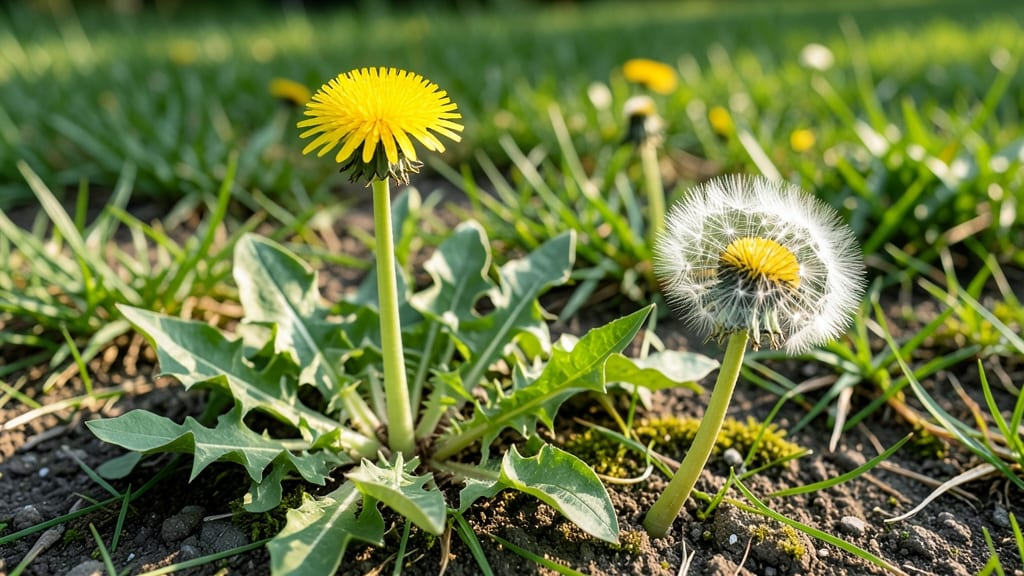
That fragrant wild plant growing in your garden isn't a weed—it's a natural pest repellent. 🌿 I've been using wild bergamot (Monarda fistulosa) to keep mosquitoes and Japanese beetles away, and it works better than chemical sprays.
The trick is letting it grow where pests congregate while keeping it contained so it doesn't take over.
This cold-hardy perennial thrives in zones 3-9 and spreads easily from seed or division. Plant it along garden edges, near patios, or in wildflower meadows where you want to discourage pests. It blooms from June through September with purple flowers that attract pollinators while keeping unwanted bugs at bay.
You'll notice fewer bites and chewed leaves almost immediately after planting. The strong minty fragrance masks other plant scents that attract pests, and the flowers provide nectar for beneficial insects. Just be prepared for its aggressive spreading habit—it's why I keep mine in contained beds with edging.
For best results, pair it with other pest-repelling plants like catnip or lemongrass, and avoid over-fertilizing. The more it spreads, the more effective it becomes at keeping your garden pest-free naturally. Here's how to manage it without letting it take over your entire yard.
📚 In This Guide
- What you need
- Instructions
- Tips and common mistakes
- Wrapping up and next steps
What you need
- ● Wild plant seeds or seedlings: 1–2 lbs of Lavender seeds (cold-hardy, fragrant, and pest-repellent)
- ● 1–2 lbs of Rosemary seeds or cuttings (drought-resistant, deer-resistant)
- ● 1–2 lbs of Mint seeds (aggressive spreader—plant in containers if needed!)
- ● 1–2 lbs of Yarrow seeds (tough, perennial, and pollinator-friendly)
- ● 1–2 lbs of Chamomile seeds (gentle, edible, and pest-deterring)
- ● Garden soil: 5–10 bags of well-draining, organic potting mix (or amend native soil with compost)
- ○ Containers (optional but recommended): 4–6 6-inch pots (for mint or delicate seedlings)
- ● 1–2 gallon-sized containers (for larger plants like rosemary)
- ● Basic gardening tools: 1 hand trowel (for planting and transplanting)
- ● 1 pruning shears (to shape plants and encourage growth)
- ● 1 garden fork (for loosening soil)
- ● Watering supplies: 1 watering can (with a fine rose for seedlings)
- ● 1 hose with adjustable nozzle (for established plants)
- ○ Optional but helpful: 1 mulch (straw or wood chips) (to retain moisture and suppress weeds)
- ● 1 plant marker set (to label your pest-repellent plants)
- ● 1 spray bottle (for misting seeds or seedlings)
- ● Climate: Cold-hardy zones 3–9 (check your local USDA zone!)
- ● Sunlight: Full sun (6+ hours/day) for most plants; mint tolerates partial shade
- ● Soil pH: Slightly alkaline to neutral (6.0–7.5)—test or amend if needed
- ● Timing: Spring or fall planting (avoid extreme heat or frost)
- ● Seeds: Start indoors 4–6 weeks before last frost
- ● Pest targets: Identify your biggest garden nuisances (e.g., deer, rabbits, aphids, or mosquitoes)
How to cultivate cold-hardy wild plants for natural pest control
Here's how to grow resilient, fragrant plants that act as living pest barriers—no chemicals required.
🌱 Step 1: Select and Source Cold-Hardy Wild Plants
Choose native species like yarrow, lavender, or wild bergamot—they thrive in cold climates and emit strong scents that repel pests naturally. I always source plants from local nurseries or wild harvests (with permission) to ensure they're adapted to your region's microclimate. These plants don't just survive winter; they become stronger each year, multiplying their pest-repelling benefits.
Look for established plants with multiple stems and healthy foliage—avoid leggy or yellowing specimens. If starting from seed, plant in early spring or late summer for best cold tolerance. The key is selecting varieties that match your USDA hardiness zone—for example, lavender thrives in zones 5-9, while yarrow handles zones 3-9.
☀️ Step 2: Prepare the Planting Site for Maximum Fragrance
Select a sunny location with at least 6 hours of direct sunlight daily—these plants rely on strong sunlight to produce their signature aromatic compounds. I always choose areas near garden edges or vegetable beds where pests are most active. Loosen the soil to a depth of 12-15 inches and mix in 2-3 inches of compost to improve drainage and nutrient availability.
Wild plants often prefer lean soil, so avoid heavy amendments like manure. Instead, focus on creating a well-draining environment—these plants hate soggy roots. If your soil is clay-heavy, incorporate sand or perlite to improve structure. The goal is to mimic their natural habitat where they've evolved to thrive without pampering.
💧 Step 3: Plant and Establish for Winter Resilience
Space plants 18-24 inches apart to allow for full growth and air circulation—crowding invites fungal diseases. Dig holes just deep enough to accommodate the root ball without burying the crown. Water deeply immediately after planting to settle the soil and eliminate air pockets around roots. I always water again after 3-4 days to encourage root establishment.
During the first growing season, maintain moderate moisture—never let the soil dry completely, but avoid overwatering. These plants store water efficiently in their roots, so consistent moisture helps them develop strong taproots. Mulch with 2-3 inches of straw in late fall to protect roots from freeze-thaw cycles and retain moisture during dry spells.
✂️ Step 4: Maintain Through Seasons for Continuous Pest Control
Prune plants in early spring to remove dead growth and encourage new, fragrant foliage. I always cut back by one-third to promote bushier growth. Regular pruning also prevents the plants from becoming too woody, which reduces their aromatic potency. Harvest leaves or stems as needed for bouquets or pest-repelling sachets—this stimulates new growth and maintains their vigor.
Fertilize lightly in early spring with balanced organic fertilizer (10-10-10) to support growth without encouraging excessive soft growth that attracts pests. These plants are remarkably low-maintenance once established. The real work happens in the first year as they build their root systems—after that, they'll spread naturally and multiply their pest-repelling benefits across your garden.
🌿 Step 5: Overwinter for Year-Round Protection
In late fall, cut back plants by half to reduce winter damage from snow and ice. I always leave some foliage to protect the crown from temperature fluctuations. These cold-hardy plants will regrow vigorously in spring, often before your tender vegetables are ready to plant. The persistent fragrance throughout winter continues to deter overwintering pests like rodents and insects.
Monitor for any signs of winter stress like bronzing leaves or shriveled stems—these are normal in extreme cold but shouldn't persist into spring. If you notice persistent damage, consider adding 2-3 inches of mulch for additional insulation. The goal is to let these plants do their job year-round, acting as your garden's natural pest control system without any intervention.
Tips & tricks for perfect cold-hardy pest-repelling plants
These practical insights will help you maximize your fragrant garden barrier's effectiveness while avoiding common pitfalls.
Selection Strategy: When sourcing wild plants, prioritize those with the strongest natural fragrance—look for lavender with deep purple blooms and yarrow with feathery foliage. The more intense the scent, the better the pest deterrent. I've found that wild bergamot with abundant white flowers works exceptionally well against mosquitoes and deer. For maximum impact, select plants that are already established rather than seedlings—their mature root systems give them an immediate advantage in cold climates.
Soil Preparation Insight: The 6 hours of daily sunlight mentioned in Step 2 is non-negotiable for aromatic compound production. If your garden has areas with less sun, consider using containers where you can move plants to follow the sun's path. For clay-heavy soils, I recommend mixing in equal parts sand and perlite—this creates the ideal drainage while maintaining moisture retention. The goal is to mimic the well-drained, nutrient-poor soils these plants evolved in.
Planting Depth Technique: When planting, make sure the root ball sits just below soil level—never bury the crown. I've learned this the hard way: buried crowns invite rot, while exposed ones dry out. For container-grown plants, gently loosen the roots before planting to encourage better soil penetration. The 18-24 inch spacing isn't just about aesthetics—it allows for proper air circulation, which is crucial for preventing fungal issues that can reduce the plants' pest-repelling effectiveness.
Winter Protection: The late fall cut-back by half is perfect for most cold-hardy species, but lavender benefits from slightly more foliage left—about 60% rather than 50%. This extra protection helps maintain its signature scent through winter. For extreme climates (below zone 5), consider adding 4-6 inches of straw mulch around the base rather than just 2-3 inches. The extra insulation helps maintain consistent soil temperatures, which is vital for root health during freeze-thaw cycles.
Pro Tips for Weed Wild Plant
- These practical insights will help you maximize your fragrant garden barrier's effectiveness while avoiding common pitfalls.
- Selection Strategy: When sourcing wild plants, prioritize those with the strongest natural fragrance—look for lavender with deep purple blooms and yarrow with feathery foliage.
- Soil Preparation Insight: The 6 hours of daily sunlight mentioned in Step 2 is non-negotiable for aromatic compound production.
Frequently asked questions
Got questions about growing and using wild, cold-hardy weed plants for pest control? You’re not alone! Here are answers to the most common queries—from planting tips to troubleshooting—so you can harness nature’s bug-repelling power with confidence.
What’s the best time of year to plant cold-hardy weed plants for pest control?
Plant in early spring or late summer for optimal growth. These hardy varieties thrive in cooler temps (down to 10°F/-12°C), so avoid planting when frost is imminent. Pro tip: Start seeds indoors 6–8 weeks before the last frost for a head start!
How long does it take for these plants to start repelling pests?
Most cold-hardy weed plants (like wormwood, mugwort, or tansy) begin emitting pest-repelling fragrances within 4–6 weeks of planting. For maximum effect, let them grow to maturity (usually 6–12 months). Pro tip: Thin seedlings early to boost airflow and speed up fragrance development!
Can I grow these plants in containers, or do they need garden space?
Many cold-hardy weed plants (e.g., catnip or pennyroyal) thrive in 5–10 gallon containers with drainage. Place them near entry points, patios, or veggie gardens. Pro tip: Use herb spirals or vertical planters to save space while maximizing pest-deterrent benefits!
Will these plants survive winter, or do I need to protect them?
Most cold-hardy varieties (like yarrow or lavender) are perennial and return yearly with minimal care. Mulch with straw or leaves in late fall to insulate roots. Pro tip: Prune back dead foliage in early spring to encourage fresh, fragrant growth!
Are there any downsides to using wild weed plants for pest control?
While generally safe, some plants (e.g., pennyroyal) can be toxic to pets or sensitive individuals. Always research varieties and plant in moderation. Pro tip: Keep plants away from water sources to prevent accidental ingestion by animals!
What should I do if pests still bother my garden after planting?
Combine methods! Pair cold-hardy plants with companion planting (e.g., marigolds) or neem oil sprays for extra defense. Rotate plants annually to disrupt pest life cycles. Pro tip: Harvest and replant aggressive spreaders (like mint) to maintain balance!
Wrapping up and next steps
Discovering the wonderful world of cold-hardy wild plants like weed (yes, we’re talking Lamb’s Ear and Yarrow!) 🌿 opens doors to natural pest control and fragrant beauty—without the fuss. These hardy greens thrive in chilly climates, repel pests effortlessly, and even boost your garden’s charm.
Whether you’re a seasoned gardener or just starting, embracing these resilient plants is a game-changer for low-maintenance, eco-friendly landscaping.
Ready to transform your garden? Start small—plant a few patches of your favorite cold-hardy wild plant this season and watch your outdoor space flourish with natural elegance and pest-free peace. Happy planting! 🌱