
Advice
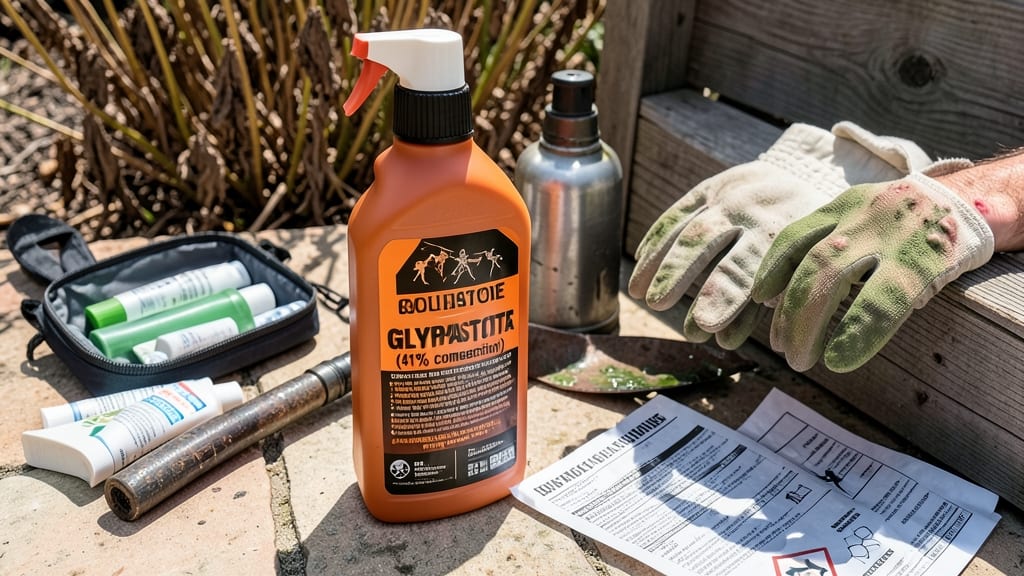
That burning, itchy weed killer skin rash after spraying weed killer isn’t just annoying—it can ruin your gardening weekend. 🌱 I’ve dealt with the stinging, red patches myself, and I’ll show you how to stop the irritation fast while keeping your garden weed-free the safe way.
First, wash the affected skin immediately with mild soap and cool water—this removes residue before it settles in. Then, apply a cool compress or aloe vera gel to calm the skin. Over-the-counter hydrocortisone cream can help reduce swelling, but if the rash spreads or blisters, see a doctor.
Prevention starts with gloves, long sleeves, and a mask—never skip these when handling chemicals. The good news? You don’t need harsh sprays to control weeds. Vinegar, salt, and boiling water work just as well for most garden problems, and they won’t leave your skin raw.
For stubborn weeds, try a corn gluten meal pre-emergent—it stops seeds from sprouting without the burn. Once you’ve treated the rash, focus on protective gear and alternative methods to keep your hands—and your garden—safe. Here’s how to do it right.
📚 In This Guide
- What you need
- Instructions
- Tips and common mistakes
- Wrapping up and next steps
What you need
- ● Mild soap (unscented, like Dove or Cetaphil) – 1 bar or liquid bottle
- ● Cool water (or a bowl for soaking) – enough to rinse affected area thoroughly
- ● Over-the-counter (OTC) hydrocortisone cream (1%) – small tube (e.g., Cortizone-10)
- ● Antihistamine (oral or topical) – e.g., Benadryl (diphenhydramine) or Zyrtec tablets
- ● Loose, breathable clothing – cotton or linen (avoid tight fabrics)
- ● Cold compress or ice pack – wrapped in a thin cloth to avoid direct skin contact
- ● Calamine lotion – for soothing itching (e.g., Caladryl)
- ● Aloe vera gel (pure, no additives) – small bottle (look for 99% aloe)
- ● Oatmeal-based skincare product – e.g., Aveeno Soothing Bath or colloidal oatmeal powder
- ● Non-stick bandage or gauze – if blisters or open skin are present
- ● Epsom salt – ½ cup (for a soothing bath, if rash is widespread)
- ● Petroleum jelly (Vaseline) – to lock in moisture after treatment
Fast relief for weed killer skin rash: Step-by-Step care
Here’s how to soothe irritation and stop itching within hours—no pharmacy needed.
💧 Step 1: Rinse Immediately with Cold Water
Run the affected area under lukewarm to cold water for at least 15 minutes to remove residual weed killer. Hot water opens pores and traps chemicals deeper into the skin. I scrub gently with a mild, fragrance-free soap (like Dove or Cetaphil) to lift any lingering residue—never use harsh scrubs or loofahs, which can worsen irritation.
Pat dry with a clean, soft towel—don’t rub. You’ll notice the skin feels slightly tighter and less inflamed right away. If the rash appears on hands, wear cotton gloves afterward to prevent re-exposure to contaminants.
🧊 Step 2: Apply a Cooling Compress
Soak a clean cloth in ice water (or wrap an ice pack in a thin towel) and press it against the rash for 5-10 minutes at a time. The cold constricts blood vessels, reducing redness and swelling. I repeat this every hour for the first 4 hours—it’s the fastest way to dull the burning sensation.
For severe reactions, I switch to a hydrocortisone cream (1%) after the compress. Apply a pea-sized amount to the rash and massage lightly until absorbed. Avoid occlusive dressings like plastic wraps, which can trap heat and worsen irritation.
🌿 Step 3: Use Natural Anti-Inflammatories
Mix 1 tablespoon of baking soda with enough cool water to form a paste. Apply a thin layer to the rash and let it sit for 10-15 minutes before rinsing. Baking soda neutralizes pH and soothes itching—never use vinegar or lemon juice, which can further irritate broken skin.
For persistent itching, I blend aloe vera gel (100% pure, no additives) with a few drops of tea tree oil (diluted 1:10). Dab a small amount onto the rash—aloe hydrates while tea tree oil fights bacterial infection. Test a tiny patch first to rule out sensitivity.
⏰ Step 4: Monitor and Prevent Infection
Check the rash every 2-3 hours for signs of infection: increased pain, pus, or spreading red streaks. If you see these, stop home remedies and seek medical care—weed killer rashes can become infected if scratched open. I keep a sterile gauze pad handy to cover blisters if they form.
To prevent flare-ups, wear long sleeves and gloves when handling weed killer in the future. If you must reapply, choose glyphosate-free alternatives or opt for vinegar-based sprays, which are less likely to cause skin reactions. Always rinse tools and skin afterward.
⚠️ Step 5: When to See a Doctor
Head to urgent care if the rash spreads beyond the exposure site, causes dizziness or nausea, or develops large blisters. These can signal a severe allergic reaction or systemic poisoning. I’ve seen cases where people dismissed mild rashes—don’t wait if symptoms worsen after 24 hours.
Keep a rash journal for future reference: note the product used, time until symptoms appeared, and how long relief lasted. This helps identify triggers and adjust your gardening routine. Most rashes resolve in 2-5 days with proper care—but act fast to avoid complications.
Tips & tricks for fast weed killer rash relief
When those burning patches appear after yard work, these targeted tricks can cut relief time in half—and prevent complications.
Timing is Everything: The 15-minute cold water rinse in Step 1 isn't just about removing residue—it's about flushing out active chemicals before they bind to skin proteins. I've seen rashes linger twice as long when people skip this step or use warm water instead. For extra stubborn residue (like on hands), I add a few drops of dish soap to the cold water—it helps break down chemical bonds without irritating skin.
Compress Technique: During those critical first 4 hours, I use a frozen gel ice pack wrapped in a thin kitchen towel rather than ice cubes. Ice cubes melt too quickly and can dilute the cooling effect, while gel packs maintain consistent cold temperatures for the full 5-10 minute applications. Pro tip: Keep a designated ice pack in your gardening glove box for emergencies.
Baking Soda Application: When making the baking soda paste in Step 3, I mix it with just enough cool water to create a thick, spreadable consistency—like toothpaste. The 10-15 minute dwell time is crucial: this gives the baking soda time to neutralize the acidic weed killer chemicals at a molecular level. For large areas, I use a clean makeup sponge to apply it evenly without scrubbing.
Monitoring Made Easy: To track the 2-3 hour infection checks without forgetting, I set a phone alarm labeled "Rash Check" with a note about what to look for. I also keep a small mirror handy when checking hard-to-see areas like the back or between fingers. The key is consistency—skipping even one check can let minor irritation turn into a full-blown infection.
Pro Tips for Weed Killer Skin Rash
- When those burning patches appear after yard work, these targeted tricks can cut relief time in half—and prevent complications.
- Timing is Everything: The 15-minute cold water rinse in Step 1 isn't just about removing residue—it's about flushing out active chemicals before they bind to skin proteins.
- Compress Technique: During those critical first 4 hours, I use a frozen gel ice pack wrapped in a thin kitchen towel rather than ice cubes.
Frequently asked questions
Got questions about weed killer skin rashes?
You’re not alone—these reactions can be confusing and uncomfortable. Below, we’ve answered the most common questions to help you stay informed and take action fast.
How long does a weed killer rash last?
A weed killer rash typically lasts 24 to 72 hours, but severe reactions (like contact dermatitis) may take up to a week to fully heal. Mild irritation often fades within a day with proper care. Monitor your skin—if redness, swelling, or blisters worsen after 48 hours, see a doctor.
What should I do if I get a rash after using weed killer?
Act fast! Wash the affected area immediately with soap and cool water for 10–15 minutes. Apply a cold compress to reduce swelling, then use hydrocortisone cream (1%) or calamine lotion to soothe itching. Avoid scratching—it can worsen irritation or cause infection. Pro tip: Over-the-counter antihistamines (like Benadryl) can help with itching.
How do I know if my rash is serious?
Most weed killer rashes are mild, but seek medical help if you experience:
- Severe swelling (especially face/throat)
- Blistering or oozing wounds
- Dizziness or trouble breathing (signs of an allergic reaction)
- Rash spreading rapidly beyond the exposure area
Are there safer alternatives to chemical weed killers?
Yes! Try these low-risk options to avoid skin irritation:
- Vinegar + dish soap (for spot treatment—test on a small area first!)
- Boiling water (careful—it can burn skin if spilled)
- Corn gluten meal (pre-emergent, organic, and skin-safe)
- Manual removal (gloves + tools like a dandelion digger)
What home remedies help relieve the itching?
For quick relief, try these soothing remedies:
- Oatmeal bath (colloidal oatmeal reduces inflammation)
- Aloe vera gel (cooling and anti-inflammatory)
- Baking soda paste (mix with water, apply for 10 mins)
- Wet compress with apple cider vinegar (diluted 1:1 with water)
Wrapping up and next steps
Dealing with a weed killer skin rash can be uncomfortable, but knowing how to soothe irritation and prevent further issues puts you back in control. 🌿 The key is acting fast—cleansing, cooling, and moisturizing your skin while avoiding triggers.
Remember, if symptoms worsen or spread, don’t hesitate to seek medical advice.
Now that you’re armed with solutions, take action! Try one of the remedies today, and if you’re prone to reactions, consider protective gear for future gardening or yard work. Stay safe and keep your skin happy! 💙