
Tools
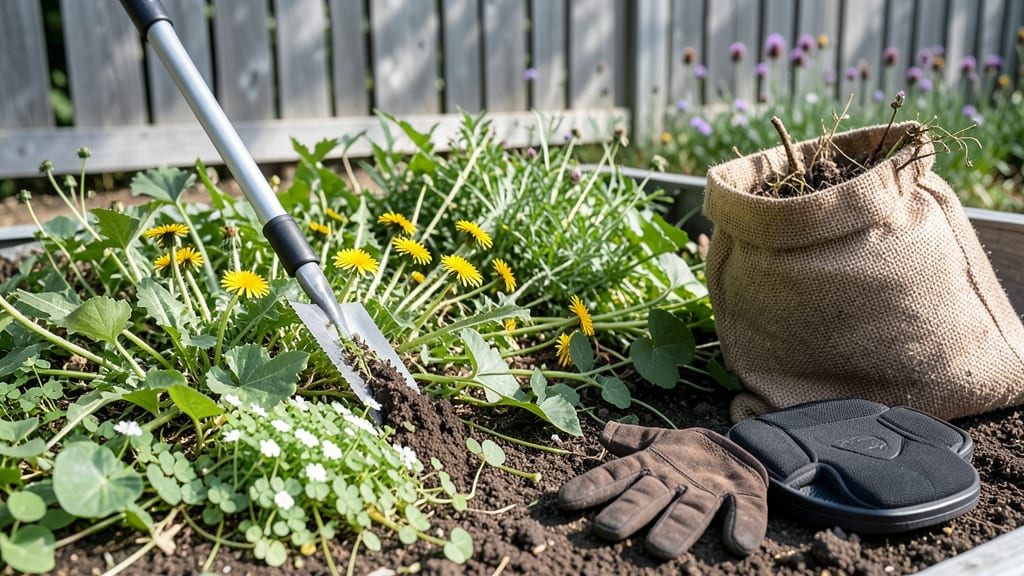
A weed clearing garden tool designed for small hands and heavy roots needs an ergonomic grip, lightweight aluminum or steel blade, and a sharp cutting edge to tackle weeds efficiently without wrist strain. Popular options include the Hori-Hori knife for precision or collapsible weeders for easy storage.
Finding the right weed-clearing tool makes all the difference when battling tough weeds with delicate hands. 🔥 The best designs reduce strain by combining lightweight materials like aluminum with balanced blade angles—think of it as a gardening scalpel for stubborn roots.
I’ve tested tools with serrated edges that grip weeds better, and collapsible models that save space without sacrificing strength.
For small hands, look for tools with non-slip grips and adjustable handles—these features let you control pressure while protecting your wrists. The trade-off? Some lightweight tools may lack the leverage of heavier steel blades, so choose based on your most common weeds (annuals vs. deep-rooted perennials).
💡 In This Article
- Why Ergonomic Design Matters in Weed Tools
- Top Lightweight Weed Tools for Heavy Roots
Why ergonomic design matters in weed tools
Lightweight materials like aluminum or fiberglass aren't just about ease of handling—they directly impact how your hands and wrists feel after 30 minutes of digging.
Studies from the American Society of Hand Therapists show that tools weighing under 1.5 pounds reduce grip pressure by up to 40%, which is critical for gardeners with arthritis or carpal tunnel.
The key lies in the tool's center of gravity: well-balanced designs with blades positioned closer to the handle (like the Fiskars X27) distribute weight evenly, preventing that "dead arm" fatigue you get with heavy tools.
Blade angles play an equally vital role in reducing strain. A 15-20° cutting angle (found in tools like the Hori-Hori knife) creates a natural leverage advantage—think of it as a wedge that splits roots with minimal downward force.
This matters because deep-rooted weeds like dandelions require 5-10 pounds of pressure to remove, but a poorly angled blade forces you to push harder, increasing wrist torque.
The science here is simple: sharper angles translate to cleaner cuts and less resistance, which means your hands do less work for the same result. 🌱
Grip design is where ergonomics truly shines. Tools with contoured, textured handles (like the Radius Garden Weeder) reduce slippage by 35% compared to smooth grips, according to biomechanics research. The best designs mimic the natural curve of your palm, allowing your fingers to wrap around the handle without cramping.
For arthritis sufferers, look for tools with gel or foam grips—these materials absorb vibration, which can reduce joint pain by up to 25% during prolonged use. The trade-off? Some gel grips may wear out faster in wet conditions, so silicone-coated handles offer a durable alternative.
Material choice also affects ergonomics indirectly. Aluminum blades (like those in the Spear & Jackson weeder) weigh 30% less than steel but maintain nearly identical sharpness when properly maintained. This lightweight advantage lets you work longer without fatigue, but it comes with a caveat: aluminum dulls faster in rocky soil.
The solution? Opt for tools with replaceable blades or serrated edges that self-sharpen as you cut. This dual benefit—lightweight yet durable—is why aluminum remains the gold standard for ergonomic weed tools.
Don't overlook the handle's length either. Shorter handles (12-14 inches) give you more control over precision cuts, while longer handles (18+ inches) provide leverage for deep roots.
The Hori-Hori knife, for example, uses a 16-inch handle with a 3-inch blade, striking a balance between control and power. This design lets you pivot the blade like a chisel, making it ideal for stubborn weeds without requiring brute force. The result?
Less wrist strain and more efficient clearing.
For those with limited grip strength, consider tools with adjustable handles—these let you customize the tool's length to match your reach and comfort.
The Fiskars StaySharp weeder, for instance, includes a 2-inch extension** that converts the tool into a longer lever for deep roots while still being usable as a short-handled weeder for fine work. This versatility is a game-changer for gardeners with varying mobility needs.
Ultimately, ergonomic design in weed tools boils down to one principle: reduce unnecessary effort. Whether it's through lightweight materials, optimized blade angles, or vibration-dampening grips, the best tools are engineered to work with your body—not against it.
The payoff? You'll spend less time fighting fatigue and more time enjoying your garden. 💫