
Flowers
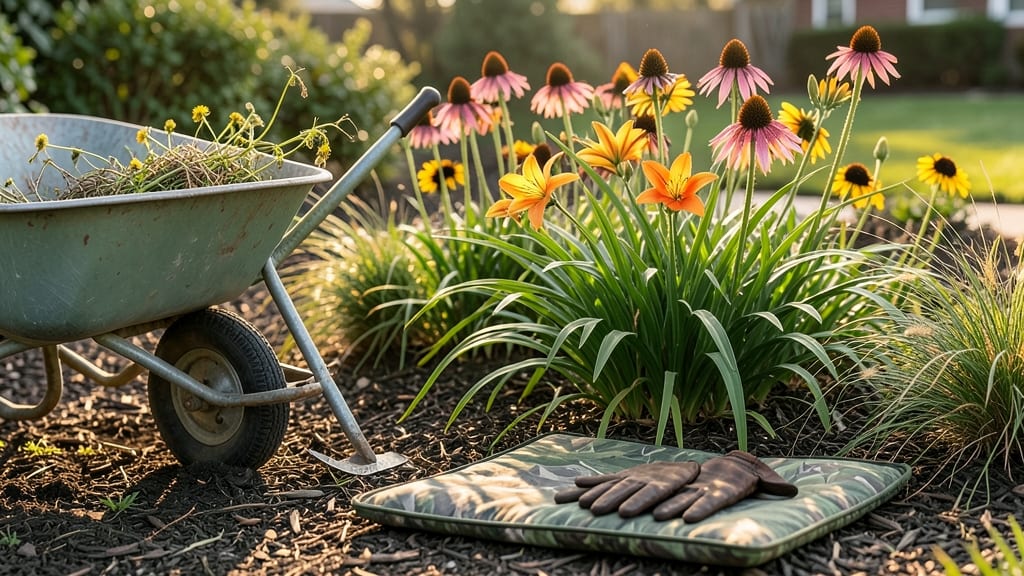
Weeding a flower bed transforms a chaotic mess into a thriving garden—without turning your hands into cactus needles. 🌱 The right tools and timing make all the difference, especially when dealing with stubborn weeds like dandelions or creeping Charlie that seem to multiply overnight.
I’ve spent years perfecting this process, and the key is combining the right technique with the least disruption to your plants.
Start with the basics: a sturdy hand weeder for deep roots, a hula hoe for broad areas, and gloves to protect your skin from prickly stems.
Work on a dry, sunny day when weeds are easiest to pull—soil stays loose, and you avoid the muddy mess that turns weeding into a chore. For organic gardeners, a sharp knife or digging fork works best to avoid spreading weed seeds buried in the soil.
You’ll notice a dramatic difference after just one session—weeds pull out cleanly, and your flowers breathe easier without competition. The secret is consistency: weekly maintenance keeps weeds from regrowing, while mulching after weeding suppresses new sprouts. Even stubborn perennials like bindweed weaken over time with this approach.
For long-term success, consider pre-emergent herbicides in early spring (organic options like corn gluten meal work well) or smothering weeds with cardboard before planting. The goal isn’t perfection—it’s sustainable control that keeps your flower bed looking its best with minimal effort. Let’s get those weeds out for good.
📚 In This Guide
- What you need
- Instructions
- Tips and common mistakes
- Wrapping up and next steps
What you need
- ● Hand Trowel or Weeding Knife: A sturdy, ergonomic tool (e.g., blank">Fiskars or blank">Radiah) with a sharp, pointed tip for precision. (1-2 units)
- ● Garden Gloves: Heavy-duty, nitrile-coated gloves (e.g., blank">Gloveworks) to protect hands from thorns and dirt. (1 pair)
- ● Garden Fork or Hoe: A stainless-steel fork (e.g., blank">Corona) for deep-rooted weeds or a serrated-edge hoe (e.g., blank">Dramm) for surface weeds. (1 unit)
- ● Garden Twine or String: For marking rows or tying back mulch. (50+ ft roll)
- ● Pruners: Bypass pruners (e.g., blank">Felco) for trimming stubborn weeds. (1 pair)
- ● Wheelbarrow or Bucket: A 10-15 gallon container for hauling debris. (1 unit)
- ● Kneeling Pad: A foldable, cushioned pad (e.g., Gorilla Grip) for comfort. (1 unit)
- ● Mulch: Shredded bark or straw (2-3 inches thick) to suppress future weeds. (1-2 bags, ~2-3 cubic feet)
- ● Vinegar or Herbicide: Natural (vinegar + dish soap) or glyphosate-free herbicide for tough patches. (1 gallon or spray bottle)
- ● Garden Spray Bottle: For targeted vinegar/herbicide application. (1 unit)
- ● Sun Hat & Water Bottle: Because no one enjoys a sunburn mid-weed! 😎
Step-by-Step guide to weeding a flower bed like a pro
Here’s how to tackle weeds efficiently without damaging your prized plants.
🪴 Step 1: Choose the Right Tools for the Job
Start with a hand weeder or horticultural knife—these let you target weeds at the root without disturbing surrounding soil. A garden fork works well for deeply rooted weeds like dandelions, while a long-handled weeder keeps your back happy for larger beds. I always keep a small bucket nearby to toss weeds into as I pull them.
Dress in long sleeves and gloves to protect your skin from thorns or sap. A knee pad saves your joints when you’re down on one for extended periods. The right tools make the difference between a frustrating chore and a satisfying session.
✂️ Step 2: Work When Soil Is Moist (But Not Soggy)
Weed on a cloudy day or early morning when the soil is damp—roots pull out cleanly without breaking. If the ground is dry, water the bed lightly the night before. You’ll see the difference immediately: weeds slide out effortlessly instead of snapping off at the surface.
Avoid weeding after rain when soil is waterlogged—it compacts easily, and you’ll risk damaging tender flower roots. I like to work when the top 2 inches of soil feel moist but not dripping. This is the sweet spot for clean removal.
🌱 Step 3: Pull Weeds at the Base, Not Just the Top
Grasp the weed just above the soil line and wiggle it gently to loosen the roots. For stubborn weeds like clover, use your tool to slice under the root crown before pulling. The goal is to remove the entire root system—any piece left behind will sprout again.
Watch for taproots (like dandelions) and dig deeper if needed. A quick tug won’t work here—you’ll need to pry or fork the root out. I always check the soil for leftover fragments; a missed piece means more work later.
💧 Step 4: Mulch to Prevent Future Weeds
After weeding, spread a 2-3 inch layer of mulch (straw, shredded leaves, or wood chips) over the bed. This blocks sunlight, which weeds need to germinate. Organic mulch also improves soil as it breaks down, feeding your flowers.
Keep mulch 6 inches away from plant stems to prevent rot. I like to refresh mulch every few months—it’s the easiest way to cut down on future weeding sessions. A well-mulched bed stays weed-free for weeks longer than bare soil.
☀️ Step 5: Repeat Weekly for Best Results
Weeds grow fast, so check your flower bed once a week during peak growing seasons. Even a few minutes of maintenance prevents weeds from stealing nutrients and water from your flowers. I set a reminder on my phone—consistency is key.
If weeds return in the same spots, dig deeper to uncover hidden roots or consider pre-emergent herbicide (organic options like corn gluten meal work well). A little prevention now saves hours later. Your flowers will thank you!
Tips & tricks for perfect flower bed maintenance
Turning weeding from a chore into a strategic garden ritual starts with these game-changing techniques.
Tool Selection Strategy: For Step 1, don't overlook the garden fork for deeply embedded weeds—it's your secret weapon for dandelions and quackgrass. I've found that a horticultural knife works best for weeds growing between flower stems where hand weeders struggle. Keep a small bucket nearby to collect weeds, but here's what nobody tells you—rinse it out with a hose afterward to prevent spreading weed seeds to other areas of your garden.
Soil Moisture Mastery: In Step 2, the ideal moisture level feels like a damp sponge—not dripping, not bone-dry. I test by squeezing a handful of soil: it should hold its shape but leave a faint print when pressed. The early morning is perfect because dew has settled, but direct sunlight hasn't evaporated moisture yet. This is why cloudy days work so well—they maintain that perfect dampness without the heat of midday sun.
Root Removal Technique: When tackling Step 3's stubborn weeds, I've learned that patience pays off. For weeds with taproots like dandelions, I make a small vertical cut with my knife before pulling to break the root system. The key is persistence—if you feel resistance, you're probably not deep enough. I always do a final inspection by running my fingers through the soil where the weed was to check for any remaining root fragments.
Mulching Optimization: For Step 4, consider using wood chips over straw if you're dealing with particularly aggressive weeds—they break down more slowly and provide better long-term suppression. I've found that applying mulch immediately after weeding creates a protective barrier that weeds can't penetrate. Pro tip: if you're using fresh grass clippings, let them dry out for 24 hours first to prevent matting.
Pro Tips for Weed A Flower Bed
- Turning weeding from a chore into a strategic garden ritual starts with these game-changing techniques.
- Tool Selection Strategy: For Step 1, don't overlook the garden fork for deeply embedded weeds—it's your secret weapon for dandelions and quackgrass.
- Soil Moisture Mastery: In Step 2, the ideal moisture level feels like a damp sponge—not dripping, not bone-dry.
Frequently asked questions
Got questions about tackling weeds in your flower bed? You’re not alone! Here are some of the most common concerns—and straightforward answers to help you get it done right.
When is the best time of year to weed a flower bed?
The ideal time to weed is early spring or late summer/fall, when weeds are actively growing but before they seed. Early mornings or evenings work best—soil is softer, and you’ll avoid the midday heat. For persistent weeds like dandelions, pull them before they bloom to stop seed spread. Pro tip: Rainy days make weeding easier, but avoid muddy conditions to protect your garden’s soil structure.
What’s the best tool for removing weeds without damaging flowers?
For delicate flower beds, a hand weeder (like a dandelion digger) or a hori-hori knife gives you precision. For larger areas, a hula hoe or weeding fork works great—just skim the surface to avoid disturbing roots of your plants. Always work alongside (not between) flowers to minimize risk. Gloves are a must to protect your hands from prickly stems!
Are there natural alternatives to chemical weed killers for flower beds?
Try these eco-friendly methods:
- Boiling water: Pour directly on weeds (avoid desirable plants).
- Vinegar + dish soap: Mix 1 gallon white vinegar + 1 tbsp soap; spray on weeds (reapply as needed).
- Corn gluten meal: Sprinkle as a pre-emergent to block weed seeds.
- Mulch: Apply 2–3 inches of organic mulch (straw, wood chips) to smother weeds and retain moisture.
Test vinegar solutions on a small area first—some plants may be sensitive!
How often should I weed my flower bed to keep it looking pristine?
Consistency is key! Check your flower bed weekly during growing seasons (spring-fall) and biweekly in winter. Weeds grow fastest in warm, moist conditions, so don’t let them go to seed—even small patches can multiply quickly. Dedicate 10–15 minutes every Sunday to quick maintenance; it’ll save you hours of backbreaking work later.
What do I do if weeds keep coming back no matter what I try?
Persistent weeds often mean roots or seeds remain in the soil. Try these fixes:
- Deep tilling: Rent a rototiller to break up compacted soil and expose buried weed roots (do this in early spring before planting).
- Landscape fabric: Lay a layer under mulch to block new weeds (leave edges buried to prevent light from sneaking through).
- Soil solarization: Cover the bed with clear plastic for 4–6 weeks in hot sun to kill weeds and pests.
If weeds like bindweed or nutsedge are taking over, they may need manual removal every few weeks—patience is key!
Wrapping up and next steps
Weeding your flower bed doesn’t have to be a chore—it’s all about the right tools, techniques, and a little patience! 🌸 Whether you’re a seasoned gardener or just starting out, keeping weeds at bay ensures your blooms thrive and your garden stays vibrant.
With the right approach, you’ll transform weeding into a satisfying (and even therapeutic!) part of your gardening routine.
Ready to take the next step? Start small—pick one section of your flower bed this weekend and tackle it with confidence. Over time, you’ll build a rhythm, and soon, your garden will be the envy of the neighborhood. Happy weeding! 🌱