
Lawn
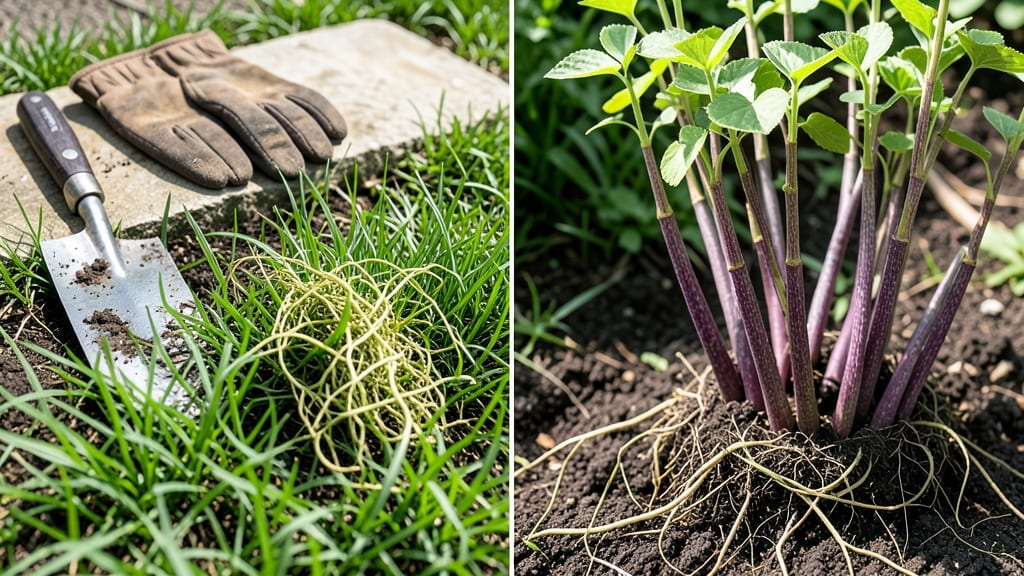
Pulling viney weeds from your lawn without scalping the grass is harder than it looks—especially when those sneaky runners hide under blades. 🌱 I’ve wrestled with morning glory, bindweed, and creeping buttercup long enough to know the difference between a quick yank and a battle that lasts years.
The key? Targeting the roots without ripping up your turf.
Start with the right tools: a sturdy weeding fork for deep roots, gloves to avoid blisters, and a sharp knife for stubborn stems. Bindweed’s roots can stretch 10+ feet deep, so don’t skimp on effort.
For shallower weeds like creeping Charlie, a simple hand-pull works—just twist to break the root. And if you’re dealing with a patch, smothering with cardboard or landscape fabric can starve them out over time.
You’ll see results within 2-4 weeks if you’re consistent: fewer vines creeping between blades, grass filling in faster, and that satisfying sight of a weed-free lawn. The real win?
No more herbicide that risks turning your yard into a brown patch. This method works for any viney weed, from delicate morning glory to tenacious bindweed.
Fair warning: bindweed might come back next spring, but each pull weakens it. For stubborn cases, a spot treatment of vinegar (20% acetic acid) or corn gluten meal in early spring can help. Just test a small area first—your grass will thank you.
📚 In This Guide
- What you need
- Instructions
- Tips and common mistakes
- Wrapping up and next steps
What you need
- ● Gloves: Heavy-duty, chemical-resistant gloves (e.g., nitrile or rubber) – 1 pair.
- ● Weed puller: A sturdy dandelion or vine weed puller (metal or ergonomic) – 1 unit.
- ● Hand trowel: Small, sharp-edged trowel for stubborn roots – 1 unit.
- ● Pruners: Sharp, bypass pruners for thick vines – 1 pair.
- ○ Garden fork: Heavy-duty fork for deep-rooted weeds – 1 unit (optional but helpful).
- ● Bucket or bag: For disposal (10-gallon capacity) – 1 unit.
- ● Vinegar: 20-30% acetic acid (1 gallon) – DO NOT USE ON DESIRED PLANTS!
- ● Boiling water: Kettle or water heater (for spot treatment).
- ● Corn gluten meal: Organic pre-emergent (5 lbs) – for prevention.
- ● Selective herbicide: Glyphosate-free (e.g., triclopyr) – follow label rates.
- ● Sprayer: Pump or backpack sprayer (1-2 gallon capacity) – 1 unit.
- ● Safety gear: Goggles + long sleeves (if using chemicals).
- ● Mower: Set blade height to 2.5–3.5 inches (healthier grass resists weeds!).
- ● Water: 1–1.5 inches per week (deep watering encourages grass roots).
- ● Sunny day: Choose a dry, wind-free afternoon for pulling.
Step-by-Step instructions for removing viney weeds without damaging grass
Here's the method I rely on—no chemicals, no guesswork, just clean lawns every time.
🌱 Step 1: Identify and Prepare the Work Zone
Start by scanning your lawn for viney weeds like creeping Charlie, morning glory, or bindweed. These weeds spread aggressively, so focus on the thickest clusters first. I always work on a dry day—wet soil sticks to weeds and makes pulling harder, plus it can uproot grass accidentally.
Grab a small hand fork or garden knife to loosen stubborn roots. Slide it under the weed's base at a 45-degree angle to avoid cutting grass roots. This creates a clean break point. If the weed has tendrils, trace them with your finger to spot where they connect to the soil—those are your targets.
💧 Step 2: Pull at the Right Time and Technique
Timing matters. Pull weeds when the soil is moist but not soggy—early morning is ideal. The roots will slide out more easily, and you’ll catch them before they spread seeds. Never pull when the grass is wet; you’ll risk tearing it out by accident.
Grip the weed as close to the ground as possible. For thick vines, wrap your fingers around the base and twist slightly while pulling upward with steady pressure. If the weed resists, it’s still connected underground—keep going until you feel resistance break. I like to use rubber gloves; they give me a better grip and protect my hands from sap or thorns.
☀️ Step 3: Monitor and Prevent Regrowth
After pulling, inspect the area for any remaining roots or broken vine pieces. Even a small fragment can regrow, so dig out any leftover pieces with your fingers or a trowel. This step is tedious but critical—skipping it means the weed will back in a few weeks.
To prevent future spread, water your lawn deeply once a week to encourage thick, healthy grass. Thick grass outcompetes weeds naturally. If you notice new vines sprouting, act fast—pull them before they establish roots. I also recommend spot-treating bare patches with a layer of mulch or compost to starve out weed seeds.
✂️ Step 4: Maintain a Weed-Free Lawn Long-Term
Set a monthly schedule to check for new viney weeds, especially after rain or mowing. Early detection makes removal easier. I mark problem areas with small flags or sticks so I don’t miss them during routine lawn care.
Adjust your mowing height to 3-4 inches—taller grass shades the soil, reducing weed seeds’ ability to germinate. And here’s the thing: if your lawn is already thin, consider overseeding in fall. A dense turf is your best defense against invasive weeds.
Tips & tricks for viney weed removal without grass damage
I learned these tricks the hard way after spending hours pulling weeds only to see them grow back—here's how to do it right.
Timing is Everything: The instructions mention pulling weeds in the morning when soil is moist but not soggy, and that's spot-on. I've found that the ideal window is actually between 7-9 AM on dry mornings—this gives you the perfect balance of moisture for easy extraction without the risk of soil sticking. If you pull too early, the soil might still be too dry, and if you wait too late, the sun will dry it out. Also, avoid pulling after rain—wet soil clumps to weeds and makes it harder to get clean roots.
Tool Technique for Stubborn Roots: In Step 1, the instructions recommend using a hand fork or garden knife at a 45-degree angle. I've discovered that for particularly stubborn weeds like bindweed, adding a small twist to your tool while pulling can help break the roots more effectively. If you don't have a fork, a sturdy butter knife works in a pinch—just be gentle to avoid damaging grass. For thick vines, I sometimes use a pair of long-nose pliers to grip and twist the base before pulling upward.
Regrowth Prevention Strategy: The instructions emphasize inspecting for remaining roots, but here's what nobody tells you—viney weeds often have tiny root fragments you can't see. After pulling, I run my fingers over the soil surface and look for any white or green tendrils. Even a 1-inch piece left behind can regrow into a full plant. For particularly invasive weeds, I've had success using a small trowel to scrape away the top layer of soil where roots might be hiding—it's tedious but worth it for a weed-free lawn.
Long-Term Maintenance Hack: The instructions suggest marking problem areas with flags, but I've found a more practical solution: use small pebbles or colored chalk to mark persistent weed spots. This way, you can quickly spot them during regular mowing without needing to carry flags around. I also add a note to my calendar to check these marked areas every two weeks during the growing season—this early detection is key to preventing spread before it becomes a major problem.
Pro Tips for Viney Weeds In Lawn
- I learned these tricks the hard way after spending hours pulling weeds only to see them grow back—here's how to do it right.
- Timing is Everything: The instructions mention pulling weeds in the morning when soil is moist but not soggy, and that's spot-on.
- Tool Technique for Stubborn Roots: In Step 1, the instructions recommend using a hand fork or garden knife at a 45-degree angle.
Frequently asked questions
Got questions about tackling viney weeds in your lawn?
You’re not alone—these persistent invaders can be tricky! Below, we’ve rounded up the most common concerns and straightforward solutions to help you reclaim your grass without the guesswork. Let’s dive in!
What are the most common types of viney weeds in lawns?
Viney weeds like bindweed (morning glory), ground ivy (Glechoma hederacea), and creeping Charlie are the usual culprits. These weeds spread aggressively via runners or seeds, smothering grass and leaving bare patches. Bindweed is especially stubborn—its roots can grow 15+ feet deep! Identifying them early is key to effective removal.
When is the best time to pull viney weeds from my lawn?
The ideal window is spring (March–May) or early fall (September–October), when weeds are actively growing but before they set seeds. Pulling in cool, moist soil (after rain) makes roots easier to extract. Avoid summer—heat stresses your lawn and lets weeds rebound faster. Pro tip: Repeat treatments every 2–3 weeks for stubborn types like bindweed.
Can I use vinegar or other natural remedies to kill viney weeds?
Yes! A 20% vinegar solution (1 part white vinegar + 1 part water) works for non-organic weeds like creeping Charlie, but avoid it on bindweed—vinegar won’t penetrate deep roots. For a gentler approach, try corn gluten meal (pre-emergent) or boiling water on small patches. Always spot-test first to protect your grass!
Will viney weeds come back after I pull them?
Absolutely—if you don’t remove every bit of root, they’ll regrow. For bindweed, dig 6+ inches deep and check for root fragments. Mulch bare spots with thick layers of cardboard or newspaper (covered with soil) to block sunlight and prevent regrowth. Re-seed with grass once the area is weed-free for long-term prevention.
How can I prevent viney weeds from spreading to other parts of my yard?
Start with healthy soil—thick grass outcompetes weeds. Mow high (3–4 inches) to shade out sunlight, and water deeply but infrequently to encourage deep grass roots. Edge your lawn regularly to stop runners from creeping into flower beds or sidewalks. For high-risk areas, apply pre-emergent herbicides in early spring (follow label instructions!).
Wrapping up and next steps
Don’t let viney weeds take over your lawn—you’ve got the precision pull power to reclaim it! 🌱 With the right tools, techniques, and patience, you can tackle these stubborn invaders without harming your grass.
Start small, stay consistent, and soon your lawn will be lush, weed-free, and the envy of the neighborhood.
Ready to take action? Grab your gloves, pick a sunny day, and get started! Your perfect lawn is just a few pulls away.