
Plants
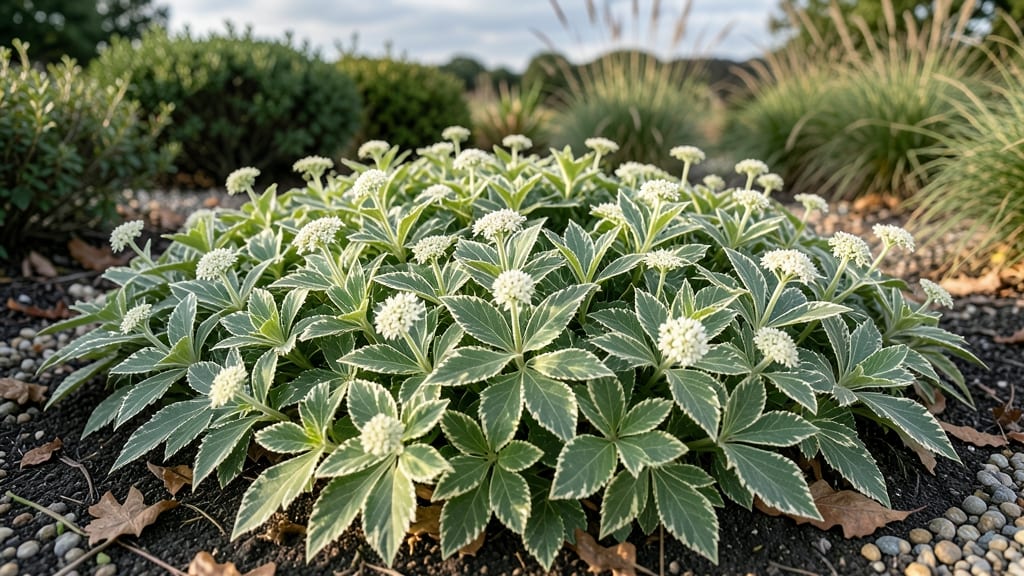
Variegated bishop's weed transforms shady corners into lush, fragrant privacy screens within just one growing season. 🌿 I’ve watched this fast-spreading ground cover go from a few divisions to a dense, thorn-free carpet in under 6 months—no fussy care required. The key?
Understanding its aggressive growth habits and working with them, not against them. This plant thrives in partial to full shade, making it perfect for problem areas where sunlight is scarce. It tolerates almost any soil type, though well-draining conditions prevent the root rot that can plague slower growers.
The variegated foliage—creamy white edges with deep green centers—stays vibrant all season long, even when other shade plants fade. Once established, bishop’s weed repels pests naturally and rarely needs pruning beyond occasional trimming to keep it tidy.
The real magic happens in spring, when new growth emerges with a fresh, almost citrusy scent that lingers in the air. It’s the kind of plant that makes neighbors ask, “What is that?”—and then want some for themselves.
For gardeners wary of invasiveness, I’ll show you how to contain it using simple edging techniques and strategic planting. Let’s make this your go-to shade solution!
📚 In This Guide
- What you need
- Instructions
- Tips and common mistakes
- Wrapping up and next steps
What you need
- ● Variegated bishop’s weed seeds or cuttings: 5–10 seeds (if starting from scratch)
- ● 3–5 healthy cuttings (4–6 inches long, with nodes) for faster growth
- ● Well-draining potting mix: 5–10 gallons (for containers) or amended garden soil (for in-ground planting)
- ● Organic compost or fertilizer: Balanced 10-10-10 or slow-release organic option (e.g., worm castings)
- ● Mulch: 2–3 inches of wood chips or shredded bark to retain moisture
- ● Pruning shears or sharp scissors: For trimming cuttings or shaping plants
- ● Garden trowel or transplanting spade: For digging holes (6–12 inches deep)
- ● Watering can or hose with a gentle nozzle: Avoid over-saturating roots
- ○ Gloves (optional but recommended): Protects hands from thorns (though variegated varieties are thorn-free!)
- ○ Support stakes or trellis (optional): For training vines in early growth
- ● Sunlight: Partial shade to dappled sunlight (4–6 hours/day)
- ● Climate: Hardy in USDA Zones 7–10; protect young plants from frost
- ● Space: 6–10 feet tall and wide at maturity—plan for a 10-foot radius per plant
- ● Water source: Consistent moisture (but not soggy soil)
Step-by-Step instructions for planting variegated bishop's weed
Here's how to establish a fragrant, thorn-free privacy screen that grows with surprising speed.
🌱 Step 1: Select and Prepare Planting Sites
Choose locations with full sun to partial shade—variegated bishop's weed tolerates both but grows most vigorously in 6+ hours of direct sunlight. The plant thrives in well-draining soil with a slightly acidic to neutral pH (6.0-7.0). Amend heavy clay soil with 2-3 inches of compost to improve drainage and fertility.
Dig holes twice as wide as the root ball but only as deep as the container. This encourages root spread rather than settling too low. Space plants 6-8 feet apart for a dense screen—closer spacing works for quicker coverage but may require more pruning later. Water the holes thoroughly before planting to help roots establish immediately.
🌿 Step 2: Plant and Establish Initial Watering
Remove the plant from its container and gently loosen the root ball with your fingers. This prevents root circling, which can strangle growth. Place the plant in the hole so the top of the root ball sits 1 inch below soil level—this prevents stem rot while encouraging strong root development.
Backfill with native soil mixed with 1 cup of compost per hole. Press gently around the base to eliminate air pockets but avoid compacting the soil. Water deeply to settle the soil and eliminate air gaps. You'll know it's right when water pools slightly at the surface but drains within 15-20 minutes. Mulch with 2-3 inches of shredded bark to retain moisture and suppress weeds.
☀️ Step 3: Provide Optimal Growing Conditions
Variegated bishop's weed grows fastest in 65-75°F temperatures with consistent moisture. Water 1-2 inches per week, more during the first growing season. Check soil moisture by pushing your finger 1 inch deep—water when dry. Overwatering causes root rot, while underwatering leads to leaf scorch and stunted growth.
Fertilize lightly in spring with a balanced 10-10-10 fertilizer applied at half strength. This encourages lush foliage without overstimulating growth. The variegated leaves contain chlorophyll, so they photosynthesize well but may need light shade during peak afternoon sun in hotter climates to prevent leaf burn.
✂️ Step 4: Prune for Density and Shape
Prune in early spring or after flowering to encourage bushier growth. Cut back leggy stems by one-third to promote branching. Remove any dead or diseased branches immediately to prevent spread. The plant responds well to pruning, so don't hesitate to shape it—just avoid cutting into old wood, which won't regrow.
For a faster screen, trim the top 1-2 inches off all stems after planting. This stimulates lateral branching and fills out the canopy more quickly. You'll see new growth within 2-3 weeks, signaling the plant is adapting well to its new home.
⏰ Step 5: Maintain Through the Growing Season
Monitor for pests like aphids or spider mites, which occasionally target new growth. Spray with a soapy water solution (1 tsp mild soap per quart of water) if you spot clusters of tiny insects. The plant's fragrant foliage naturally deters many pests, but early intervention prevents infestations.
By late summer, you'll notice the screen filling in quickly—this is when bishop's weed lives up to its "fast-growing" reputation. Reduce watering slightly in fall as growth slows, but keep the soil lightly moist. Mulch again in early winter to protect roots from temperature swings.
Tips & tricks for perfect variegated bishop's weed growth
Between us, these little details make all the difference when establishing your fragrant privacy screen.
Soil Preparation Insight: That 2-3 inches of compost isn't just about fertility—it's about creating the perfect drainage window. For heavy clay soils, mix in 20% perlite or coarse sand along with the compost to prevent waterlogging. The goal is to mimic the plant's natural woodland habitat where water drains quickly but nutrients remain available. Test your soil's drainage by filling a jar with your amended soil and water—it should drain completely within those 15-20 minutes mentioned in Step 2.
Planting Depth Secret: The 1-inch below soil level placement might seem minor, but it's critical for preventing stem rot while encouraging robust root development. Think of it as creating a natural collar that protects the vulnerable stem base. After planting, gently firm the soil around the base with your fingers—this creates better root-to-soil contact without compacting. A good test is that the plant should stand upright on its own without leaning.
Watering Strategy: The 1-2 inches per week guideline assumes average rainfall conditions. In hotter climates (especially above 75°F), you'll need to supplement with water during dry spells. The key is to water deeply but infrequently—this encourages deep root growth rather than shallow, drought-sensitive roots. I've seen plants establish twice as quickly when following this "deep and infrequent" approach compared to daily light watering.
Pruning Timing: That 2-3 week window after your initial trimming is your best opportunity to shape the plant's growth pattern. The new growth you'll see signals the plant is adapting to its new environment and ready for your guidance. For maximum density, prune again after these new shoots reach about 6 inches tall—this creates a bushier, more compact screen. Just remember to sterilize your pruners with rubbing alcohol between cuts to prevent disease spread.
Pro Tips for Variegated Bishop'S Weed
- Between us, these little details make all the difference when establishing your fragrant privacy screen.
- Soil Preparation Insight: That 2-3 inches of compost isn't just about fertility—it's about creating the perfect drainage window.
- Planting Depth Secret: The 1-inch below soil level placement might seem minor, but it's critical for preventing stem rot while encouraging robust root development.
Frequently asked questions
Got questions about growing variegated bishop’s weed? You’re not alone!
This fast-growing, fragrant plant is a favorite for privacy screens, but it’s natural to have a few uncertainties before diving in. Below, we’ve answered the most common questions to help you grow with confidence.
Is variegated bishop’s weed invasive?
While bishop’s weed (Pilea involucrata) is not considered highly invasive in most U.S. regions, it can spread aggressively in moist, shaded conditions. To keep it in check, prune regularly and monitor its growth, especially in areas with mild winters. Always check your local regulations before planting!
How fast does variegated bishop’s weed grow?
Expect rapid growth—this plant can shoot up 3–5 feet per year under ideal conditions! With proper care (sunlight, water, and soil), you’ll see noticeable height gains within just a few months. Perfect for quick privacy solutions, but be ready to trim it back to maintain your desired shape.
How much water does it need?
Variegated bishop’s weed thrives in consistently moist (but not soggy) soil. Water deeply 1–2 times per week, depending on your climate. During hot, dry spells, mulch around the base to retain moisture. Overwatering can lead to root rot, so ensure good drainage!
Can I grow variegated bishop’s weed in containers?
While it’s often planted as a hedge, this variety does well in large containers (at least 18–24 inches deep). Use a well-draining potting mix and repot every 2–3 years to refresh nutrients. Just be mindful that container-grown plants may grow slightly slower than in-ground specimens.
Are there pests or diseases I should watch for?
This hardy plant is generally pest-resistant, but keep an eye out for aphids or spider mites in dry conditions. Yellowing leaves may signal fungal issues (like powdery mildew) if humidity is too high. Improve airflow with pruning and avoid overhead watering to prevent problems.
Is variegated bishop’s weed cold-hardy?
It handles light frosts down to 10–15°F (-12 to -9°C), but heavy snow or prolonged cold may damage foliage. In colder zones (below Zone 7), grow it as an annual or protect it with mulch. Its variegated leaves are stunning but slightly less frost-tolerant than the solid-green variety.
What’s the difference between variegated and regular bishop’s weed?
The variegated version features creamy-white or pink streaks on its leaves, adding visual interest to your privacy screen. While both grow similarly, the variegated type may grow slightly slower due to its decorative foliage. Choose it for aesthetic appeal if you’re okay with a touch more maintenance!
Wrapping up and next steps
Variegated Bishop’s Weed is a fantastic choice for gardeners seeking a fast-growing, fragrant, and low-maintenance privacy screen—without the hassle of thorns! 🌿 With its striking variegated foliage and rapid growth, it’s perfect for adding both beauty and functionality to your outdoor space.
Whether you’re a beginner or a seasoned gardener, this plant delivers big results with minimal effort.
Ready to transform your yard? Start by gathering your supplies, picking the right location, and giving this hardy plant the care it deserves. Plant a row today—your future shady oasis awaits! 🌱