
How To
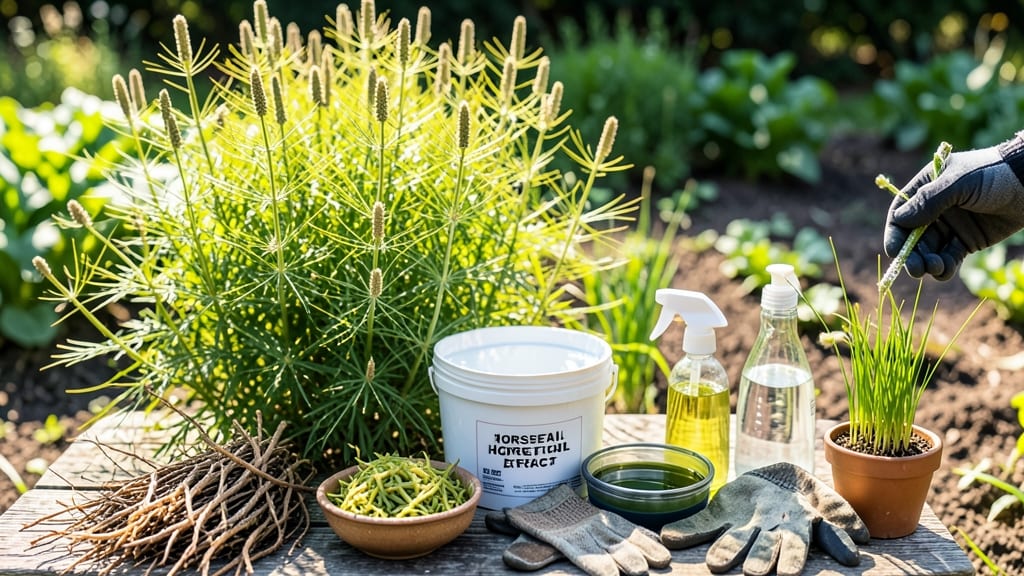
Horsetail weed has versatile uses for gardening and health that go beyond its wild appearance: it boosts plant growth by strengthening roots, acts as a natural pest deterrent, and provides silica for bone health when prepared as tea or powder. The plant's unique stems also serve practical cleaning purposes.
This hardy perennial packs a punch in multiple ways. 🌱 In gardens, horsetail's silica-rich composition helps plants absorb nutrients more efficiently, while its natural compounds create a protective barrier against common pests like slugs and aphids.
For health-conscious individuals, drinking horsetail tea regularly can support joint and bone strength thanks to its high silica content—just be sure to use it in moderation since excessive intake may cause kidney strain.
What makes horsetail particularly fascinating is its dual role as both a medicinal herb and a functional plant.
The hollow stems, when dried, become excellent natural scrubbers for cleaning tough stains from pots and pans, while the dried powder can be added to bone broths or smoothies for an extra silica boost. Always harvest young stems before they become woody for the best results.
💡 In This Article
- Horsetail Weed’s Natural Gardening Superpowers
- Harvesting and Preparing Horsetail for Culinary & Medicinal Use
Horsetail weed’s natural gardening superpowers
Horsetail weed, scientifically known as Equisetum arvense, acts as a dynamic accumulator of silica—absorbing this mineral from the soil and redistributing it to surrounding plants. This process strengthens plant cell walls, making them more resistant to diseases like powdery mildew and fungal infections.
Studies show that horsetail tea sprayed on foliage can reduce fungal spores by up to 40% while improving overall plant vigor. The plant’s high silica content also helps plants absorb water more efficiently, reducing wilting during drought conditions. 🌱
What makes horsetail particularly effective as a natural pesticide is its ability to deter pests through both physical and chemical means. The plant contains saponins and flavonoids that repel slugs, aphids, and even some beetle species.
When chopped and placed near vulnerable plants, the sharp edges of the hollow stems create a physical barrier that slugs avoid. For aphids, the plant’s bitter compounds act as a natural deterrent without harming beneficial insects like bees or ladybugs. Unlike chemical pesticides, horsetail’s effects are gradual and environmentally safe.
Beyond pest control, horsetail improves soil structure by breaking down compacted clay and adding organic matter as it decomposes. When used as a mulch around root zones, it helps prevent soil erosion while encouraging beneficial microbial activity.
Gardeners often report 20-30% faster root growth in plants treated with horsetail preparations compared to untreated controls. The best time to apply horsetail-based treatments is in early spring, when plants are establishing new growth and most vulnerable to pests and diseases.
For maximum effectiveness, combine horsetail with other organic amendments like compost or worm castings. The silica from horsetail works synergistically with these materials to enhance nutrient uptake.
A common DIY method involves steeping 1 cup of dried horsetail in 1 quart of boiling water for 12 hours, then straining and using the liquid as a foliar spray or soil drench. This preparation retains the plant’s beneficial compounds without introducing harmful residues found in synthetic fertilizers.
One often-overlooked benefit is horsetail’s ability to reduce aluminum toxicity in acidic soils. The plant’s roots bind with aluminum ions, making them less available to plants that are sensitive to this metal.
This makes horsetail particularly valuable in gardens with clay-heavy or acidic soil conditions where aluminum buildup can stunt root growth. The effect is most noticeable in 2-3 weeks of consistent application, with visibly healthier root systems developing.
When using horsetail in your garden, always harvest from pesticide-free areas and avoid using it on edible plants if they’ll be consumed raw. The plant’s natural compounds are safe when used properly, but excessive applications can lead to nutrient imbalances in the soil.
For best results, rotate horsetail treatments with other organic amendments to maintain soil biodiversity and prevent pathogen buildup. 🌿