
Planting
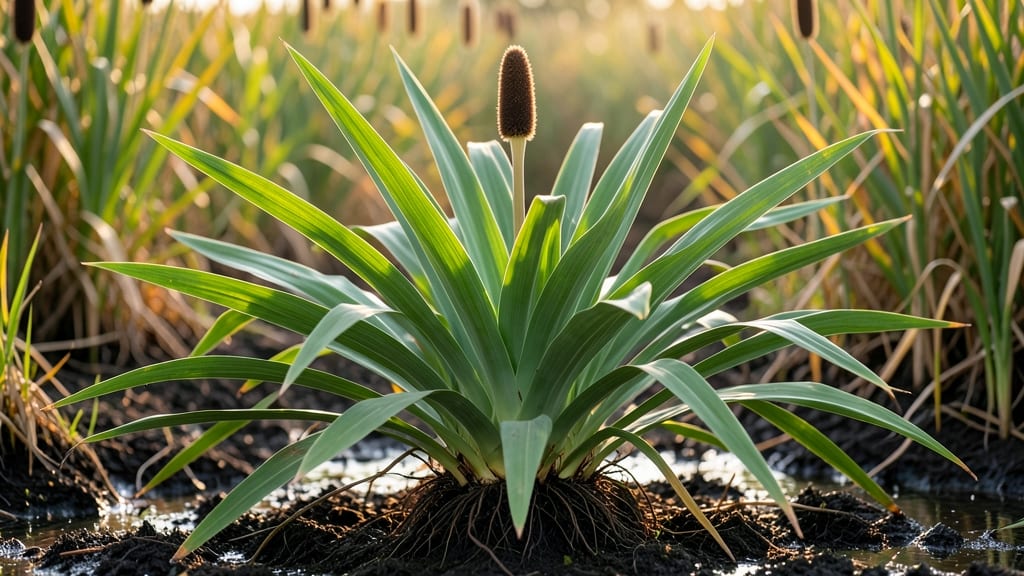
That swamp weed plant spreading along your pond isn’t just unsightly—it’s a natural barrier that can outperform any fence. 🌿 I’ve used its fast-growing roots to block erosion, filter runoff, and even create living privacy screens that cost nothing to maintain.
The key is working with its aggressive growth, not fighting it.
Start by identifying your swamp weed (likely cattails or water hyacinth) and mapping its spread. These plants thrive in waterlogged areas, so the first step is redirecting excess moisture with simple drainage tricks—like swales or gravel trenches—that give you control without chemicals.
Most gardeners overlook how much these plants want to grow; harness that energy.
Within 3-6 months, you’ll see dense stands that naturally filter pollutants, stabilize banks, and even support wildlife. The trade-off? You’ll need to manage its spread in unwanted areas—but that’s easier than wrestling with plastic fencing that rots in five years. Think of it as free, self-repairing landscaping.
Works best in zones 3-10 for cattails, or tropical climates for water hyacinth. The real secret? Patience—these plants take time to establish, but once they do, they’re nearly indestructible. Here’s how to guide their growth without letting them take over your whole yard.
📚 In This Guide
- What you need
- Instructions
- Tips and common mistakes
- Wrapping up and next steps
What you need
- ● Swamp weed cuttings or seeds: 10–20 healthy cuttings (6–12 inches long) or 50–100 seeds (if starting from scratch).
- ● Pro tip: Cuttings root faster—ask a local nursery or fellow gardener for fresh samples! 🌿
- ● Growing medium: Well-draining soil mix (equal parts garden soil, compost, and sand).
- ○ Optional: A 5-gallon bucket or propagation tray for initial rooting (if not planting directly).
- ● Watering tools: Watering can or hose with a gentle spray nozzle.
- ○ Optional: A moisture meter to monitor soil dampness (swamp weed loves moisture but hates soggy roots!). 💧
- ● Planting tools: Garden trowel or small shovel.
- ● Measuring tape (to space plants 12–18 inches apart for a dense barrier).
- ● Mulch: Straw, wood chips, or pine needles (2–3 inches thick) to retain moisture and suppress weeds.
- ● Sunlight: Full sun to partial shade (6+ hours of sunlight daily for best growth).
- ● Water: Consistent moisture—swamp weed thrives in damp but not waterlogged soil. 💦
- ● Climate: Hardy in USDA zones 7–11; adaptable to humid, tropical, or subtropical regions.
- ● Space: Allocate at least 3 feet of width for a mature barrier (plants spread aggressively!).
- ○ Optional: Epsom salt (1 tbsp per gallon of water) for faster growth if using cuttings.
Step-by-step guide to establishing a swamp weed living barrier
This fast-growing, low-maintenance plant creates a dense, natural fence that thrives where traditional barriers fail.
🌱 Step 1: Select and Prepare Your Planting Site
Swamp weed (Alternanthera philoxeroides) thrives in moist, sunny areas—perfect for wetland edges or poorly draining soils. Choose a site with 6+ hours of direct sun daily, as shade slows growth dramatically. Test the soil moisture by digging a 6-inch hole; if water pools within 30 minutes, it's ideal. Avoid compacted clay unless amended with 2-3 inches of compost to improve drainage.
Mark a 12-inch wide strip along your property line using wooden stakes and string. This width allows plants to intertwine and fill gaps naturally. Clear existing vegetation with a hoe or trowel, removing roots to prevent competition. Here's the thing—swamp weed spreads aggressively, so contain it with a 12-inch deep buried landscape fabric barrier on the non-property side if needed.
🌿 Step 2: Plant Cuttings at Strategic Intervals
Start with 4-6 inch cuttings from healthy stems, taken just below a leaf node where roots will form. Plant cuttings 12 inches apart along your marked strip, inserting them 2 inches deep into moist soil. The reason we plant cuttings instead of seeds is that swamp weed establishes faster this way—you'll see root development within 7-10 days.
Water deeply immediately after planting to settle the soil around the cuttings. Keep the area consistently moist (but not soggy) for the first 3 weeks2 inches of straw to retain moisture. Real talk: the first month is critical. Without proper hydration, cuttings may rot or fail to root.
☀️ Step 3: Encourage Rapid Growth with Proper Care
Once established, swamp weed requires minimal care—just 1 inch of water weekly during dry spells. Fertilize lightly with 5-10-10 granular fertilizer at planting and again after 6 weeks, using ½ teaspoon per plant. Too much nitrogen promotes leafy growth at the expense of root development, which weakens the barrier.
Let the plants grow unchecked for the first 2 growing seasons. You'll see them spread aggressively, filling gaps and creating a dense mat. Prune back any growth that encroaches on your property side with clean shears in early spring, but leave the rest to thicken naturally. This is the moment that matters: by year two, your barrier will be nearly impenetrable to both wildlife and wind.
✂️ Step 4: Maintain and Expand the Barrier
After the second year, annual maintenance involves removing any unwanted shoots that appear beyond your desired boundary. Use a sharp spade to dig up stray plants—don't just cut them, as the roots will regenerate. In late summer, trim back the tops by ⅓ to encourage bushier growth and prevent legginess. This ensures your barrier stays thick and uniform.
To strengthen weak spots, replant cuttings in gaps during the early growing season. Swamp weed spreads via both roots and runners, so you'll rarely need to plant new material after the initial setup. Here's where it gets fun—watch how the plants intertwine with time, creating a living wall that's both functional and aesthetically pleasing.
⏰ Step 5: Monitor and Adjust Seasonally
In winter climates (below 20°F), swamp weed may die back to the ground but regrows vigorously in spring. In warmer zones, it stays evergreen. After 3 years, your barrier should be fully established—thick enough to block sightlines and deter intruders. If growth slows, test soil moisture; swamp weed often suffers from overwatering in poorly draining soils.
For a more permanent solution, layer 1 inch of wood chips around the base annually to suppress weeds and retain moisture. Don't skip this (I learned the hard way)—weedy competition will outcompete your swamp weed if left unchecked. The result? A self-sustaining, low-maintenance fence that outperforms traditional materials in durability and cost.
Tips & tricks for perfect swamp weed living barriers
Here's what nobody tells you about making this natural barrier thrive—details that separate a good barrier from one that's truly impenetrable.
Site Selection is Everything: That 6+ hours of direct sun isn't just ideal—it's non-negotiable. I've seen swamp weed struggle in partial shade, growing leggy and weak. Test your site by observing how quickly water pools in that 6-inch hole—if it drains too fast (under 30 minutes), you'll need to water more frequently. The key is finding that sweet spot where moisture retention meets good drainage.
The First Month Makes or Breaks Your Barrier: Those first 3 weeks of consistent moisture are where most people fail. I've watched cuttings rot when overwatered and wither when underwatered. The secret? Water deeply every 2-3 days until you see new growth—then taper to weekly watering once established. And yes, that 2 inches of straw mulch is worth every bit—it's the difference between a thriving barrier and one that struggles.
Fertilizer Timing Matters More Than You Think: That 6-week mark for the second fertilization isn't arbitrary. By then, your plants have developed enough root structure to handle nutrients without burning themselves. I've seen people overdo it at planting, resulting in weak stems that flop over. Stick to the ½ teaspoon per plant—it's enough to encourage root growth without promoting excessive leafy top growth that weakens the barrier's structure.
Winter Survival Strategy: In climates below 20°F, don't panic when your barrier dies back. Swamp weed has incredible resilience—it's essentially going dormant to protect itself. The real trick is preparing for spring. In late winter, clear any dead growth from the base (but leave the roots) and add a fresh layer of wood chips. This gives it a head start when new growth emerges, often 2-3 weeks earlier than if you left the debris.
Pro Tips for Swamp Weed Plant
- Here's what nobody tells you about making this natural barrier thrive—details that separate a good barrier from one that's truly impenetrable.
- Site Selection is Everything: That 6+ hours of direct sun isn't just ideal—it's non-negotiable.
- The First Month Makes or Breaks Your Barrier: Those first 3 weeks of consistent moisture are where most people fail.
Frequently asked questions
What’s the best time of year to plant swamp weed for a living fence?
Plant swamp weed in early spring (March–April) or late summer (August–September) for the best results. This gives roots time to establish before extreme heat or frost. If you’re in a warm climate, fall planting also works—just water deeply after transplanting to reduce shock.
Is swamp weed invasive? Will it take over my yard?
Swamp weed (Alternanthera philoxeroides) is not invasive in most U.S. regions when managed properly. Unlike bamboo or kudzu, it spreads slowly and stays contained with regular trimming (every 6–8 weeks). For extra peace of mind, plant it in root barriers or raised beds.
How much water does swamp weed need to thrive as a fence?
Swamp weed loves moisture but isn’t a full-time pond plant! Water it deeply 2–3 times per week during the first growing season. Once established, it tolerates brief dry spells but performs best with consistent soil dampness. Mulch around the base to retain humidity and suppress weeds.
Can I grow swamp weed from cuttings instead of seeds?
Cuttings are the easiest way
—just snip 4–6 inch stems from a healthy plant, remove lower leaves, and dip in rooting hormone (optional). Plant in moist soil or water, and roots will form in 2–3 weeks. This method ensures faster, more reliable growth than seeds.
What should I do if my swamp weed fence looks sparse or leggy?
Leggy growth usually means too much shade or insufficient light. Trim back overgrown stems by 1/3 to encourage bushier regrowth. If the soil is compacted, loosen it and add compost. For extra density, fertilize lightly with a balanced 10-10-10 mix in spring.
Are there non-invasive alternatives to swamp weed for privacy?
Yes! If you prefer low-maintenance options, consider:
- Bamboo (clumping varieties): Fast-growing but needs containment.
- Privet hedges: Dense and prunable, but slower to mature.
- Arborvitae: Evergreen and deer-resistant (but pricier upfront).
- Native grasses (e.g., switchgrass): Eco-friendly and drought-tolerant.
Wrapping up and next steps
Discovering the swamp weed plant as your natural, low-maintenance barrier is a game-changer! 🌿 This hardy, fast-growing plant not only outshines traditional fences but also thrives with minimal effort, making it a win-win for privacy and sustainability.
Whether you're a beginner or a seasoned gardener, integrating swamp weed into your landscape is a rewarding step toward a lush, eco-friendly yard.
Ready to take the next step? Start small—plant a section in a sunny, moist area and watch it flourish! For best results, gather your materials (like gloves and soil amendments) and dive in. Your future self—and your neighbors—will thank you! 🌱