
Pests and Diseases
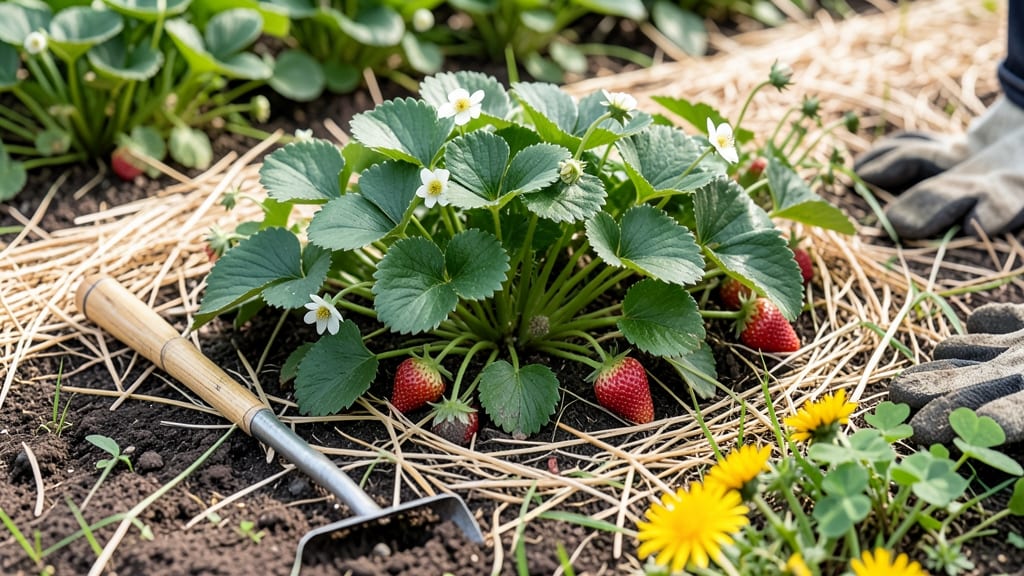
Strawberry weed control starts with a simple truth: the best time to fight weeds is before they steal your berries. 🌱 I used to spend hours digging around my plants, only to see new weeds pop up the next day—until I discovered the no-dig method that actually works.
The secret isn’t brute force; it’s smart timing, the right tools, and a few clever tricks that keep your strawberries thriving while choking out competition.
You’ll need three things: patience (weeds don’t disappear overnight), a sharp hoe or hand weeder (dull tools make the job harder), and a thick layer of organic mulch (straw or wood chips work best).
The key is working when weeds are young—pull them before they go to seed, and you’ll save yourself endless future battles. Pre-emergent herbicides can help, but use them sparingly and only when strawberries aren’t actively growing.
By the end of the season, your strawberry bed will look like a lush, weed-free carpet of green, with berries ripening right at your fingertips. The plants stay healthier because you’re not disturbing their roots, and the mulch keeps moisture locked in while blocking sunlight from weed seeds.
It’s the kind of control that turns a messy patch into a productive, low-maintenance harvest zone.
This method works year-round, but spring and fall are the sweet spots for long-term success. Whether you’re dealing with crabgrass, clover, or chickweed, the same principles apply: act early, mulch thick, and let the strawberries shine. No digging required—just smarter, cleaner results.
📚 In This Guide
- What you need
- Instructions
- Tips and common mistakes
- Wrapping up and next steps
What you need
- ● Gloves – Heavy-duty, chemical-resistant gloves (e.g., nitrile or rubber) to protect your hands. Quantity: 1 pair.
- ● Weed control method of choice: Organic options: Corn gluten meal (pre-emergent) – 10-20 lbs per 100 sq ft.
- ● Vinegar (20-30% acetic acid) – 1 gallon (for spot treatment).
- ● Boiling water – 5+ gallons (for targeted pour-over).
- ● Chemical options: Glyphosate-based herbicide (e.g., Roundup) – 1 gallon (follow label instructions).
- ● Selective herbicide (e.g., oxyfluorfen) – 1 quart (for strawberry-safe use).
- ● Hand tools: Garden hoe or stirrup hoe – 1 (for shallow soil disturbance).
- ● Weeding knife or dandelion digger – 1 (for precision removal).
- ● Garden trowel – 1 (for small, delicate areas).
- ● Water source – Hose with adjustable nozzle or watering can (for rinsing or diluting solutions).
- ● Spray bottle or pump sprayer – 1-2 (for vinegar/chemical applications).
- ● Mulch – Straw, wood chips, or landscape fabric – Enough to cover 2-3 inches (post-weed control).
- ● Kneeling pad – For comfort during long sessions. 🧘♂️
- ● Sun hat & sunscreen – Especially for midday weed wars.
- ● Trash bags – For disposing of pulled weeds (prevents reseeding!).
- ● Soil solarizer – Clear plastic sheeting (4-6 mil thickness) to smother weeds in sunny climates.
- ● pH test kit – To ensure your soil is optimal (6.0-6.5) for strawberries and weed control effectiveness.
Step-by-Step guide to controlling weeds in strawberry beds
Here's how I keep weeds at bay without digging—so your strawberries thrive with minimal effort.
🌱 Step 1: Apply a Thick Layer of Mulch
Spread 3-4 inches of organic mulch—like straw or wood chips—directly over the soil surface. This blocks sunlight from reaching weed seeds, which need light to germinate. I use straw mulch because it breaks down slowly and adds organic matter as it decomposes. Keep the mulch 2-3 inches away from the base of strawberry plants to prevent rot.
Water the mulch lightly after applying to help it settle and make contact with the soil. You’ll see fewer weeds popping up within 1-2 weeks as the mulch smothers existing weed seeds. This method also conserves moisture, so you’ll water less frequently.
💧 Step 2: Hand-Pull Weeds Before They Seed
Check your strawberry beds weekly for weeds that slip through the mulch. Focus on young weeds—those with small leaves or just sprouted—because they’re easiest to remove. Grab the weed at its base and pull upward firmly; the whole root should come out cleanly. If the soil is dry, water it first to loosen the roots.
Real talk: Don’t let weeds go to seed. A single dandelion can produce thousands of seeds, and they’ll take over your strawberry patch in no time. I always pull weeds when the soil is moist—it’s easier, and you won’t leave stubborn root fragments behind.
☀️ Step 3: Use Landscape Fabric for Heavy Weed Pressure
If your strawberry bed is already overrun with weeds, lay down landscape fabric before mulching. Cut holes in the fabric to fit around each strawberry plant, then cover the rest of the bed completely. This creates a barrier that weeds can’t penetrate. Secure the edges with landscape staples or rocks to keep it in place.
After installing the fabric, add 2-3 inches of mulch on top to hide the fabric and improve the bed’s appearance. This combo smothers weeds while still allowing water and nutrients to reach your strawberries. Check the fabric occasionally for tears and repair them immediately.
✂️ Step 4: Trim and Maintain Plant Canopies
Keep strawberry plants well-spaced and pruned to reduce shade on the soil. Remove any runners that spread too far, as they can create gaps where weeds take hold. Trim back leaves that block sunlight from reaching the mulch—this keeps the bed open and weed-free. I prune every 2-3 weeks during the growing season to stay ahead of weed growth.
Here’s the thing—healthy strawberry plants outcompete weeds naturally. When your plants are thriving, they leave less space for weeds to establish. Focus on keeping the foliage tidy, and you’ll spend far less time pulling weeds later.
⏰ Step 5: Schedule Regular Maintenance Checks
Set a reminder to inspect your strawberry beds every 7-10 days, especially after rain. Weeds grow fastest in moist soil, so this is when they’ll pop up most aggressively. Spend 5-10 minutes per bed pulling any new weeds before they mature. Consistency is key—10 minutes of weeding now saves 2 hours later.
I like to do this on a weekend morning with a cup of coffee in hand. It’s a simple habit that keeps my strawberry patch looking neat and productive all season long. Over time, you’ll notice fewer weeds because the mulch and fabric do most of the work for you.
Tips & tricks for perfect strawberry weed control
Here’s how to make your strawberry patch weed-free with even less effort than the steps already outlined.
Mulch Depth Matters: When applying that 3-4 inch layer of mulch in Step 1, think of it like a blanket for your soil. The key is consistency—don’t let it thin out over time. I top up my mulch every 3-4 weeks during peak growing season to maintain that protective barrier. If you notice gaps forming, especially near plant bases, add more immediately. This prevents sunlight from reaching weed seeds that might still be dormant in the soil.
Timing is Everything for Weeding: Those weekly checks in Step 2 are non-negotiable, but here’s the secret: do them right after watering. The soil stays moist for about 10 minutes after watering, making weeds slide out effortlessly. I set a phone reminder for "10 minutes after watering" so I don’t forget. This simple timing adjustment cuts your weeding time in half while ensuring you get the whole root.
Landscape Fabric Hack: For Step 3, when using landscape fabric, I’ve found that adding a thin layer of sand or small gravel underneath before placing the fabric makes a world of difference. This creates tiny air pockets that help with drainage while still blocking weeds. Plus, it prevents the fabric from directly touching the soil, which can sometimes lead to mold or rot over time. Just sprinkle about ¼ inch of sand before laying the fabric.
Pruning Strategy: In Step 4, when trimming runners, don’t just cut them off—use them! Those healthy runners can be replanted in new areas to expand your strawberry patch. I keep a small bucket nearby while working and replant the strongest runners immediately. This turns a chore into free propagation while keeping your beds weed-free. The key is to trim runners when they’re about 6 inches long—they’re most vigorous at this stage.
Pro Tips for Strawberry Weed Control
- Here’s how to make your strawberry patch weed-free with even less effort than the steps already outlined.
- Mulch Depth Matters: When applying that 3-4 inch layer of mulch in Step 1, think of it like a blanket for your soil.
- Timing is Everything for Weeding: Those weekly checks in Step 2 are non-negotiable, but here’s the secret: do them right after watering.
Frequently asked questions
Got questions about keeping weeds at bay in your strawberry patch?
Here are some of the most common concerns—and straightforward answers to help you grow lush, weed-free berries with ease.
When is the best time to tackle weeds in strawberry beds?
For pre-emergent control, apply mulch or herbicides in early spring (before weeds sprout). For post-emergent weeds, pull or treat them after rain when soil is soft—weekends are ideal! Avoid disturbing strawberry roots, so focus on the edges of rows first.
Can I use vinegar or boiling water to kill weeds in strawberries?
While vinegar (10-20% acetic acid) or boiling water can kill weeds, they’re not ideal for strawberries. Vinegar may harm nearby plants, and boiling water can disrupt soil microbes. Instead, opt for targeted hand-pulling or corn gluten meal (a natural pre-emergent).
What’s the fastest way to stop weeds from regrowing?
Weeds often return because their roots or seeds linger. To break the cycle:
- Solarize soil (cover with clear plastic for 4-6 weeks in hot sun).
- Use cardboard or thick mulch (straw, wood chips) to block light.
- Apply corn gluten meal in fall to prevent seed germination.
Are there organic herbicides safe for strawberries?
Yes! Look for these OMRI-listed options:
- Corn gluten meal (pre-emergent, suppresses weeds).
- Horticultural vinegar (spot-treat dandelions, but avoid plants).
- Clove oil or citrus oil (natural post-emergent herbicides).
Why do weeds keep coming back even after I mulch?
Persistent weeds often mean hidden seeds or underground roots (like nutsedge). Try this:
- Add 2–3 inches of mulch (straw or shredded leaves) to smother remaining weeds.
- Hand-pull any visible regrowth immediately.
- Consider a cover crop (like clover) in off-seasons to outcompete weeds.
Wrapping up and next steps
Mastering strawberry weed control without digging is totally doable—and your garden will thank you! 🌱 By using precision tools like the Weed Dragon or natural mulches, you’ll protect your strawberries while keeping your soil healthy.
Start small, stay consistent, and soon your patch will be thriving with fewer weeds and more berries.
Ready to take action? Pick one method from this guide and give it a try this weekend. Your future strawberry harvests will be sweeter—and easier—because of it! 🍓✨