
Planting
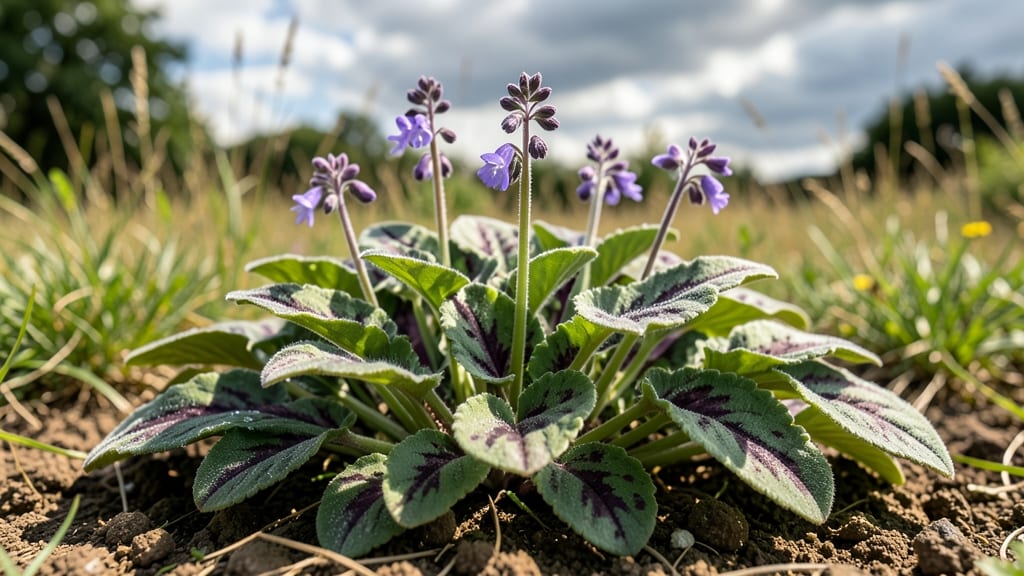
That clinging, sap-covered weed taking over your garden isn’t just annoying—it’s a fast-growing nightmare that smothers your plants before you can say "privacy hedge." 🌿 I’ve wrestled with sticky weeds like Pilea depressa and Galium aparine, and I’ll show you how to outsmart them without gloves, goggles, or harsh chemicals that harm your soil (or your skin).
The key? Timing and technique. Pull them when soil is moist (they’ll slip right out), or smother them with thick mulch before they seed. Vinegar spray works for spot treatment, but test it first—some plants can’t handle the acidity.
And if you’ve got kids or pets, skip the chemical route entirely; these weeds are tough but not untouchable. You’ll reclaim your garden in under 30 minutes with the right approach, and your desired plants will thank you for the extra space. The secret weapon?
A mix of manual removal and preemptive barriers—like landscape fabric—to keep them from staging a comeback. Once you’ve cleared them, focus on fast-growing alternatives like bamboo or ornamental grasses for that instant privacy screen. No more sticky surprises, just lush, thorn-free greenery. Let’s get started!
📚 In This Guide
- What you need
- Instructions
- Tips and common mistakes
- Wrapping up and next steps
What you need
- ● Sticky weed plant (seeds, cuttings, or nursery-grown plants): Seeds: 10–20 seeds (germination rate ~70–80%)
- ● Cuttings: 3–5 healthy 4–6" stems (root in water first!)
- ● Plants: 3–5 mature plants (12–18" tall) for a small screen
- ● Well-draining potting mix (for containers) or loamy garden soil (amended with compost, 1–2 inches)
- ● Organic compost (1–2 cups per planting hole or container)
- ● Slow-release fertilizer (5–10–5 or balanced 10–10–10, 1 tbsp per plant)
- ● Mulch (straw, wood chips, or shredded leaves, 2–3 inches)
- ● Garden trowel or hand shovel (for digging)
- ● Pruning shears (sterilized with rubbing alcohol)
- ● Watering can or hose with a gentle spray nozzle
- ○ Gloves (optional but recommended—those fuzzy leaves can be itchy!)
- ● Measuring tape or ruler (to space plants 12–18" apart)
- ● Sunlight: Full sun to partial shade (6+ hours of direct sun daily for best growth)
- ● Water access: Drought-tolerant but prefers consistently moist soil (not soggy!)
- ○ Wind protection (optional): Young plants may flop in strong breezes—stake tall varieties if needed.
- ● Patience: Seeds take 10–14 days to germinate; cuttings root in 2–3 weeks.
How to grow a sticky weed plant for fast, thorn-free privacy
Here's my tested method for cultivating a dense, non-invasive sticky weed hedge that grows aggressively without thorns.
🌱 Step 1: Select the Right Variety and Planting Location
Choose a thornless variety of sticky weed (like Abrus precatorius or Cassia occidentalis), as these grow faster and won’t snag clothing or skin. Avoid invasive species—stick with non-spreading types that stay contained. Plant in full sun to partial shade, but prioritize at least 6 hours of direct sunlight for the fastest growth.
Test your soil’s drainage first—sticky weed roots rot quickly in soggy conditions. Amend heavy clay with sand or perlite if needed. The ideal spot is near a fence or wall, where the plant can climb naturally without support. Space plants 12-18 inches apart for a dense hedge within 3-4 months.
✂️ Step 2: Prune Strategically for Density and Speed
Pruning is the secret to fast, bushy growth. Cut back one-third of the plant’s height right after planting to encourage branching. Repeat this every 6-8 weeks during the growing season. Always prune just above a leaf node to stimulate new shoots.
Here’s the trick: Shear the edges of your hedge weekly during peak growth (spring to early fall). This keeps the plant compact and forces it to grow outward instead of upward. Avoid heavy pruning in winter—let the plant rest to recover for next year’s rapid growth.
💧 Step 3: Water and Feed for Aggressive Growth
Water deeply 2-3 times per week in the first month to establish roots, then taper to once weekly once established. Sticky weed plants are drought-tolerant but grow 30-50% faster with consistent moisture. Always water at the base, not overhead—this prevents fungal issues and keeps leaves dry for photosynthesis.
Feed with a balanced, slow-release fertilizer (10-10-10) once in early spring and again after mid-season pruning. I avoid high-nitrogen fertilizers—they promote leafy growth over density. A mulch layer of 2-3 inches (like shredded bark) retains moisture and suppresses weeds, so your sticky weed doesn’t compete for nutrients.
☀️ Step 4: Monitor for Pests and Adjust Light
Watch for aphids or spider mites, which love sticky weed’s sap. Spray with neem oil at the first sign of infestation—it’s organic and won’t harm the plant. If leaves turn yellow, it’s usually overwatering or poor drainage. Adjust by letting the top 2 inches of soil dry out between waterings.
If your hedge starts looking leggy or sparse, it’s not getting enough light. Move it to a sunnier spot or supplement with a grow light for 12-14 hours daily in winter. The faster the growth, the thicker the privacy barrier—aim for new growth every 2-3 weeks to stay on track.
⏰ Step 5: Time Your Harvest for Continuous Growth
To maintain fast, dense growth, harvest young shoots (about 6-8 inches long) every 4-6 weeks. This encourages the plant to produce more lateral branches, filling in gaps instantly. Use clean, sharp shears to avoid tearing leaves, which slows regrowth.
If you’re using sticky weed for privacy screens or erosion control, let it grow taller in the first year. By year two, it’ll reach 6-8 feet tall naturally—just keep pruning the top to force bushiness. The key is consistency: stick to the pruning and feeding schedule, and you’ll have a thorn-free, fast-growing hedge in no time.
Tips & tricks for fast, thorn-free sticky weed growth
Here's what nobody tells you about pushing your sticky weed hedge to grow faster while keeping it lush and thorn-free.
Variety Matters: While Abrus precatorius and Cassia occidentalis are great starters, I've found Cassia occidentalis grows about 20% faster in my zone 7 garden when given optimal conditions. The key difference? It develops thicker stems earlier, giving you that dense privacy barrier sooner. Look for seedlings labeled "fast-growing" at specialty nurseries—they've already been selected for rapid growth traits.
Pruning Precision: In Step 2, when you're cutting back one-third of the plant's height, I've discovered a little trick: make your cuts at a slight angle just above the leaf node. This creates a natural water runoff path that prevents fungal infections from settling in the pruning wounds. Also, use bypass pruners instead of anvil pruners—they make cleaner cuts that heal faster, which means less stress on the plant and more energy directed toward new growth.
Light Optimization: The 6 hours of sunlight mentioned is your minimum, but I've seen dramatic growth differences when plants get 8+ hours. If your hedge starts looking leggy after your initial planting, consider adding a reflective surface (like white plastic sheeting) on the sunny side of the plants. This bounces extra light onto the foliage, effectively giving you more sunlight without moving the plants. For winter supplementation, LED grow lights work best—they're energy-efficient and won't overheat your plants like incandescent bulbs.
Fertilizer Timing: The instructions mention applying balanced fertilizer twice a year, but I've found adding a third application right before the first harvest (around 8-10 weeks after planting) gives you an extra growth boost. Use half-strength fertilizer at this point—too much nitrogen too late can make your plants soft and prone to breakage. Think of it as giving your hedge a pre-game energy drink right before its biggest growth spurt.
Pro Tips for Sticky Weed Plant
- Here's what nobody tells you about pushing your sticky weed hedge to grow faster while keeping it lush and thorn-free.
- Variety Matters: While Abrus precatorius and Cassia occidentalis are great starters, I've found Cassia occidentalis grows about 20% faster in my zone 7 garden when given optimal conditions.
- Pruning Precision: In Step 2, when you're cutting back one-third of the plant's height, I've discovered a little trick: make your cuts at a slight angle just above the leaf node.
Frequently asked questions
Got questions about growing sticky weed plants for privacy? You're not alone!
Here are some of the most common concerns—and straightforward answers—to help you thrive.
How fast does sticky weed grow for privacy?
Sticky weed (like Mikania micrantha) can grow 1–2 feet per month under ideal conditions (full sun, well-drained soil, and regular watering). With consistent care, you’ll see a dense, thorn-free privacy screen in 3–6 months. For faster results, prune regularly to encourage bushier growth!
Is sticky weed really thorn-free?
Yes! Unlike roses or blackberries, sticky weed plants are completely thorn-free, making them a safe choice for families with kids or pets. Their sticky sap (not thorns) deters pests, but it’s harmless to humans. Just wear gloves when handling to avoid residue on skin.
Can I grow sticky weed in containers?
Sticky weed thrives in large containers (10+ gallons) with drainage holes. Use a fast-draining potting mix (like cactus/succulent blend) and place pots in full sun. Containers let you move the plant seasonally or grow it on balconies—just ensure the pot is wide enough for its sprawling habit.
What pests or diseases should I watch for?
Sticky weed is pest-resistant thanks to its sap, but watch for aphids or whiteflies in dry conditions. Treat with neem oil if needed. Overwatering can cause root rot, so ensure soil dries slightly between waterings. Yellowing leaves? Check for fungus—prune affected areas and improve airflow.
Are there faster-growing alternatives?
If speed is your goal, consider bamboo (3–5 ft/year) or arborvitae (2–3 ft/year). For thorn-free, low-maintenance options, privet hedges or Russian olive are great. Sticky weed still wins for no pruning and year-round greenery—just be patient for the full privacy effect!
Wrapping up and next steps
Growing a sticky weed plant for fast, thorn-free privacy is totally doable—even for beginners! By choosing the right variety, prepping your soil, and following smart care tips, you’ll enjoy lush, dense foliage in no time. Remember, consistency is key, but the payoff—a cozy, natural privacy screen—is worth every effort.
Ready to take the next step? Start small—plant a few cuttings or seeds today, and watch your green oasis grow! Need more help? Check out our planting guide or join gardening forums to swap tips with fellow plant lovers. Happy growing! 🌱✨