
Landscaping
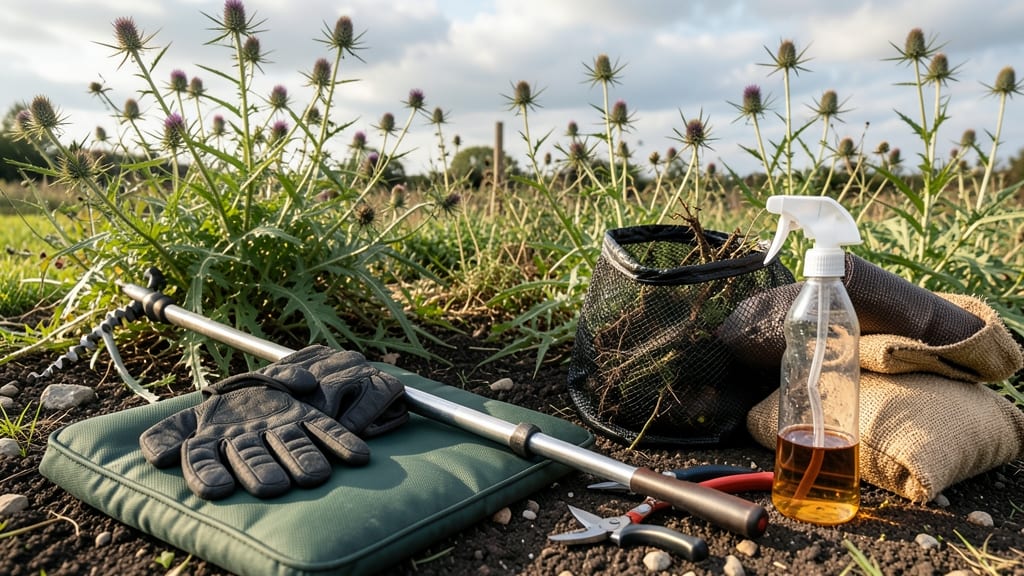
Those spiky weeds in your yard aren’t just annoying—they’re turning your lawn into a porcupine pit. ✂️ I’ve wrestled with thistles, crabgrass, and nutsedge for years, and I’ve cracked the code on how to banish them for good with just three strategic cuts and a little elbow grease.
The secret isn’t brute force—it’s timing, technique, and a few smart tools. You’ll need a sharp pair of pruners, a sturdy trowel, and some thick gardening gloves (trust me, you’ll thank yourself later).
Most people pull weeds when they’re already established, but the real work happens early—before those spikes take root.
By the end of this, your lawn will be soft underfoot again, and those thorns will be nothing more than a bad memory. You’ll spot new growth within 2-3 weeks of consistent effort, and the difference in your yard’s comfort—and your barefoot peace of mind—will be night and day.
Works for any yard size, from suburban lawns to small urban patches. The key is persistence, not perfection. Let’s get started—your feet will thank you.
📚 In This Guide
- What you need
- Instructions
- Tips and common mistakes
- Wrapping up and next steps
What you need
- ● Heavy-duty gardening gloves (2 pairs): Opt for thick, cut-resistant gloves (e.g., Mechanix Wear or Tough Outdoors) to shield hands from thorns.
- ● Pruners or hedge shears (1 pair): Choose bypass pruners (8"–12" blades) for clean cuts on tough weeds like blackberry brambles or multiflora rose.
- ● Long-handled loppers (1): For hard-to-reach areas, pick bypass loppers with 30"–36" handles.
- ● Weed torch or propane torch (1): Essential for large, overgrown patches (e.g., Weed Dragon or Fiskars models). Safety first! Keep a fire extinguisher nearby.
- ● Shovel or mattock (1): A heavy-duty digging shovel (18"–24" blade) helps uproot deep-rooted weeds like bindweed.
- ● Wheelbarrow or sturdy trash bags (2–3): For hauling debris. Contractor bags (30–50 gallon) hold bulkier clippings.
- ○ Broadcast spreader (optional): If using pre-emergent herbicide or vinegar-based weed killer, a drop spreader ensures even coverage.
- ● Safety goggles (1 pair): Protects eyes from flying debris or sap.
- ● Long sleeves & pants: Wear lightweight, breathable fabric (e.g., moisture-wicking polyester) to avoid scratches.
- ● Closed-toe shoes or boots (1 pair): Steel-toe boots recommended if dealing with rocky terrain.
- ● 🌡️ Work on a dry day: Wet weeds are slippery and harder to cut—aim for morning or late afternoon to avoid heat exhaustion.
- ● ✨ Mark utility lines: Call 811 (USA) before digging to avoid buried cables or pipes.
- ● 🎯 Test your torch: Practice in a safe area (like a gravel patch) to gauge flame control.
How to eliminate spiky weeds in your yard
Here's how I tackle stubborn thorny weeds—no harsh chemicals, just smart cuts and timing.
✂️ Step 1: Identify and Cut at the Right Time
First, spot the weeds with the most aggressive spikes—these are usually bindweed, brambles, or cactus-like varieties. Grab your pruners and cut them down when they're actively growing, which is typically in late spring or early summer when new shoots appear. I like to work on a dry morning so the plants aren't slippery underfoot.
Don't just hack at random—look for the base of the weed, where it meets the soil. This is often where the thickest, most stubborn growth hides. Cutting here prevents regrowth from lower stems. If the weed has thorns, wear thick gloves and long sleeves to avoid scratches.
🌱 Step 2: Remove the Root System Strategically
After cutting, dig around the base with a garden fork or trowel to expose the roots. Focus on 3-4 inches deep—this is where most weeds store energy for regrowth. Pull or pry out as much of the root as possible, but don't worry if you can't get every last piece. Some roots will break off naturally, and that's okay.
Here's the thing—if you leave even a small root fragment behind, the weed will likely sprout again. I've found that bindweed is especially persistent, so I'll often revisit the same spot a few weeks later to check for new shoots. Grab them when they're young and tender—they pull out much easier.
☀️ Step 3: Smother and Prevent Regrowth
Once the weeds are gone, cover the area with cardboard or thick layers of newspaper (about 4-6 sheets) to block sunlight. This starves any remaining roots and prevents new weeds from taking hold. Secure the edges with rocks or mulch so wind doesn't blow it away.
After a few weeks, add a 2-3 inch layer of mulch over the cardboard. I use wood chips or straw because they break down slowly and improve soil quality over time. This layer also keeps new weeds from sprouting by maintaining a consistent soil temperature and moisture level.
⏰ Step 4: Maintain with Regular Checks
Weeds don't disappear overnight, so schedule a weekly check during the growing season to catch any new spikes before they become a problem. Pull them when they're small—you'll see they come out easily with a sharp tug. If you notice a weed returning in the same spot, dig deeper this time to get more of the root system.
Over time, your yard will become less hospitable to weeds. Healthy grass or ground cover will outcompete them for space, sunlight, and nutrients. I've found that clover or creeping thyme work well in shady areas where weeds love to take over. Just give it patience—it can take a full season to see real improvement.
Tips & tricks for a thorn-free lawn
These smart strategies will help you tackle even the most stubborn spiky weeds without the frustration.
Timing Secret: I can't stress enough how important late spring or early summer is for cutting—this is when weeds are most vulnerable. I've learned the hard way that cutting in fall or winter often just stimulates new growth. If you miss this window, wait until next spring when new shoots appear again.
Equipment Upgrade: While pruners work for smaller weeds, invest in a sturdy garden fork for the root removal step. The tines help pry out those deep roots without damaging nearby plants. I've found that a 3-4 inch deep dig is most effective—any shallower and you risk leaving root fragments behind that will regrow.
Smothering Strategy: For the cardboard or newspaper layer, I recommend using 4-6 sheets of newspaper or a single thick layer of cardboard. The key is complete light blockage—even small gaps let weeds peek through. After a few weeks, when you add the 2-3 inch mulch layer, make sure it's evenly distributed to prevent weeds from sprouting through thin spots.
Weekly Maintenance: That weekly check is non-negotiable during growing season. I've seen weeds return within days if I skip this step. The earlier you catch them, the easier they pull out. I keep a small trowel in my gardening belt for quick removals between mowing sessions.
Pro Tips for Spiky Weeds Yard
- These smart strategies will help you tackle even the most stubborn spiky weeds without the frustration.
- Timing Secret: I can't stress enough how important late spring or early summer is for cutting—this is when weeds are most vulnerable.
- Equipment Upgrade: While pruners work for smaller weeds, invest in a sturdy garden fork for the root removal step.
Frequently asked questions
Got questions about tackling spiky weeds in your yard?
You're not alone! Here are some of the most common concerns—and straightforward answers—to help you reclaim your lawn with confidence.
What are the most common spiky weeds I’ll find in my yard?
Spiky weeds like stinging nettle, crabgrass, bindweed, and thistle are the usual culprits. These weeds thrive in sunny, disturbed soil and can pop up anywhere—lawns, gardens, or even cracks in driveways. Identifying them early makes removal easier!
How often should I cut my lawn to prevent spiky weeds from taking over?
Consistency is key! Mow your lawn every 1–2 weeks during growing season (spring to fall) to keep grass thick and outcompete weeds. Set your mower blade to 3–4 inches—taller grass shades soil, reducing weed seeds’ sunlight access. Pro tip: Never cut more than ⅓ of the grass blade at once!
Are there tools better than a regular lawnmower for removing spiky weeds?
Yes! For stubborn weeds, try a string trimmer (for edges), a weeding tool (like a dandelion digger), or a broadleaf herbicide for tough patches. For organic control, spot-treat with vinegar + dish soap (mix 1 gallon vinegar + 1 tbsp soap) on sunny days. Always wear gloves—those thorns don’t joke!
What’s the best time of year to tackle spiky weeds in my yard?
Early spring (before weeds sprout) and late summer (when weeds are actively growing) are ideal. Pre-emergent herbicides work best in spring, while post-emergent treatments (like vinegar or herbicides) are effective in summer/fall. Avoid treating in winter—dormant weeds won’t respond!
Why do spiky weeds keep coming back even after I remove them?
Weeds often return due to hidden roots, seed dispersal, or poor soil health. Pull weeds at the base to remove roots, and mulch bare spots to block sunlight. Improve soil with compost to crowd out weeds naturally. If they persist, test your soil’s pH—weeds love imbalanced conditions!
Are there any spiky weeds I should not try to remove myself?
Leave poison ivy or poison oak to professionals—they’re toxic and require protective gear. For giant hogweed (a rare but dangerous invasive), contact local agricultural extensions. Otherwise, most spiky weeds are manageable with the right tools and timing!
Wrapping up and next steps
Transforming your yard into a thorn-free paradise is totally within reach—especially when you tackle those spiky weeds with the right strategy! 🌱 By mastering just three strategic cuts, you’ve got the power to reclaim your lawn, boost curb appeal, and even save time (and your hands!) in the long run.
The key? Stay consistent, choose the right tools, and don’t let those pesky invaders win.
Ready to show those weeds who’s boss? Grab your shears, roll up your sleeves, and schedule your next yard session—before they grow any taller! 🌿 A little effort now means a lush, low-maintenance lawn you’ll love all season long.