
Planting
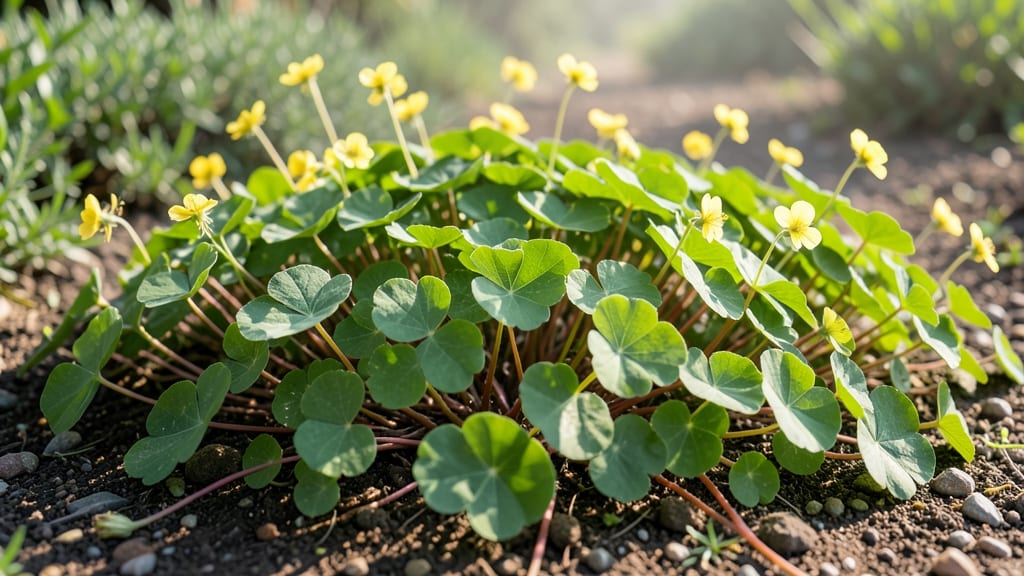
That sour weed plant creeping into your garden isn’t just an eyesore—it’s a cold-hardy pest magnet with a sharp, vinegary scent that can take over your beds. 🌱 I’ve battled Oxalis and Sorrel myself, and the key to reclaiming your garden lies in understanding their growth patterns and using natural, eco-friendly removal methods before they spread uncontrollably.
The first step is identification: sour weeds often have clover-like leaves with a tangy taste when crushed, and they thrive in moist, shaded areas.
Pulling them by hand works for small patches, but for larger infestations, smothering with thick mulch or digging out the entire root system is far more effective. The roots are deep and fibrous, so patience is key—don’t rush, or you’ll leave pieces behind to regrow.
Once removed, prevent regrowth by improving soil drainage and sunlight exposure in those areas. Planting competitive ground covers like clover or creeping thyme can also help suppress regrowth naturally. If the problem persists, reach out to your local agricultural extension for tailored advice on invasive species in your region.
This isn’t just about clearing weeds—it’s about restoring balance to your garden so pests stay away and your plants thrive. Let’s tackle this step by step.
📚 In This Guide
- What you need
- Instructions
- Tips and common mistakes
- Wrapping up and next steps
What you need
- ● Sour weed seeds or plants: 10–20 seeds (or 2–3 nursery-grown plants) for a small patch. Choose Oxalis acetosella for the classic sour flavor and pest-deterring properties.
- ● Well-draining soil: 1–2 bags (18–25 lbs each) of peat-free potting mix or garden soil amended with compost (50% soil, 50% compost ratio). Sour weed thrives in slightly acidic to neutral soil (pH 6.0–7.0).
- ● Organic mulch: 2–3 cubic feet of shredded leaves, straw, or pine needles to retain moisture and suppress weeds.
- ● Watering can or hose with a gentle spray nozzle: For consistent moisture without disturbing delicate seedlings.
- ● Garden trowel or small hand shovel: For digging planting holes (6–8 inches deep).
- ○ Gloves (optional but recommended): To protect hands from soil and sharp leaf edges.
- ○ Spray bottle (optional): For misting seeds during germination if starting indoors.
- ○ Pest-repellent companion plants (optional): Marigolds, chives, or garlic to enhance natural pest control.
- ● Sunlight: Partial shade to full sun (3–6 hours of sunlight daily). Avoid harsh afternoon sun in hot climates.
- ● Climate: Cold-hardy (zones 3–8). Plant in early spring or fall to avoid summer heat stress.
- ● Space: 6–12 inches apart in rows or clusters. Sour weed spreads via rhizomes, so contain it if desired!
How to grow sour weed for natural pest control
This cold-hardy herb thrives in most climates and delivers fragrant pest protection without chemicals.
🌱 Step 1: Select and Prepare the Planting Site
Choose a location with full sun to partial shade—sour weed tolerates both but grows most vigorously in 6+ hours of sunlight daily. The plant prefers well-draining soil with a slightly acidic to neutral pH (6.0-7.0). I always test my garden soil first because sour weed struggles in heavy, compacted clay.
If your soil is poor, mix in 2-3 inches of compost before planting. The plant’s strong roots will appreciate loose, airy soil. Avoid low-lying areas where water pools—sour weed hates soggy roots and may rot if left in wet conditions for too long.
🌱 Step 2: Plant Seeds or Transplants Correctly
Sow seeds ¼ inch deep in early spring after the last frost or in late summer for a fall crop. Space seeds 12-18 inches apart—they’ll spread over time, but giving them room prevents overcrowding. I like to plant in clusters of 3-4 near garden edges or along walkways where pests are most active.
For transplants, dig holes slightly deeper than the root ball and firm soil around the base. Water deeply right after planting to settle the roots. If you’re growing in containers, use pots at least 10 inches deep—sour weed has a long taproot and needs space to establish.
☀️ Step 3: Maintain Water and Light for Strong Growth
Water newly planted sour weed 1-2 times per week until established, keeping the soil evenly moist but not soggy. Once mature, it’s drought-tolerant but will wilt in extreme dryness. You’ll notice healthy plants have bright green, glossy leaves and a strong citrusy scent when crushed.
If your garden gets intense afternoon sun, provide some afternoon shade in hot climates—leaves can scorch if left in full sun without acclimation. A mulch layer of 2-3 inches of straw or wood chips helps retain moisture and keeps roots cool.
✂️ Step 4: Prune and Harvest for Pest Control
Pinch back leggy growth in early spring to encourage bushier plants. Harvest leaves as needed by snipping stems just above a leaf node—this stimulates new growth. The plant’s strong scent deters pests like aphids, cabbage moths, and even rabbits when planted near vulnerable crops.
For maximum fragrance, harvest in the morning when essential oils are most concentrated. Dry leaves can be crumbled into soil around plants or hung in bundles near entryways to repel insects naturally. Avoid over-pruning—leave enough foliage to maintain the plant’s pest-repelling power.
⏰ Step 5: Overwinter and Prepare for Next Season
Sour weed is cold-hardy down to USDA Zone 4, but mulch heavily before winter to protect roots. In mild climates, it may regrow from the base in spring. If you live in a warmer zone, it may become perennial—just trim back dead growth in early spring to encourage new shoots.
Divide mature plants every 3-4 years to rejuvenate growth. Simply dig up the clump, separate the roots, and replant sections. This keeps the plant vigorous and prevents overcrowding. I always mark new plantings with small stakes so I remember where the pest-repelling power lies!
Tips & tricks for perfect sour weed plant growth
Here's what nobody tells you about maximizing this fragrant pest-repelling powerhouse.
Soil Test First: Before planting, grab a soil test kit from your local garden center—sour weed thrives in pH 6.0-7.0. If your soil tests too acidic, mix in crushed limestone (about 1 pound per 100 square feet) 2-3 months before planting. I learned this the hard way after watching my plants struggle in my naturally acidic garden soil.
Planting Strategy: In Step 2, when planting seeds, create small mounds (about 1 inch high) rather than planting flat. This helps prevent water pooling around the seeds, which can cause rot. For transplants, water the hole before placing the plant in—this ensures roots make immediate contact with moist soil, giving them a head start.
Watering Wisdom: The 1-2 times per week watering guideline works best when done in the morning. Water deeply at the base rather than overhead—this encourages strong root development downward. In Step 3, if you notice leaves curling slightly during the day but recovering at night, that's normal heat stress. Provide afternoon shade if this happens consistently.
Harvesting Hack: When harvesting in Step 4, use clean, sharp scissors to snip stems just above a leaf node. This prevents damaging the plant and encourages bushier growth. For maximum fragrance, harvest leaves when they're fully mature but before they yellow—this is when the essential oils are most concentrated. Store harvested leaves in an airtight container in the freezer for up to 6 months to preserve their pest-repelling properties.
Pro Tips for Sour Weed Plant
- Here's what nobody tells you about maximizing this fragrant pest-repelling powerhouse.
- Soil Test First: Before planting, grab a soil test kit from your local garden center—sour weed thrives in pH 6.0-7.0....
- Planting Strategy: In Step 2, when planting seeds, create small mounds (about 1 inch high) rather than planting flat....
Frequently asked questions
What’s the best time of year to plant sour weed?
The ideal time to plant sour weed (Oxalis acetosella) is in early spring or early fall. This timing allows roots to establish before extreme heat or cold sets in. If you’re in a mild climate, you can plant year-round, but avoid frost-prone periods. Pro tip: Start seeds indoors 6-8 weeks before the last frost for a head start!
How long does it take for sour weed to repel pests?
Sour weed’s pest-repelling properties (thanks to its tangy scent) kick in within 2-4 weeks of planting. For best results, place it near vulnerable plants like roses, veggies, or fruit trees. The stronger the plant’s growth, the more effective its natural deterrent—so keep it healthy with consistent watering!
Can I grow sour weed in containers, or does it need garden space?
Sour weed thrives in containers as long as they’re at least 6 inches deep with drainage holes. Use well-draining soil and place pots near your garden’s edges or patio. Just ensure it gets partial shade—direct sun can scorch its delicate leaves. Bonus: Container-grown sour weed is perfect for balconies or small yards!
Is sour weed cold-hardy? Will it survive winter?
Yes! Sour weed is highly cold-hardy (USDA zones 3-8) and often returns year after year. In colder regions, its leaves may die back in winter, but the roots survive to regrow in spring. For extra protection, mulch around the base or cover with straw in harsh freezes. Fun fact: It’s one of the first plants to bloom in early spring!
What should I do if my sour weed looks wilted or diseased?
Wilting usually means overwatering—let the soil dry slightly between waterings. For yellowing leaves, check for rust fungus (common in humid climates) and remove affected foliage. Improve airflow by spacing plants 12 inches apart. If pests like slugs attack, handpick them or use beer traps. Prevention tip: Avoid overhead watering to keep leaves dry!
Are there non-edible alternatives to sour weed for pest control?
If you’re not growing sour weed, try these low-maintenance pest-repelling plants:
- Lavender – Deters mosquitoes, moths, and fleas (loves full sun!).
- Marigolds – Repel nematodes and aphids (great for veggie gardens).
- Chives – Keep carrots flies and aphids away (edible bonus!).
- Garlic chives – Strong scent deters Japanese beetles and rabbits.
Wrapping up and next steps
Growing sour weed plant (or Oxalis acetosella) is a game-changer for gardeners seeking a low-maintenance, pest-repelling ground cover with a tangy twist! 🌱 Its cold-hardy nature and fragrant leaves make it a versatile addition to shady spots, while its natural pest-deterring properties keep bugs at bay—without harsh chemicals.
Whether you’re a seasoned gardener or just starting out, this plant proves that beauty and functionality go hand in hand.
Ready to level up your garden? Start small with a few plants, experiment with companion pairings, and watch your space thrive naturally. Happy planting! 🌿✨