
Orchid Care
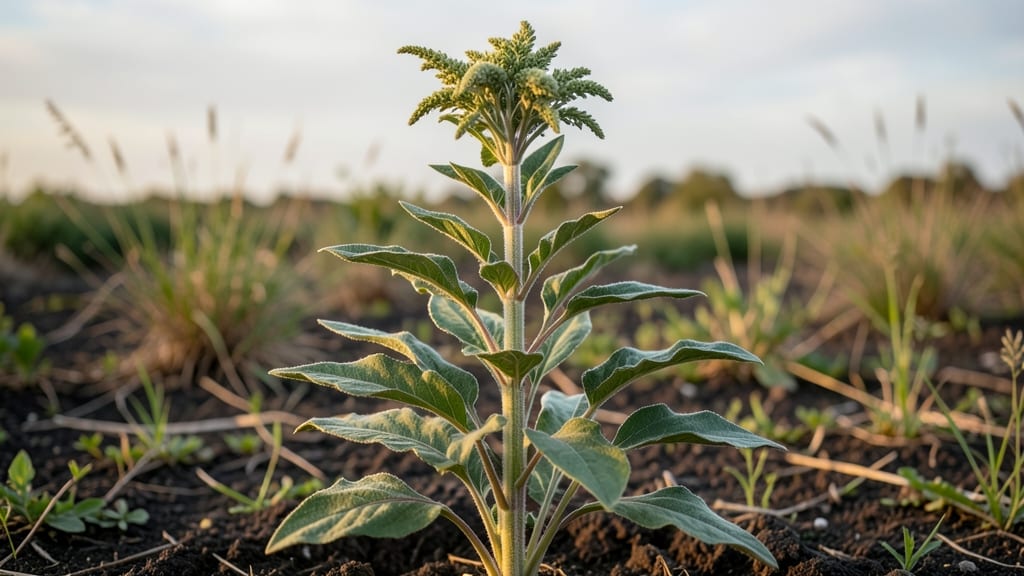
Rough careless pigweed spreads aggressively through wind-dispersed seeds and thrives in disturbed soils, making it a persistent weed in gardens and farmlands. Control it with targeted pre-emergence herbicides, manual removal, or mulching to suppress regrowth.
This invasive weed earns its name by outcompeting desirable plants in both vegetable patches and flower beds. 🌱 Each mature plant can produce up to 100,000 seeds, which remain viable for years in the soil—meaning one missed plant can become a full-blown infestation within a season.
The real challenge? Its deep taproot system makes hand-pulling ineffective unless you dig deep enough to prevent regrowth. I've seen it choke out young tomato plants and even established perennials when left unchecked, which is why I recommend combining multiple control methods for best results.
The key to stopping it lies in understanding its lifecycle: seeds germinate in warm soil, so pre-emergence herbicides applied in early spring create a protective barrier.
For organic gardeners, vinegar-based sprays work but require repeated applications, while mulching with thick layers of straw or wood chips smothers emerging seedlings before they take hold. Timing matters most—waiting until plants flower means you're already fighting a losing battle with seed production.
💡 In This Article
- How Rough Careless Pigweed Invades Gardens and Landscapes
- Step-by-Step Pigweed Eradication: Tools and Timing
How rough careless pigweed invades gardens and landscapes
Rough careless pigweed (Amaranthus rudis) thrives because of its biological advantages: each plant can produce up to 100,000 seeds that disperse via wind, covering areas faster than most gardeners can pull them.
These seeds remain dormant in the soil for 5-10 years, waiting for ideal conditions—warm temperatures (70°F+) and disturbed soil—to germinate. The plant's deep taproot system (up to 6 inches) anchors it firmly, making shallow removal ineffective and allowing it to outcompete crops for water and nutrients.
What makes it especially aggressive is its rapid growth cycle. From seed to maturity, rough careless pigweed completes its lifecycle in just 60-90 days, producing multiple generations per growing season. This outpaces many annual crops like beans or lettuce, which gives it a competitive edge in vegetable gardens.
Its broad leaves (up to 3 inches wide) shade out smaller plants, while its upright growth habit blocks sunlight from reaching desirable seedlings below.
The weed's preference for disturbed soils explains why it flourishes in newly tilled garden beds, construction sites, and even cracked pavement. 🌱 When soil is disrupted—whether by tilling, planting, or foot traffic—it triggers germination of dormant seeds.
This is why gardeners often notice outbreaks after spring planting or when mulch is first applied. The plant's ability to thrive in poor soil conditions (low fertility, high salinity) makes it particularly resilient in urban and agricultural settings where other plants might struggle.
Chemically, rough careless pigweed contains compounds that inhibit the growth of nearby plants, a phenomenon called allelopathy. While not as potent as some invasive species, this subtle chemical warfare gives it an additional advantage in crowded growing spaces.
The combination of seed volume, rapid growth, and chemical suppression creates a perfect storm for gardeners trying to maintain control over their plots.
Climate plays a crucial role in its spread. This weed dominates in regions with hot summers and mild winters, such as the southeastern U.S., where temperatures consistently stay above 60°F for 6+ months annually.
In cooler climates, it may still germinate but grows more slowly, giving gardeners a narrower window for intervention. However, even in northern areas, seeds can survive winters in soil and germinate when conditions warm up.
Here's what's happening at the soil level: When seeds land in disturbed soil, they detect the increased light and temperature changes as signals to germinate. The plant's roots then quickly establish a network that competes with established plants for moisture.
In vegetable gardens, this often means young tomato or pepper plants get starved of nutrients as pigweed steals resources through its extensive root system.