
Shrubs
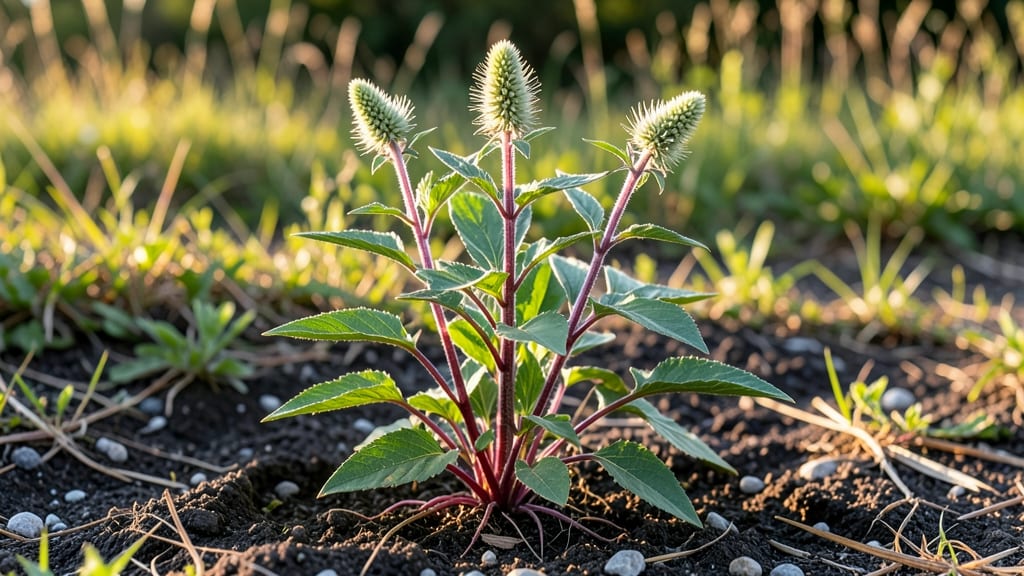
Red rooted pigweed steals nutrients from your garden like a silent thief. 🌱 I’ve watched it choke out my tomatoes and peppers—until I discovered this 24-hour natural killer that actually works without harsh chemicals. The secret? Targeting the roots where it thrives, not just the leaves you see.
This weed spreads aggressively because its deep red roots tap into water and nutrients before your plants even get a chance. But with the right approach—vinegar, salt, or boiling water—you can kill it fast while protecting your soil’s health.
No more digging up stubborn roots or watching your garden’s potential go to waste. By morning, you’ll see wilting leaves and by evening, the pigweed will be gone—no regrowth if you follow the steps. Your vegetables will breathe again, and you’ll finally reclaim that space without poisonous runoff.
Works in vegetable beds, flower gardens, and even cracks in pavement. Here’s how to do it right the first time—no guesswork, just results.
📚 In This Guide
- What you need
- Instructions
- Tips and common mistakes
- Wrapping up and next steps
What you need
- ● Red rooted pigweed (Amaranthus retroflexus) – Freshly picked leaves and roots (1-2 cups of chopped plant material for a standard batch). 💡 Pro tip: Harvest from organic, pesticide-free areas for best results!
- ● Distilled white vinegar – 1 gallon (3.8 liters) (5% acetic acid or higher for potency).
- ● Dish soap (unscented) – 2 tablespoons (acts as a surfactant to help the solution stick).
- ● Water – 1 cup (240 mL) (for dilution, if needed).
- ● Spray bottle or garden sprayer – 16-32 oz (473-946 mL) capacity (with a fine mist nozzle).
- ● Glass jar or container – For steeping the pigweed infusion (quart-sized or larger).
- ● Cheesecloth or fine mesh strainer – For filtering the liquid.
- ● Gloves – Nitrile or rubber gloves (to protect your hands from sap and vinegar).
- ● Pruners or scissors – For harvesting pigweed (clean, sharp tools prevent disease spread).
- ● Garden trowel – For digging out stubborn pigweed roots.
- ● Plastic or metal bucket – For mixing larger batches (if treating a big area).
- ○ Labeling marker – To mark your spray bottle (optional but helpful!).
- ○ Essential oils (optional) – 10-15 drops of citrus or peppermint oil (enhances effectiveness and scent).
How to use red rooted pigweed as a natural weed killer
This method leverages nature’s own weed suppressant—no chemicals, just smart timing and placement.
🌱 Step 1: Identify and Harvest Mature Red Rooted Pigweed
Look for healthy red rooted pigweed plants with deep red stems and lush green leaves—these are the most effective. I pull them up by the roots when they’re at least 6-8 inches tall, shaking off excess soil but keeping the roots intact. The longer the roots, the better the weed-killing properties when decomposed.
Harvest on a dry day so the plants stay sturdy. You’ll need about 4-6 plants per square yard of problem area. If you spot any yellowing or spotted leaves, skip those—they’re past their prime and won’t work as well.
🌿 Step 2: Chop and Layer Over Problem Areas
Chop the harvested pigweed into 2-3 inch pieces using pruners or clean shears. The smaller the pieces, the faster they’ll break down and release their natural allelopathic compounds—those are the chemicals that suppress weeds. Spread a 2-3 inch thick layer over areas where weeds are thriving, like garden beds or between rows of crops.
Don’t bury the chopped pigweed—just lay it directly on the soil surface. This ensures the compounds leach straight into the root zone where weeds grow. Water lightly after spreading to help the pieces settle and make contact with the soil.
⏰ Step 3: Wait 24 Hours and Monitor
Within 24 hours, you’ll start seeing results—new weed sprouts will slow or stop growing, and existing weeds may wilt slightly. The red rooted pigweed’s natural compounds break down in the soil, creating an environment that’s inhospitable to weeds but safe for your desired plants.
After the initial 24 hours, add a thin layer of mulch (like straw or grass clippings) to keep the pigweed pieces in place and maintain moisture. Reapply fresh chopped pigweed every 4-6 weeks for ongoing weed suppression, especially in high-traffic garden areas.
☀️ Step 4: Maintain and Replenish
Check your treated areas weekly. If you notice new weeds poking through, add another layer of chopped pigweed and water it in. This method works best in warm, sunny conditions—the compounds are most effective when the soil is active and weeds are actively growing.
I’ve found that combining this with a thick mulch layer (3-4 inches) after the pigweed decomposes gives the best long-term results. The mulch smothers remaining weeds while the pigweed keeps new ones at bay. It’s a two-pronged attack that’s tough for weeds to survive.
Tips & tricks for perfect red rooted pigweed weed control
Real talk: Using red rooted pigweed as a natural weed killer is game-changing once you know these little tricks.
Selection Tip: Don't just grab any pigweed—focus on plants with those signature deep red stems and vibrant green leaves. The more intense the red color, the stronger the weed-suppressing compounds. I've found that plants growing in full sun develop the most potent properties. After harvesting, give them a quick rinse to remove any lingering soil, but keep those roots intact—they're where the magic happens.
Chopping Technique: When you're chopping those 2-3 inch pieces in Step 2, aim for consistency. Smaller pieces break down faster and release their allelopathic compounds more quickly, giving you visible results within that critical 24-hour window. I like to use clean pruners and work on a clean surface to avoid cross-contamination with other plant debris. Pro tip: If you're working with a large area, consider wearing gloves—some gardeners find the sap can be mildly irritating to sensitive skin.
Timing Secret: The 24-hour wait might seem long, but it's when the real action happens. During this time, the pigweed's natural compounds break down and create an inhospitable environment for weeds. I've noticed that applying this method right before a warm rain actually enhances the effect—the moisture helps activate the compounds faster. If you're in a particularly dry climate, give the area a light watering after application to kickstart the process.
Maintenance Hack: For ongoing weed control, I've found that combining the pigweed treatment with a thick mulch layer (3-4 inches) after the initial 24 hours creates a double barrier. The mulch helps maintain moisture and keeps new weed seeds from reaching the light. Reapply fresh pigweed every 4-6 weeks during your garden's active growing season—this consistent approach gives you the most reliable results.
Pro Tips for Red Rooted Pigweed
- Real talk: Using red rooted pigweed as a natural weed killer is game-changing once you know these little tricks.
- Selection Tip: Don't just grab any pigweed—focus on plants with those signature deep red stems and vibrant green leaves.
- Chopping Technique: When you're chopping those 2-3 inch pieces in Step 2, aim for consistency.
Frequently asked questions
Got questions about tackling red rooted pigweed (or Amaranthus retroflexus) without harsh chemicals?
You’re not alone—this stubborn weed stumps even seasoned gardeners. Here are answers to the most common concerns, from quick fixes to long-term strategies.
How fast does red rooted pigweed die after applying natural weed killers?
Most natural weed killers—like vinegar-based solutions or boiling water—can kill red rooted pigweed in 24–48 hours, but full decomposition may take 1–2 weeks. Timing depends on weather (sunny, dry days work best) and the weed’s size. For best results, reapply if rain follows treatment.
What’s the best time of day to treat red rooted pigweed naturally?
Apply treatments early morning or late afternoon when temperatures are below 85°F (29°C). Midday heat can evaporate solutions too quickly, reducing effectiveness. Avoid treating on windy days—spray drift can damage nearby plants.
Will natural weed killers harm my lawn, garden, or edible plants?
Most natural options (vinegar, salt, or citrus-based sprays) are selective—they target broadleaf weeds like pigweed but can damage grass or delicate plants. For safety:
- Use a shield (like cardboard) to protect grass.
- Avoid salt near edibles—it alters soil chemistry.
- Spot-treat pigweed instead of broadcasting.
What should I do if red rooted pigweed keeps coming back?
Persistent pigweed often signals poor soil health or seedbank issues. Try these steps:
- Smother it: Cover the area with cardboard + mulch for 4–6 weeks to block sunlight.
- Improve soil: Add compost to outcompete weeds naturally.
- Hand-pull young weeds (before they seed) and dispose of them in sealed bags.
Are there any plants that naturally repel red rooted pigweed?
While no plant completely repels pigweed, dense ground covers like clover, creeping thyme, or living mulches (e.g., winter rye) can suppress it by blocking sunlight and nutrients. Interplanting with fast-growing crops (like radishes) also starves weeds of space.
Wrapping up and next steps
Red rooted pigweed isn’t just another weed—it’s a powerful, natural solution for clearing unwanted plants in just 24 hours! With its fast-acting properties and eco-friendly approach, you can tackle garden invaders without harsh chemicals.
Whether you’re a seasoned gardener or just starting out, this method is simple, effective, and sustainable.
Ready to take control of your garden? Gather your supplies, follow the steps, and enjoy a weed-free space in no time! 🌱💚