
Flowers
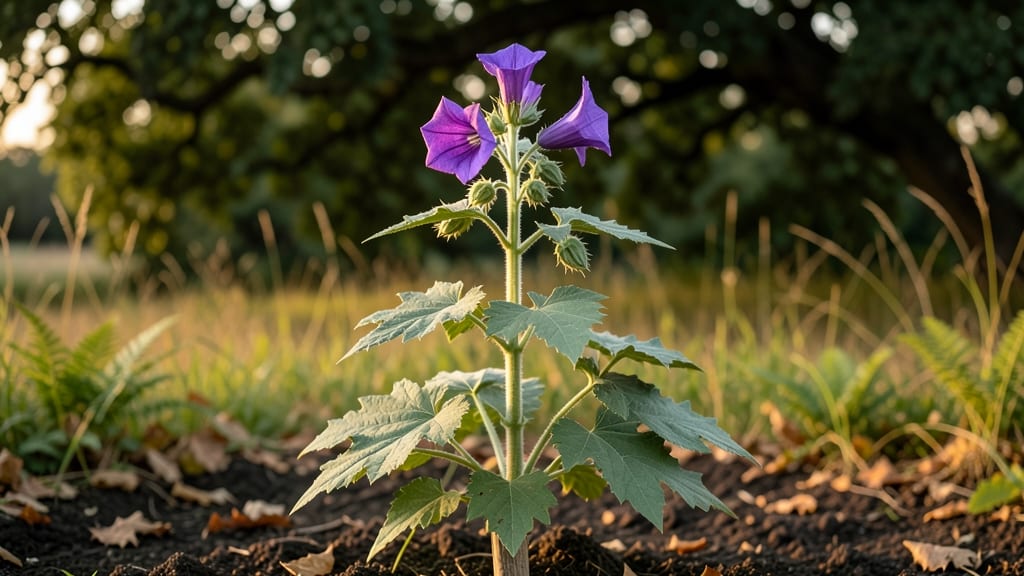
Growing purple jimson weed means embracing a striking, toxic beauty that thrives with bold confidence. 🌿 This hardy annual produces those iconic purple trumpet flowers—but handling it requires caution, especially around pets and kids.
The thorn-free stems and silvery foliage make it a standout in wildflower gardens, though its reputation as a dangerous plant isn’t exaggerated. The secret to success lies in full sun and well-draining soil, where it self-seeds aggressively.
I’ve grown it in both garden beds and containers, but always with gloves and long sleeves—just in case. It tolerates poor soil and drought once established, making it low-maintenance, though its rapid growth can quickly fill a space.
By mid-summer, you’ll have a tall, airy canopy of fragrant blooms that hummingbirds adore. The trade-off? Every part of the plant contains toxic alkaloids, so never plant it where children or pets can access it. Legal restrictions vary by state, so check local regulations before committing.
Pruning in three seasons—spring, summer, and fall—keeps it manageable and encourages more blooms. Just remember: beauty comes with responsibility. Handle with care, and this striking plant will reward you with drama and height no other annual can match.
📚 In This Guide
- What you need
- Instructions
- Tips and common mistakes
- Wrapping up and next steps
What you need
- ● Seeds: 10–20 Datura wrightii seeds (organic, non-GMO preferred). Pro tip: 💡 Buy from a reputable seed supplier—avoid wild-harvested seeds, as they may carry contaminants.
- ● Potting Soil: 5–10 lbs of well-draining, cactus/succulent mix (or amend regular potting soil with 30% perlite/coarse sand).
- ● Containers: 3–5 6-inch pots (for seedlings) or
- ● 1 12-inch pot or garden bed (for mature plants; depth ≥12 inches).
- ● Fertilizer: 1 lb of balanced organic fertilizer (10-10-10 or 5-5-5) or compost (aged, weed-free).
- ● Hand Trowel (for transplanting seedlings).
- ● Pruning Shears (sterilized with rubbing alcohol).
- ● Gloves (nitrile or leather—Datura has mild irritants!).
- ● Watering Can with a rose nozzle (for gentle watering).
- ● Spray Bottle (for misting seedlings).
- ○ pH Test Kit (optional but helpful—ideal soil pH: 6.0–7.5).
- ● Sunlight: Full sun (6+ hours daily). Pro tip: 🌡️ If growing in containers, place in a south-facing window or use a grow light (12–14 hrs/day) for seedlings.
- ● Climate: Hardy in USDA Zones 4–11; tolerates heat but needs frost protection in cooler zones.
- ● Watering Schedule: Keep soil moist but not soggy (datura hates "wet feet").
- ● Safety Note: All parts of jimson weed are toxic—wear gloves, keep away from pets/kids, and store seeds in a locked container.
- ● Mulch: 2–3 inches of gravel or straw mulch to retain moisture and deter weeds.
- ● Support Stakes: 3–4 bamboo stakes (for tall varieties; tie stems gently with soft twine).
- ● Compost Tea: 1 gallon (for a nutrient boost during pruning seasons).
- ● Camera or Sketchbook: Document growth stages—Datura flowers are ephemeral!
Step-by-Step guide to pruning purple jimson weed for a thorn-free canopy
Transform this bold perennial into a manageable, ornamental beauty with seasonal pruning—no thorns, just lush foliage.
✂️ Step 1: Early Spring Pruning for New Growth
Wait until after the last frost when soil warms to 60°F—your plant will already show new leaf buds along the stems. Using sharp pruning shears, cut back one-third of the previous year’s growth at a 45-degree angle just above a leaf node. This encourages bushier growth and prevents leggy stems.
Remove any dead, brown, or diseased branches first—they’ll only sap energy from your plant. I like to start with the outermost stems to open up the center for better airflow and sunlight penetration. Avoid cutting into woody stems thicker than ½ inch, as these won’t regenerate well.
☀️ Step 2: Mid-Summer Maintenance for Airflow and Shape
When your plant reaches 4-5 feet tall (around July in most climates), it’s time for a light structural prune. Focus on thinning out crowded branches—look for stems growing inward or rubbing against each other. These are prime candidates for removal to prevent thorn development and reduce disease risk.
Trim just above a set of leaves where new growth can emerge. If a branch is too woody to cut cleanly, use pruning loppers instead of forcing the shears. Step back occasionally to check your progress—you want an open, vase-like shape that lets sunlight reach the center.
⏰ Step 3: Late Fall Cleanup for Winter Readiness
When temperatures drop below 50°F at night and leaves begin yellowing, it’s time for final seasonal pruning. Cut back all stems to within 6-12 inches of the ground, removing any weak, thin, or diseased growth. This prepares the plant for dormancy and reduces winter dieback.
Rake up and dispose of all pruned material—never compost jimson weed clippings, as they can volunteer (sprout) in unwanted areas. If your plant has persistent thorns, you may need to wear heavy gloves during this step. After pruning, apply a 2-inch layer of mulch around the base to insulate roots.
🌱 Step 4: Post-Pruning Care for Recovery
Water deeply at the base after pruning to help the plant recover—aim for 1-2 inches of water per week, especially if rainfall is scarce. Avoid overhead watering, as wet foliage can invite fungal issues. Fertilize lightly with a balanced 10-10-10 formula in early spring to support new growth.
Monitor for new shoots in 3-4 weeks—these will be tender and thorn-free if pruned correctly. If you notice excessive thorn development on remaining branches, prune again in early summer to keep the plant manageable. With consistent care, your jimson weed will develop a dense, ornamental canopy by its second year.
Tips & tricks for pruning purple jimson weed
Mastering the art of pruning this striking perennial takes patience and precision—here's how to elevate your results.
Timing is Everything: In Step 1, don't rush the soil temperature check. Use a soil thermometer to confirm that 60°F threshold—cold soil can shock the plant and delay new growth. I've seen plants struggle when pruned too early, so wait until those leaf buds visibly swell. This timing ensures your cuts will produce vigorous new shoots rather than weak, spindly growth. The difference between a thriving plant and one that struggles is often just those few extra days of waiting.
The 45-Degree Angle Secret: When making your cuts in Step 1 and Step 2, that precise 45-degree angle isn't just for show—it creates a larger surface area for water absorption and new growth. Use a reference tool like a small angle guide if needed, or practice on scrap wood first. This technique also helps prevent water from pooling in the cut, which can lead to rot. The angle should be just above a leaf node, where new growth will emerge naturally.
Tool Selection Matters: For Step 2's structural pruning, don't force your pruning shears on thick branches—switch to pruning loppers for stems over ½ inch in diameter. I've ruined perfectly good shears trying to cut through tough growth, and the jagged cuts invite disease. Keep a small spray bottle nearby to clean your tools between cuts, especially when working with potentially diseased branches. Sharp tools make cleaner cuts that heal faster, reducing stress on your plant.
Winter Prep Insight: In Step 3, that 2-inch layer of mulch isn't just decoration—it's insulation. Spread it evenly around the base but keep it several inches away from the stem to prevent rot. For extra protection in colder climates, consider adding a thick layer of straw mulch on top of your regular mulch. This helps regulate soil temperature and moisture throughout winter, giving your plant the best chance at healthy regrowth in spring.
Pro Tips for Purple Jimson Weed
- Mastering the art of pruning this striking perennial takes patience and precision—here's how to elevate your results.
- Timing is Everything: In Step 1, don't rush the soil temperature check.
- The 45-Degree Angle Secret: When making your cuts in Step 1 and Step 2, that precise 45-degree angle isn't just for show—it creates a larger surface area for water absorption and new growth.
Frequently asked questions
Is purple jimson weed legal to grow in my state?
Legality varies widely! While Datura wrightii is non-intoxicating (unlike its cousin, Datura stramonium), some states regulate it due to its hallucinogenic reputation. Always check your local laws—some classify it as a restricted plant. When in doubt, consult a gardening forum or your state’s Department of Agriculture.
How long does it take to grow a mature purple jimson weed plant?
From seed to full bloom, expect 90–120 days in warm climates (zones 8–11). Cooler zones may need start seeds indoors 8–10 weeks before last frost. With proper care, you’ll see those iconic purple trumpet-shaped flowers by mid-summer—just be patient!
Why are my jimson weed leaves turning yellow or brown?
Yellowing (chlorosis) often signals overwatering or nutrient deficiency (like nitrogen). Brown edges? Underwatering or salt buildup from tap water. Try these fixes:
- Water only when the top 1–2 inches of soil are dry.
- Use a balanced fertilizer (10-10-10) every 4–6 weeks.
- Test soil pH—aim for 6.0–7.0.
Can I grow purple jimson weed in containers?
This plant thrives in 5-gallon pots or larger with drainage holes. Use a well-draining cactus/succulent mix and place it in full sun. Containers dry out faster, so monitor soil moisture closely. Just ensure the pot is wide enough—roots spread, not deep!
What’s the best way to prune for a fuller, bushier plant?
Pinch back the top sets of leaves when the plant is 6–8 inches tall to encourage branching. For a thorn-free canopy, trim any spiky growth in early spring and again after flowering. Use sterilized pruners to avoid disease. Pro tip: Deadhead spent blooms to redirect energy into new growth!
Are there non-toxic alternatives for a similar purple bloom?
If you love the look but want safer options, try these low-maintenance purple perennials:
- Salvia leucantha (Velvet Sage) – Drought-tolerant & fragrant.
- Lantana camara – Vibrant clusters, attracts pollinators.
- Agastache (Hyssop) – Hummingbird magnet with spiky blooms.
Wrapping up and next steps
Growing purple jimson weed (Datura wrightii) can transform your garden into a striking, low-maintenance haven—just remember: safety first! 🌿 With the right pruning timing (spring, summer, and fall) and a few key tools, you’ll enjoy a lush, thorn-free canopy that thrives year after year.
Whether you’re drawn to its ethereal blooms or its hardy nature, this plant rewards patience with beauty and resilience.
Ready to take the next step? Start by marking your pruning calendar and gathering your tools—then watch your garden flourish! For extra inspiration, explore companion plants or creative ways to showcase your jimson weed in containers or borders. Happy gardening! 🌸