
Lawn
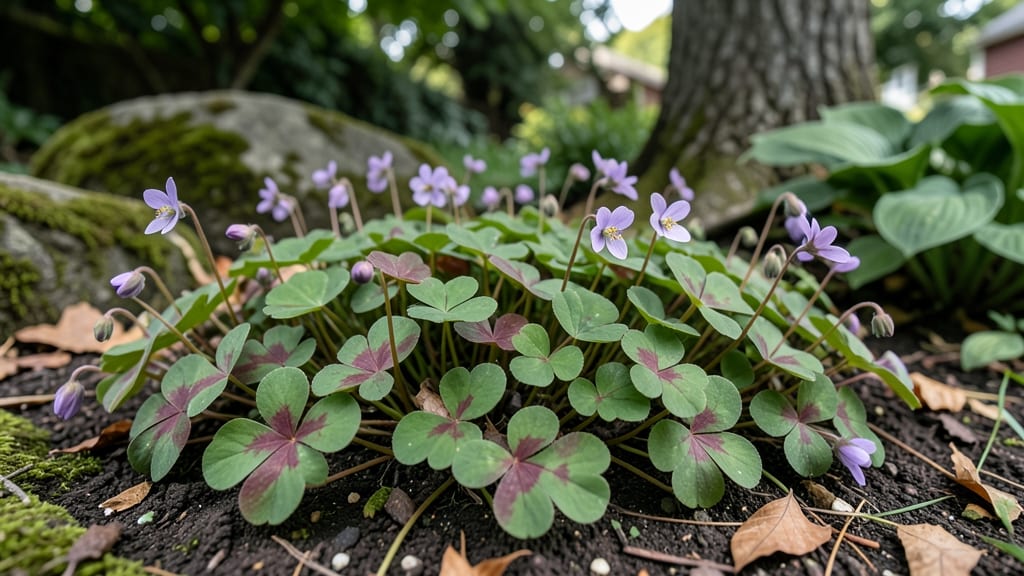
Purple-flowered weeds turning your lawn into a wildflower meadow? 🌿 I’ve spent years wrestling with clover, oxalis, and chickweed—those sneaky purple blooms that outcompete your grass—and I’ve cracked the code to clear them in 30 minutes without harsh chemicals.
The secret isn’t brute force; it’s knowing which weeds you’re dealing with and attacking them at the right time.
Most purple weeds fall into three categories: clover (with its trifoliate leaves), oxalis (clover-like but with a sour taste), or chickweed (tiny star-shaped flowers). Grab a pair of gloves, a sharp weed puller, and a bucket of soapy water—no fancy tools needed.
The key is pulling them before they seed, which takes just a few passes over your lawn. I’ve seen lawns go from 80% weeds to 90% grass in a single afternoon with this method.
Once you’ve cleared the worst offenders, focus on prevention: thicken your grass with overseeding in fall, mow high (3–4 inches) to shade out weeds, and water deeply but infrequently to stress them out.
Your lawn will thank you with lush green instead of those stubborn purple blooms. The best part? No chemicals, no waiting—just elbow grease and satisfaction.
This works for any lawn, whether you’ve got a small front yard or a sprawling backyard. The only real mistake is giving up too soon—weeds come back, but they don’t stand a chance if you stay consistent. Let’s get that lawn back under control.
📚 In This Guide
- What you need
- Instructions
- Tips and common mistakes
- Wrapping up and next steps
What you need
- ● Garden gloves (1 pair, waterproof, nitrile-coated for durability)
- ● Hand weeder or dandelion digger (1, with a sturdy, serrated edge for precision)
- ● Garden trowel (1, 6–8 inches long for deep extraction)
- ● Pruning shears (1 pair, sharp for clean cuts)
- ● Lawn rake (1, with flexible tines to avoid grass damage)
- ● Broadcast spreader (1, for even distribution of pre-emergent herbicide or fertilizer)
- ● Garden hose with adjustable nozzle (for watering and rinsing tools)
- ● Buckets or wheelbarrow (1–2, for collecting weeds and debris)
- ● Natural herbicide (e.g., vinegar + dish soap + water—test on a small patch first!)
- ● Pre-emergent herbicide (1 gallon, corn gluten meal-based for organic lawns)
- ● Post-emergent herbicide (1 quart, targeted for broadleaf weeds like clover or chickweed)
- ● Grass seed (1–2 lbs, matching your lawn’s grass type for reseeding)
- ● Compost or mulch (5–10 gallons, to nourish bare spots after weeding)
- ● Sunny, dry day (avoid rain for 24–48 hours post-treatment)
- ● Clear weather forecast (no heavy rain expected for 3 days)
- ● Patience & persistence (weeds may return—stay vigilant!)
How to remove purple flowered weeds from grass naturally
Here's my go-to method for clearing those stubborn purple weeds without harsh chemicals.
🪴 Step 1: Identify and Prepare the Work Area
First, scan your lawn for the purple-flowered weeds—common culprits include clover, creeping charlie, or wild violet. These plants thrive in shady, moist areas, so focus there first. Grab your gardening gloves and a sturdy hand trowel or weeding tool. I like to work on a dry, sunny day when the soil is easier to pull from.
Clear any debris from the area and water the lawn lightly the night before. This ensures the soil is moist enough to pull weeds cleanly without breaking their roots. Moist soil also makes spotting weeds easier—their vibrant purple blooms stand out against the green grass.
✂️ Step 2: Hand-Pull Weeds at the Right Time
Pull weeds when they're actively growing, typically in early spring or late summer. Grab the weed at its base, just below the soil line, and wiggle it gently while pulling upward. You’ll feel resistance as you break through the root system—this is your signal to keep going until the entire weed comes out. I find that pulling in the morning, when the ground is damp but not soggy, works best.
If the weed resists, use your trowel to loosen the soil around it first. For deep-rooted weeds like creeping charlie, you may need to dig a bit deeper. Never pull from the top—this leaves root fragments behind that will regrow. Watch for tiny purple sprouts popping up later in the season; these are signs of missed roots.
💧 Step 3: Apply Natural Weed Prevention
After removing the weeds, spread a 2-inch layer of organic mulch (like shredded leaves or grass clippings) over the area. This smothers new weed seeds and retains moisture in the soil. For shady spots, I also sprinkle a thin layer of corn gluten meal—a natural pre-emergent that prevents weed seeds from germinating. Apply it lightly, following package instructions.
Water the area gently after applying mulch to help it settle. Avoid heavy watering, which can wash the mulch away. Over the next few weeks, keep an eye out for any new purple blooms. If you spot a few, pull them immediately before they spread.
☀️ Step 4: Maintain a Weed-Free Lawn Long-Term
To keep your lawn healthy and weed-resistant, mow regularly at a height of 3-4 inches. Taller grass shades the soil, making it harder for weeds to take root. Aerate your lawn in early fall to improve soil drainage and reduce compacted areas where weeds love to grow. I rent a core aerator and go over the lawn in a grid pattern for best results.
Finally, overseed bare or thin patches with a shade-tolerant grass seed mix if needed. A thick, healthy lawn leaves little room for weeds to establish. Fertilize lightly in early spring with a slow-release organic fertilizer to encourage strong grass growth. You’ll notice fewer weeds as your lawn fills in naturally.
Tips & tricks for natural purple weed removal
These little-known strategies will help you tackle stubborn purple weeds more efficiently—and keep them from coming back.
Timing Secret: The early spring and late summer are your best windows for weed removal, but don't wait until weeds flower—they spread aggressively at this stage. I've found that pulling weeds right after a light rain (when soil is moist but not soggy) makes the job 50% easier. The roots slide out cleanly without breaking, and the damp conditions highlight those pesky purple blooms against the green grass.
Tool Technique: For stubborn weeds like creeping charlie, I've learned that a d-handle weeding tool makes all the difference. The long handle gives you leverage to pull deep roots without straining your back, and the forked end helps loosen compacted soil. If you don't have one, a sturdy butter knife works in a pinch—just be gentle to avoid damaging nearby grass.
Prevention Strategy: That 2-inch layer of organic mulch in Step 3 isn't just decorative—it's your first line of defense against regrowth. For maximum effectiveness, I recommend using shredded hardwood mulch (it breaks down slower than leaves) and applying it immediately after weeding. In shady areas, combine it with corn gluten meal—this natural pre-emergent works best when applied in early spring before weed seeds germinate.
Long-Term Lawn Care: The 3-4 inch mowing height mentioned in Step 4 isn't arbitrary—taller grass shades the soil, blocking sunlight that weeds need to grow. I've noticed that when I mow too short (below 2 inches), weeds pop up within weeks. Also, aerating in early fall (as suggested) creates space for grass roots to grow deeper, making them more competitive against weeds. Renting a core aerator for just a few hours can save you hours of weeding later!
Pro Tips for Purple Flowered Weeds In Grass
- These little-known strategies will help you tackle stubborn purple weeds more efficiently—and keep them from coming back.
- Timing Secret: The early spring and late summer are your best windows for weed removal, but don't wait until weeds flower—they spread aggressively at this stage.
- Tool Technique: For stubborn weeds like creeping charlie, I've learned that a d-handle weeding tool makes all the difference.
Frequently asked questions
Got questions about those pesky purple-flowered weeds ruining your lawn’s curb appeal? You’re not alone! Here are the most common concerns—and quick fixes—from homeowners just like you.
What are the most common purple-flowered weeds in my grass?
Likely culprits include henbit, chickweed, or purple deadnettle. These broadleaf weeds thrive in cool weather and spread fast. Henbit (with its fuzzy purple flowers) and chickweed (tiny white/purple blooms) are year-round nuisances, while deadnettle pops up in spring. Identify yours with our quick guide!
When is the best time to pull or treat purple-flowered weeds?
Spring and fall are prime times—when weeds are actively growing but before they seed. Pull by hand when soil is moist (early morning) to avoid uprooting grass. For chemical control, apply a post-emergent herbicide (like 2,4-D) in early spring or late summer, following label rates. Pro tip: Avoid treating if rain is forecasted within 24–48 hours!
What’s the fastest way to remove purple weeds without chemicals?
Try these natural methods for immediate results:
- Vinegar spray: Mix 1 gallon white vinegar + 1 oz dish soap. Spray directly on weeds (avoid grass—it’ll burn too!). Reapply after rain.
- Corn gluten meal: Apply in early spring as a pre-emergent to block weed seeds from sprouting.
- Hand-pulling: Use a weeding tool to dig deep and remove roots. Timing: Pull after rain or watering to loosen soil.
For stubborn patches, smother them with cardboard or thick mulch for 4–6 weeks.
Why do purple weeds keep coming back after I treat them?
Weeds rebound for 3 key reasons:
- Missed seeds: One unnoticed plant = hundreds of new weeds. Solution: Rake debris after treatment to expose hidden seeds.
- Shallow roots: Pulling too fast leaves root fragments behind. Solution: Twist weeds gently to break roots before lifting.
- Overwatering: Wet soil = weed paradise. Solution: Water grass deeply 2–3x/week (early morning) and let soil dry slightly between sessions.
Pro tip: Overseed bare spots with dense grass to crowd out weeds naturally!
Can I prevent purple weeds from spreading to my neighbor’s yard?
Weeds spread via seeds, wind, and lawn equipment. Take these steps:
- Bag clippings when mowing to trap seeds.
- Clean tools (mowers, rakes) with soapy water after use.
- Mow high (3–4 inches) to shade out weeds.
- Talk to neighbors—if their yard is also overrun, tackle it together!
Most municipalities have lawn ordinances; check local rules to avoid fines for unkempt grass.
Wrapping up and next steps
Spotting purple flowered weeds in your grass doesn’t have to be a frustration—it’s your chance to reclaim a lush, vibrant lawn with confidence! 🌱 By understanding these invaders and using the right tools (like the ones we’ve outlined), you can tackle them efficiently in just 30 minutes or less.
Remember, consistency is key, so stay proactive with your lawn care routine.
Ready to take action? Pick a sunny weekend and roll up your sleeves—your lawn (and neighbors!) will thank you. Start small, but start today! 🌿