
Flowers
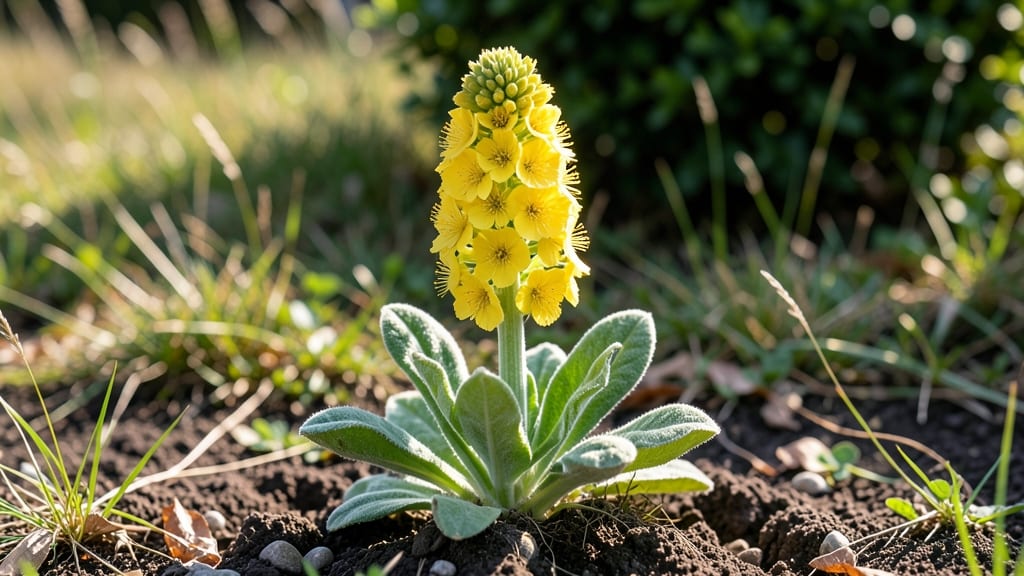
That fragrant purple-flowered weed spreading across your garden isn't just ugly—it's a pollinator magnet. 🌿 I've wrestled with it for years, and here's how to turn it from a nuisance into a fast-growing, fragrant living screen that actually helps your garden. The key is timing and technique.
Pull it when soil is moist (never dry), and you'll avoid the roots breaking off. For stubborn patches, smother with thick cardboard or mulch—it works faster than you'd think, especially in humid climates where these weeds thrive.
You'll end up with a lush, fragrant border that hummingbirds and bees love, all while keeping your garden neat. The secret is consistent removal before it seeds—once it takes over, even organic methods struggle.
Works best in partial shade to full sun, and it's particularly effective in coastal or temperate regions where these weeds spread aggressively. Let's reclaim your garden—without sacrificing beauty or pollinators.
📚 In This Guide
- What you need
- Instructions
- Tips and common mistakes
- Wrapping up and next steps
What you need
- ● Purple-flowered weed seeds (e.g., Lobelia erinus, Salvia leucantha, or Verbena bonariensis) – 1–2 packets (500–1,000 seeds) for a vibrant display.
- ● Well-draining potting mix – 1–2 bags (1–2 cubic feet) for seed-starting or in-ground planting.
- ○ Garden soil (optional) – Amend with compost (1–2 gallons) for nutrient-rich beds.
- ● Organic fertilizer (balanced 10-10-10 or slow-release granules) – 1–2 cups per 10 sq. ft. of planting area.
- ● Garden trowel or transplanting spade – For digging and spacing seeds.
- ● Watering can or hose with a gentle spray nozzle – Keep soil moist but not soggy!
- ● Garden gloves – Protect your hands from prickly stems (some varieties have them!).
- ○ Pruning shears – Optional for shaping plants as they grow.
- ● Mulch (straw or shredded bark) – 1–2 bags to retain moisture and suppress weeds.
- ● A sunny to partially shaded spot (6+ hours of sunlight for most purple weeds).
- ● Moderate water access – These plants thrive with consistent moisture but hate waterlogged roots.
- ● Patience (or a head start!) – Some seeds germinate in 7–21 days; others may take longer.
How to grow a fragrant purple flowered screen for pollinators
This fast-growing, fragrant screen transforms bare spots into a buzzing pollinator paradise in just a few months.
🌱 Step 1: Choose the Right Purple Flowered Weed Species
For a fragrant, fast-growing screen, I recommend Russian sage (Perovskia atriplicifolia) or purple loosestrife (Lythrum salicaria)—both thrive in full sun and spread quickly. Russian sage has silvery foliage and lavender-blue spikes that attract bees and butterflies, while loosestrife offers bold magenta blooms that hummingbirds adore. Check your hardiness zone: Russian sage grows best in zones 5-9, while loosestrife thrives in zones 3-11.
If you prefer a native option, try purple coneflower (Echinacea purpurea)—its daisy-like blooms last all summer and support monarch butterflies. Avoid invasive species like Japanese knotweed or kudzu; they spread aggressively and can damage foundations. Stick to ornamental grasses or flowering perennials for a controlled, fragrant screen.
☀️ Step 2: Select and Prepare the Planting Site
Find a spot with 6+ hours of direct sun daily—purple-flowered weeds need full sun to bloom vigorously. Test the soil pH with a kit; most prefer slightly alkaline conditions (pH 6.5-7.5). Amend heavy clay soil with 2-3 inches of compost to improve drainage, as soggy roots invite rot. I like to spread a 1-inch layer of coarse sand in the planting hole to help water drain faster.
Sketch a rough outline of your screen on the ground. For a 4-foot-tall screen, space plants 2-3 feet apart in rows 3 feet apart. If using Russian sage, plant in clusters of 3-5 for a fuller look. Mark the spots with stakes so you don’t lose track while digging.
🌿 Step 3: Plant and Water for Fast Establishment
Dig holes twice as wide as the root ball but only as deep as the container. Gently remove the plant from its pot, loosen the roots if they’re circling, and place it in the hole so the top of the root ball sits ½ inch below soil level. This prevents stem rot from sitting water. Fill the hole with native soil, pressing lightly to eliminate air pockets.
Water deeply right after planting—aim for 1 gallon per plant—to help roots settle. Mulch with 2-3 inches of shredded bark or straw to retain moisture and suppress weeds. Avoid fresh wood chips; they rob nitrogen from the soil as they break down. Watch for wilting in the first week—if leaves droop, water again until the soil feels damp 2 inches down.
✂️ Step 4: Maintain for Continuous Blooms and Pollinator Traffic
Deadhead spent flowers every 2-3 weeks to encourage more blooms. For Russian sage, snip back the seed heads once they turn brown, but leave some for winter interest. Loosestrife self-seeds aggressively, so remove unwanted seedlings in spring to keep the screen tidy. Fertilize lightly in early spring with a 10-10-10 granular fertilizer—too much nitrogen reduces flowering.
Prune in late winter or early spring to shape the screen. Cut back ⅓ of the oldest stems to encourage new growth. Wear gloves—some weeds like loosestrife have sharp edges. After pruning, water again to help the plant recover. You’ll see fresh shoots within 3-4 weeks, signaling the screen is thickening.
🐝 Step 5: Enhance Pollinator Appeal Year-Round
Plant companion flowers like bee balm (Monarda) or black-eyed Susan (Rudbeckia) around the edges of your screen to extend the blooming season. These perennials attract hummingbirds and butterflies, creating a nonstop buffet. Avoid pesticides—even organic ones—since they harm pollinators. If aphids appear, blast them off with a strong spray of water instead.
In fall, leave the seed heads for birds and overwintering insects. Russian sage’s dried stems add winter structure to the garden. If your screen grows too wide, divide clumps in early spring by digging up a section, splitting the roots, and replanting. You’ll have two screens for the price of one!
Tips & tricks for perfect purple flowered screens
Here's the thing—these fragrant screens grow fast but need the right conditions to thrive. Let me share what I’ve learned to avoid common pitfalls and maximize pollinator appeal.
Sunlight is Non-Negotiable: Purple-flowered weeds like Russian sage and loosestrife absolutely demand 6+ hours of direct sun daily. If your spot gets less, consider a different location or plant varieties that tolerate partial shade, like purple coneflower—though they may bloom less vigorously. I’ve seen screens wither when planted in dappled shade, so scout your site before buying plants.
Soil Prep Prevents Problems: The 2-3 inches of compost and 1-inch layer of coarse sand in Step 2 aren’t just suggestions—they’re lifesavers for heavy clay soil. I’ve had Russian sage roots rot in soggy ground, so always test drainage by digging a hole and filling it with water. If it drains slowly, amend further. For sandy soil, mix in some organic matter to retain moisture during dry spells.
Watering Wisdom: That 1 gallon per plant after planting isn’t arbitrary—it ensures roots establish quickly. In the first week, check soil moisture 2 inches down daily. Overwatering is just as harmful as underwatering, so let the top inch dry out between waterings once established. Mulch with 2-3 inches of shredded bark to lock in moisture and keep weeds at bay.
Pruning Pays Off: When you cut back ⅓ of the oldest stems in late winter, you’re not just tidying up—you’re encouraging bushier growth. I’ve seen screens double in density after this step. For loosestrife, wear gloves; those stems are sharp! And leave some seed heads on Russian sage for winter interest—they provide food for birds and structure for your garden.
Pro Tips for Purple Flowered Weed
- Here's the thing—these fragrant screens grow fast but need the right conditions to thrive.
- Sunlight is Non-Negotiable: Purple-flowered weeds like Russian sage and loosestrife absolutely demand 6+ hours of direct sun daily.
- Soil Prep Prevents Problems: The 2-3 inches of compost and 1-inch layer of coarse sand in Step 2 aren’t just suggestions—they’re lifesavers for heavy clay soil.
Frequently asked questions
Got questions about managing or enjoying purple-flowered weeds in your garden? You’re not alone—these vibrant, fast-growing plants spark curiosity (and sometimes frustration!). Here are some common queries with straightforward answers to help you navigate their care, control, and charm.
Is my purple-flowered weed actually invasive, or is it just a wildflower?
Many purple-flowered "weeds" like Lamium maculatum or Ajuga reptans are not invasive—they’re prized ground covers or pollinator magnets. True invasives (e.g., Himalayan balsam) spread aggressively and crowd out natives. Check your plant’s USDA database listing or consult a local nursery to confirm. If it’s a non-invasive species, embrace it—it’s likely helping bees and butterflies!
How fast do these weeds grow, and when should I expect flowers?
Purple-flowered weeds are fast growers—some, like Ajuga, can spread 12–18 inches per year! Flowers typically appear in early to mid-spring (March–May, depending on your zone), with sporadic blooms into fall. If yours isn’t flowering, it might need more sun (most prefer partial shade) or a light trim to encourage new growth.
How do I prevent purple-flowered weeds from taking over my garden?
Prevention is easier than cleanup! Start with mulch (2–3 inches of shredded bark or straw) to block seeds from sprouting. For stubborn patches, hand-pull (dig deep to remove roots) or use a hula hoe for young shoots. Avoid herbicides—many kill desirable plants too. If the weed is non-invasive, consider strategic placement (e.g., edges of gardens or under trees) to contain its spread.
Are these weeds good for pollinators, or should I remove them?
Most purple-flowered weeds are pollinator superstars! Plants like Salvia or Phlox attract bees, butterflies, and hummingbirds. If it’s a native or well-behaved species, leave it—or even plant more. For non-natives (e.g., Himalayan balsam), remove them before they seed to protect local ecosystems. Pro tip: Deadhead spent blooms to redirect energy into roots (not seeds).
What’s a good alternative if I want purple flowers without the “weed” hassle?
Try these low-maintenance, pollinator-friendly purple bloomers:
- Lavender (Lavandula) – Drought-tolerant and fragrant.
- Russian Sage (Perovskia atriplicifolia) – Tough, deer-resistant, and late-season bloomer.
- Catmint (Nepeta) – Spreads gently and reblooms all summer.
- Purple Coneflower (Echinacea purpurea) – Native, disease-resistant, and bee-loved.
Wrapping up and next steps
Transforming your garden into a vibrant haven for pollinators doesn’t have to be complicated—purple flowered weeds like Lamium maculatum or Heuchera prove that beauty and eco-friendliness go hand in hand! 🌸 With their fragrant blooms, fast growth, and low-maintenance charm, these plants offer a stunning, functional screen while supporting bees, butterflies, and hummingbirds.
Ready to take the next step? Start small—plant a few in a sunny or partially shaded spot, monitor their progress, and watch your garden thrive! Share your progress with fellow gardeners or explore local native plant swaps to expand your pollinator-friendly oasis. Happy gardening! 🌿