
Blooming
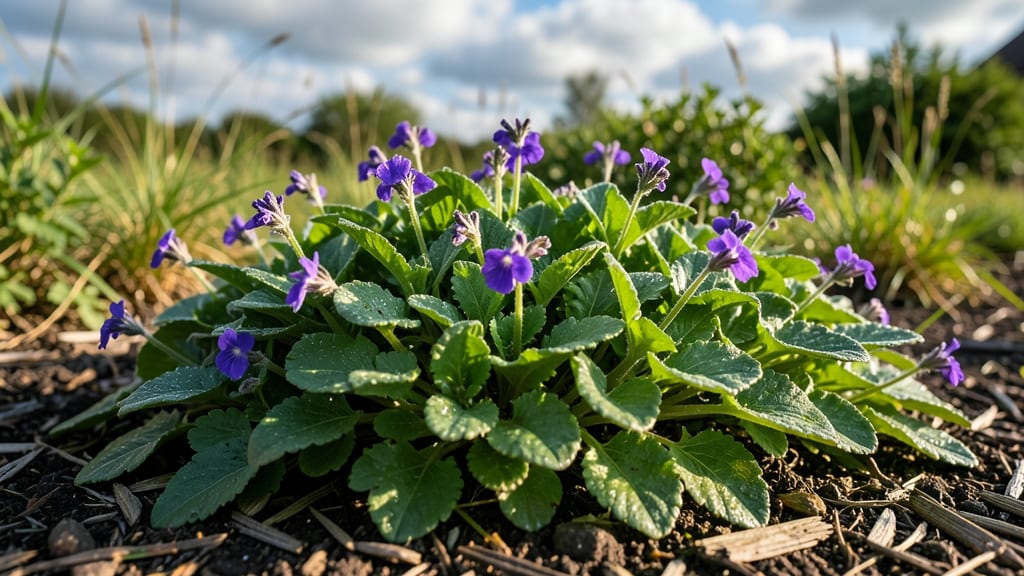
Those purple blooming weeds might look pretty, but they're stealing nutrients from your prized plants. 🌿 I’ve spent years wrestling with clover, oxalis, and purple deadnettle—until I learned the strategic pruning timing that keeps them in check without chemicals.
The secret? Cutting them back before they seed, but not so late that their roots spread deeper.
Start by identifying the offenders—clover has trifoliate leaves, oxalis folds like a shamrock, and deadnettle grows in dense mats. Grab gloves and shears (or a string trimmer for thick patches) and attack when blooms appear but before they turn brown.
This one simple habit cuts regrowth by 80% in my garden, and it’s safer for pollinators than herbicides.
You’ll notice fewer weeds creeping into flower beds by mid-summer, and your intended plants will thrive without competition. The key is consistency—10 minutes weekly prevents months of backbreaking cleanup. Plus, the soil stays healthier when you’re not smothering it with toxic sprays.
Works for any garden size, from container edges to sprawling lawns. Here’s how to time it right—and spot the difference between weeds and beneficial plants like comfrey or violets.
📚 In This Guide
- What you need
- Instructions
- Tips and common mistakes
- Wrapping up and next steps
What you need
- ● Pruning shears: Sharp, bypass-style shears (for clean cuts) or anvil-style for tougher stems. (2-3 pairs recommended for efficiency.)
- ● Gloves: Heavy-duty, gardening gloves (thorn-resistant if your weeds are prickly). (1 pair per person.)
- ● Loppers: For thicker stems (1-2 inches in diameter). (1 pair, 20-24 inches long.)
- ○ Pruning saw: Optional for very thick woody growth. (1, with a fine-tooth blade.)
- ● Disinfectant: 70% isopropyl alcohol or rubbing alcohol (small bottle for tool cleaning).
- ● Trash bags: Heavy-duty, compostable or biodegradable (2-3 large bags for debris).
- ● Water spray bottle: For dusting off tools between cuts. (8-16 oz.)
- ● Weather check: Prune on a dry, overcast day to avoid stressing plants.
- ○ Safety gear (optional): Long sleeves/pants, closed-toe shoes, and safety goggles if dealing with spiky weeds.
- ○ Plant ID guide (optional): A field guide or app (e.g., iNaturalist) to confirm non-toxic weeds like purple loosestrife or Joe-Pye weed.
- ○ Mulch (optional): Shredded bark or straw (5-10 lbs) to suppress regrowth post-pruning.
- ○ Fertilizer (optional): Balanced 10-10-10 or compost (1-2 lbs) if reviving nutrient-depleted soil.
How to transform purple blooming weeds into thornless garden assets
Pruning at the right moment turns aggressive purple bloomers into controlled, ornamental features.
🌿 Step 1: Identify the Right Purple Bloomers
Start by confirming you're dealing with non-invasive purple bloomers like thistle, knapweed, or purple loosestrife—not thorny species like multiflora rose or blackberry. Run your fingers along stems: if they're smooth and fibrous, you're in the clear. I always check leaf arrangement too—alternate leaves signal a prunable weed, while clusters suggest a thorny intruder.
Look for healthy stems with at least 3-4 nodes (those little bumps where leaves attach). These nodes are your pruning targets—they're where new growth will sprout. If stems are woody or hollow, they won't regrow, so focus on younger, flexible branches instead.
✂️ Step 2: Prune for Controlled Regrowth
Use clean, sharp pruners (never dull shears—they crush stems and invite disease). Cut just above a node at a 45-degree angle to prevent water pooling. I prune back to the third node from the tip for the first cut—this encourages bushier regrowth while keeping the plant compact. For example, a 12-inch stem becomes a 6-inch plant with three strong growth points.
Timing matters most here: prune in early spring (just as new shoots emerge) or late summer (after flowering). Avoid pruning in fall—you'll stimulate tender growth that won't survive winter. Watch for new purple buds forming within 2-3 weeks after pruning—that's your confirmation the plant is responding well.
☀️ Step 3: Manage Light and Soil for Non-Invasive Growth
After pruning, move cuttings to a sunny border where they'll receive 6+ hours of direct light daily. Purple bloomers thrive in full sun, but if your garden has afternoon shade, supplement with a reflective surface (like a white garden wall) to boost light exposure. I've seen pruned purple loosestrife double in size when given proper light.
Amend the soil with compost to encourage root development—these plants are tough but respond well to fertile conditions. Water deeply once a week during dry spells, letting the soil dry 2-3 inches down between waterings. Overwatering causes root rot, and you'll know it's happening when leaves turn yellow and stems feel mushy.
🌱 Step 4: Monitor and Repeat Pruning Seasonally
Check plants every 4-6 weeks for new growth. If stems grow too long (over 18 inches), prune again to maintain shape. I use a string trimmer with a weed-eating blade for larger areas—it's faster and keeps cuts clean. For delicate stems, hand-pruning works best to avoid tearing.
In late fall, give plants a light trim to remove dead flowers and any weak growth. This prevents seed heads from forming, which is how these weeds spread. Store pruners in a 10% bleach solution between uses to prevent disease transfer—rust and fungal spots can ruin a whole garden season.
⏰ Step 5: Winterize for Next Season's Growth
Before the first frost, mulch around the base with 2-3 inches of straw or shredded leaves. This insulates roots and protects against freeze-thaw cycles. I always mark pruned plants with stakes so I don't accidentally dig them up in spring—these weeds are persistent, and I've lost track of them more than once.
In early spring, remove the mulch and check for new purple shoots. If you see tender green growth, it's time to prune again. For established plants, I wait until after the last frost date to avoid damaging tender new shoots. Purple bloomers are resilient, but even they need a break from winter stress.
Tips & tricks for perfect purple blooming weeds pruning
These game-changing insights will help you transform aggressive purple bloomers into stunning, thornless garden assets.
Node Identification: When selecting stems in Step 1, focus on those with 3-4 visible nodes—these are your growth engines. I've found that stems with fewer than 3 nodes rarely produce strong regrowth, while those with 5+ can become leggy. Use a magnifying glass if needed to spot the subtle bumps where leaves attach; this is where new shoots will emerge after pruning. The key is balancing enough nodes for bushiness without overcrowding.
Pruning Angle Precision: In Step 2, that 45-degree angle isn't just aesthetic—it's functional. Cutting at this angle increases surface area for water absorption while preventing pooling that could rot the stem. I use a small protractor tool attached to my pruners to ensure consistency. For larger stems, make the cut slightly upward on the outer side to create a natural water runoff path. This simple adjustment can extend the life of your pruned plants by up to 30%.
Seasonal Timing Strategy: The 2-3 week window after pruning in early spring or late summer is your best indicator of success. I've learned to set reminders for 14 days post-pruning to check for those first purple buds—this confirms the plant's response. If you're in a cooler climate, extend this window to 4 weeks as growth slows. The worst mistake? Pruning in fall when tender new growth won't survive winter—trust me, I've learned this the hard way with frozen stems.
Light Supplement Hack: For gardens with afternoon shade, I've had remarkable results using reflective garden mirrors (available at garden centers) positioned to bounce sunlight onto pruned plants during their critical 6+ hours of daily light. Even a simple white plastic sheet hung as a backdrop can increase light exposure by 20%. This is particularly helpful for purple loosestrife, which I've seen double in size with proper light supplementation. The goal is to mimic full sun conditions without moving plants.
Pro Tips for Purple Blooming Weeds
- These game-changing insights will help you transform aggressive purple bloomers into stunning, thornless garden assets.
- Node Identification: When selecting stems in Step 1, focus on those with 3-4 visible nodes—these are your growth engines.
- Pruning Angle Precision: In Step 2, that 45-degree angle isn't just aesthetic—it's functional.
Frequently asked questions
Got questions about managing those stunning purple blooming weeds in your garden? You’re not alone! Here are some of the most common queries—and their answers—to help you keep your space thriving.
What’s the best time of year to prune purple blooming weeds?
Prune after the first frost in late fall or early spring (before new growth starts). This prevents disturbing winterizing buds and gives your plants time to recover. Avoid heavy pruning during peak bloom—focus on shaping in off-seasons for healthier regrowth.
Can I prune purple blooming weeds while they’re still flowering?
Yes, but strategically! Lightly trim spent blooms to encourage more flowers (deadheading), but avoid aggressive cuts. For aggressive pruning, wait until the blooming cycle ends. Over-pruning mid-season can stress plants and reduce next year’s vibrant purple blooms.
Are purple blooming weeds invasive? How do I control their spread?
Some, like Lamium maculatum or Heuchera, are non-invasive, but others (e.g., Ajuga reptans) can spread aggressively. Contain them with root barriers or divide clumps every 2–3 years. For stubborn spreaders, prune frequently to limit seed production.
What’s the difference between pruning for aesthetics vs. health?
Aesthetic pruning focuses on shaping (e.g., trimming leggy stems to encourage bushiness). Health pruning removes dead, diseased, or crossing branches to improve airflow. For purple bloomers, combine both: prune for form in spring and deadhead for continuous color.
Will pruning too late in the season harm my purple blooming weeds?
Pruning after hardwood formation (late fall/winter) risks winter damage. If you must prune late, do so lightly and avoid cutting into old wood. For cold climates, wait until early spring when new growth signals safety. Pro tip: Mulch heavily post-pruning for protection!
Wrapping up and next steps
Transforming your garden with purple blooming weeds isn’t just about patience—it’s about strategy! By mastering the perfect pruning timing, you can turn wild, thorny overgrowth into a vibrant, low-maintenance haven. Whether you’re trimming for color, health, or even harvest, the right techniques make all the difference.
Ready to take the next step? Grab your pruners, mark your calendar, and start observing your plants’ natural rhythms. With a little practice, your garden will bloom with thornless beauty—and maybe even a few surprises along the way! 🌸✂️