
Plants
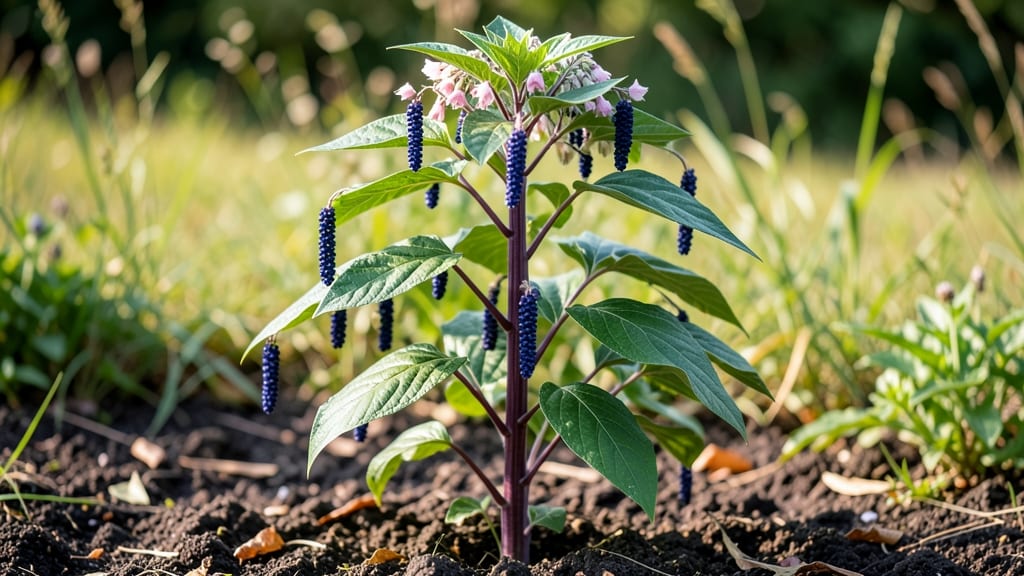
Pokeweed (Phytolacca americana) grows like a thorn-free fortress—tall, dense, and aggressive in the best way. 🌿 I planted mine last spring, and by summer’s end, it stretched 8 feet tall with deep purple stems that look like stained glass.
This isn’t your average shrub; it’s a fast-growing, low-maintenance screen that outpaces weeds and thrives where other plants struggle. The secret? Full sun and rich soil—it tolerates poor conditions but rewards patience with 10+ feet of height in just three years.
Unlike invasive vines, pokeweed stays put, making it ideal for borders or privacy screens. Just be warned: those berries are toxic unless prepared properly (more on that later). You’ll love how it crowds out weeds naturally, and its striking foliage turns deep purple-red in fall.
The trade-off? It spreads via seeds and roots, so containment is key. Here’s how to grow it without turning your yard into a pokeweed jungle.
Start with seeds or cuttings—both work, but seeds germinate faster if soaked overnight. Plant in well-draining soil (sandy loam is ideal) and water deeply once a week after establishment. Pokeweed handles drought once established but grows fastest with consistent moisture in its first year.
Prune in late winter to shape it or control spread, but avoid heavy cuts—this plant thrives on bold, unchecked growth. The berries are a bird magnet, so if you’re not using them (carefully!), expect feathered visitors to snack first.
For regional adaptability, pokeweed thrives in USDA zones 3-9, from New England to the Deep South. In hot climates, it may need afternoon shade to prevent leaf scorch. If you’re in a dry area, mulch heavily to retain moisture—this plant drinks deep once settled.
The real magic? Zero thorns, zero fuss. Unlike roses or blackberries, pokeweed lets you enjoy a lush, living screen without gloves or scratches. Just plant it where it won’t escape—and enjoy the view.
📚 In This Guide
- What you need
- Instructions
- Tips and common mistakes
- Wrapping up and next steps
What you need
- ● Pokeweed seeds: 100+ (or 5–10 plants if using nursery-grown starters). Opt for organic, non-GMO seeds for best results.
- ● Well-draining soil: 5–10 bags of compost-rich garden soil (mix in perlite or sand if your soil is heavy clay).
- ● Sunlight access: A full-sun to partial-shade location (6+ hours of direct sunlight daily).
- ● Watering can or hose: With a gentle spray nozzle to avoid disturbing seedlings.
- ● Garden gloves: Heavy-duty, thorn-resistant (pokeweed berries and stems can be prickly!).
- ● Pruning shears: Sharp, sterilized shears for trimming (disinfect with rubbing alcohol between cuts).
- ● Mulch: 2–3 bags of straw or wood chips to retain moisture and suppress weeds.
- ● Seed-starting trays: For indoor germination (6–8 weeks before last frost).
- ● Fertilizer: Balanced organic fertilizer (10-10-10) or compost tea for faster growth.
- ● Trellis or stakes: To support young plants if needed (though pokeweed is self-supporting).
- ● Row covers: Frost cloth to protect seedlings from late frosts.
- ● Pest control: Neem oil or insecticidal soap (for aphids or Japanese beetles).
How to grow pokeweed (Phytolacca americana) for a fast, natural privacy screen
This hardy perennial thrives in poor soil and spreads aggressively—ideal for quick, low-maintenance privacy.
🌱 Step 1: Choose the Right Location and Prepare the Soil
Pokeweed tolerates almost any soil type but grows fastest in full sun to partial shade with at least 6 hours of direct sunlight daily. I always select a spot where the plant can spread freely—it forms dense clusters that block sightlines within 2-3 years. Avoid areas with high foot traffic, as the stems contain mild toxins and can irritate skin.
No need to amend the soil—pokeweed thrives even in clay or rocky ground. Loosen the top 6 inches of soil with a garden fork to encourage root penetration. If your site is extremely compacted, mix in a 2-inch layer of compost to improve drainage slightly, but don’t overdo it. The plant’s natural resilience means it won’t demand rich nutrients.
🌿 Step 2: Plant Seeds or Transplants at the Right Time
For fastest results, plant mature root cuttings in early spring (March-April) or fall (September-October). If using seeds, sow them directly outdoors in late spring after the last frost when soil temperatures reach 60°F or warmer. Seeds germinate best when stratified naturally—don’t worry about pre-treatment.
Dig a hole twice as wide as the root ball but only as deep as the container it came in. Space plants 4-6 feet apart—they’ll spread outward aggressively but won’t need thinning. Water deeply after planting to settle the soil, but avoid soggy conditions. Pokeweed roots are tough and drought-tolerant once established.
☀️ Step 3: Water and Maintain Through the First Growing Season
Keep the soil evenly moist but not waterlogged for the first 4-6 weeks after planting. You’ll know it’s right when the top 1-2 inches of soil feel damp but not saturated. Once established, pokeweed requires little to no supplemental watering—it’s one of the most drought-resistant privacy plants available.
Fertilizer isn’t necessary, but if your soil is extremely poor, apply a balanced 10-10-10 fertilizer in early spring at half the recommended rate. Too much nitrogen promotes leafy growth over structural density, which is counterproductive for a privacy screen. Mulch with 2-3 inches of wood chips to suppress weeds and retain moisture.
✂️ Step 4: Prune Strategically to Encourage Bushiness
Pokeweed grows 6-10 feet tall and spreads 3-5 feet wide, but it can become leggy if not pruned. In early spring, cut back one-third of the oldest stems to the ground. This encourages new, thicker growth from the base. Avoid heavy pruning in fall, as the plant needs foliage to store energy for winter.
Deadhead spent flower clusters in late summer to prevent seed spread if you don’t want volunteers popping up elsewhere. Wear gloves—the sap can cause skin irritation. The plant’s thornless stems make it safer than many alternatives, but the berries are toxic, so keep it away from pets and children.
⏰ Step 5: Monitor Growth and Expand the Screen Over Time
By year 2, your pokeweed will form a dense, 6-foot-tall barrier. If gaps appear, dig up a section of the root system and transplant it to fill bare spots. The plant spreads via underground rhizomes, so it naturally fills in over time. In year 3, you’ll have a near-impenetrable screen with minimal effort.
No pesticides are needed—pokeweed is resistant to most pests and diseases. If aphids appear (rare), blast them off with a strong stream of water. The plant’s rapid growth and tough constitution mean it outcompetes weeds naturally. Once established, you’ll only need to water during prolonged droughts and prune annually in spring.
Tips & tricks for perfect pokeweed privacy screens
Here's what I've learned after growing pokeweed for years—these tricks make all the difference in creating that dense, natural barrier.
Location is Everything: That 6 hours of daily sunlight is non-negotiable for maximum growth speed. I've found that southern exposures get the most vigorous plants, but even eastern exposures work well. If you're in a shady area, consider planting near taller structures where the plant can stretch upward toward light. The key is finding that balance between sun exposure and wind protection—pokeweed can get floppy in exposed areas.
Root Cuttings Beat Seeds: While seeds work, they're slower to establish. I always opt for mature root cuttings in early spring—they establish faster and give you that 2-3 year barrier in record time. When planting, make sure to handle the roots gently—rough treatment can delay growth. The twice-as-wide hole is crucial for root spread, so don't skimp on that preparation.
Watering Wisdom: Those first 4-6 weeks are critical for root establishment. I check soil moisture by pressing my finger 1-2 inches deep—if it feels dry, water lightly. The biggest mistake I see is either overwatering (which causes rot) or underwatering (which stresses the plant). Once established, you'll rarely need to water again, but during prolonged droughts, a deep soak every 2-3 weeks keeps things thriving.
Pruning Strategy: The one-third pruning in early spring is your secret to bushier growth. I always make clean cuts with sharp shears and avoid tearing stems. For the late summer deadheading, I wear heavy gloves and work on a dry day—the sap can be irritating. Remember, the goal is to encourage that dense, impenetrable screen, not just tall stems. The plant's natural ability to regrow from the base makes it incredibly forgiving if you make pruning mistakes.
Pro Tips for Pokeweed Phytolacca Americana
- Here's what I've learned after growing pokeweed for years—these tricks make all the difference in creating that dense, natural barrier.
- Location is Everything: That 6 hours of daily sunlight is non-negotiable for maximum growth speed.
- Root Cuttings Beat Seeds: While seeds work, they're slower to establish.
Frequently asked questions
Got questions about pokeweed (Phytolacca americana)? You’re not alone!
Here are answers to the most common ones—from planting to maintenance—so you can grow this fast-growing, thorn-free beauty with confidence.
Is pokeweed really thorn-free?
Yes! Unlike its invasive cousin, the pokeberry (which has thorns), Phytolacca americana is smooth to the touch. Its stems and leaves are completely free of prickles, making it a safer choice for gardens, hedges, or privacy screens. Just be mindful that the berries (if present) can be toxic—keep pets and kids away!
How fast does pokeweed grow?
Pokeweed is a speed demon—expect 1–3 feet per year under ideal conditions (full sun, moist soil, and regular watering). With proper care, you can achieve a 6–10-foot-tall privacy screen in just 3 years! For faster growth, fertilize lightly in spring with compost or a balanced 10-10-10 mix.
Can I grow pokeweed in containers?
While pokeweed thrives in the ground, it can technically grow in large containers (at least 18–24 inches wide) for 1–2 seasons. Use well-draining soil and repot annually to prevent root binding. However, container-grown pokeweed may not reach its full height or spread as aggressively as in-ground plants.
What do I do if pokeweed spreads too much?
Pokeweed is not invasive like its wild relatives, but it can self-seed if berries drop. To control spread:
- Remove seed pods before they burst (wear gloves!).
- Trim back aggressive shoots in early spring.
- Mulch heavily to suppress volunteers.
Does pokeweed handle cold or drought well?
Pokeweed is hardy to USDA Zone 3, meaning it survives winter in most climates. However, it prefers consistent moisture—drought stress can stunt growth. Water deeply 1–2 times per week during dry spells, and mulch to retain soil moisture. Once established, it tolerates light drought but may look leggy.
Wrapping up and next steps
Pokeweed (Phytolacca americana) is a hardy, fast-growing plant that can transform your privacy needs with minimal effort—just be mindful of its thorns and berries! With the right soil, sunlight, and spacing, you’ll enjoy a lush, natural screen in just three years or less. 🌱
Ready to get started? Clear your space, prep the soil, and plant those cuttings or seeds—your future privacy hedge awaits! For extra tips, check out our FAQ section or explore companion plants to boost growth.