
Pests and Diseases
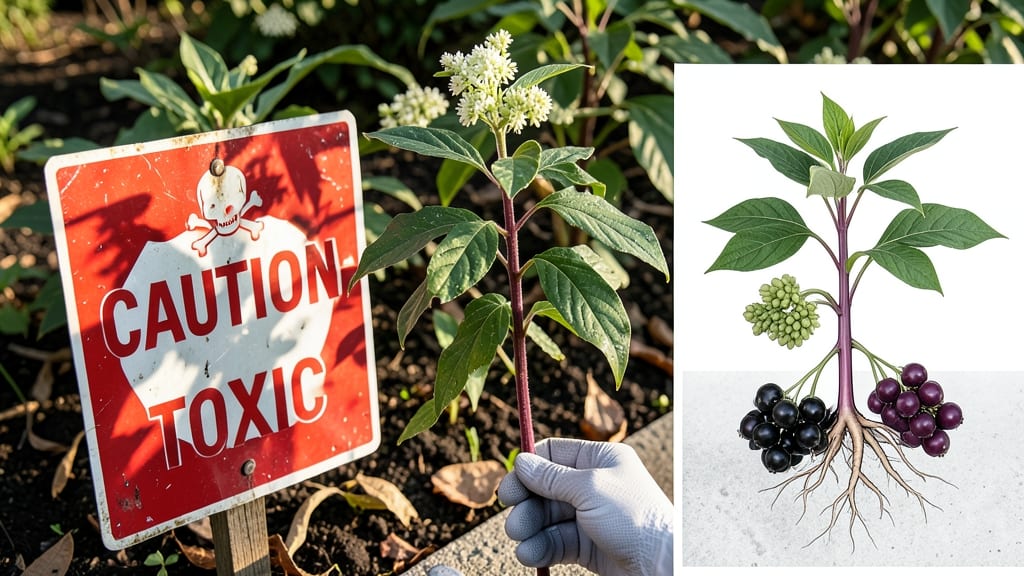
Pokeweed berry poison triggers severe gastrointestinal distress, including violent vomiting, severe diarrhea, and intense abdominal cramping, because its berries contain potent toxins like phytolaccatoxin and alkaloids. Seeking emergency medical care is absolutely essential, as even small ingestions can cause organ damage or fatal outcomes.
Pokeweed berries pack a dangerous punch because their toxins disrupt your digestive system at a cellular level. 🔥 The plant's purple-black berries may look tempting, but they contain phytolaccatoxin—a compound that attacks your stomach lining and triggers extreme reactions within minutes.
Even cooking doesn't always neutralize the threat, though it does reduce toxicity levels. This is why wildlife and pets often avoid them unless desperate for food. Always assume any pokeweed berries you encounter are hazardous until proven otherwise through professional analysis.
What makes this particularly insidious is that symptoms can appear within 20 minutes to several hours after ingestion, giving victims little time to react. The toxins don't just stop at your stomach—they can affect your nervous system and kidneys, making this a true medical emergency.
My advice? Treat any suspected pokeweed exposure as an urgent matter, even if symptoms seem mild at first.
💡 In This Article
- Toxic Compounds in Pokeweed Berries and Their Effects
- Safety Measures for Handling Pokeweed Plants
Toxic compounds in pokeweed berries and their effects
Pokeweed berries contain a cocktail of dangerous compounds, with phytolaccatoxin as the primary villain. This compound belongs to a family of toxic alkaloids that disrupt cellular processes in your digestive tract.
When ingested, phytolaccatoxin binds to your stomach and intestinal lining, triggering an inflammatory response that leads to severe irritation and tissue damage. The berries also contain phytolaccigenin and phytolaccine, which further amplify the toxic effects by interfering with nerve function and causing muscle spasms. 🌱
The danger escalates because these toxins work synergistically. Phytolaccatoxin, for instance, can cause hemolysis—the destruction of red blood cells—which leads to anemia and kidney damage.
Studies show that even 10-20 ripe berries can trigger symptoms in adults, while children may react to as few as 5 berries due to their smaller body size.
The raw berries are particularly hazardous because their outer skin contains the highest concentration of toxins, while the inner pulp, though less toxic, still poses risks if consumed in large quantities.
Cooking reduces but doesn't eliminate the threat. Heat breaks down some toxins, but phytolaccatoxin remains stable at temperatures below 212°F. Traditional preparations, like the Native American practice of roasting berries to make a dark purple dye or food, required careful processing to minimize risk.
Even then, improper preparation could leave residual toxins. This is why wildlife, including birds and mammals, rarely eat pokeweed berries unless they're starving—nature itself knows these berries are dangerous. 🚨
What makes pokeweed toxicity so unpredictable is the delay in symptom onset. While some people experience vomiting within 20 minutes, others may not show signs for 6-8 hours.
This delay can lull victims into a false sense of security, allowing the toxins to cause more damage before medical intervention.
The severity of symptoms also varies widely—some cases result in mild stomach upset, while others lead to seizures, coma, or respiratory failure, particularly in children or those with pre-existing health conditions.
The plant's entire lifecycle contributes to its danger. Young pokeweed shoots contain phytolaccigenin, which can cause blistering and swelling if handled without gloves. The roots, too, are toxic and have been mistakenly used in traditional medicine, leading to poisoning incidents.
Even the sap can irritate skin, causing rashes or allergic reactions. This is why gardeners and foragers must treat pokeweed with extreme caution—its toxicity isn't limited to the berries but permeates every part of the plant. 🌿
Understanding the science behind pokeweed toxicity helps explain why it's so perilous. The toxins don't just cause immediate discomfort; they can lead to long-term health complications, including liver and kidney damage.
For example, a case study from 2015 documented a child who ingested pokeweed berries and developed acute renal failure requiring hospitalization. This underscores the importance of treating any suspected pokeweed exposure as a medical emergency, even if symptoms seem mild at first.