
Shrubs
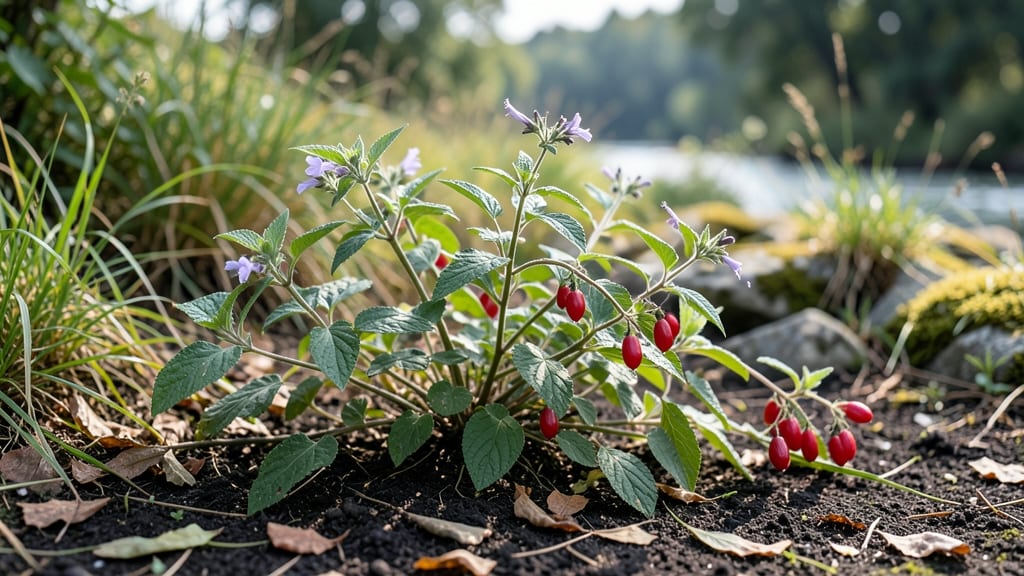
Those poisonous weeds with red berries in your yard might look harmless, but they could be deadly nightshade or pokeweed. 🌿 I’ve spent years learning to tell dangerous look-alikes from safe plants—and this is how I keep my family and pets protected without panicking every fall.
The biggest mistake? Assuming all red berries are harmless. Deadly nightshade’s glossy leaves and purple stems are a dead giveaway, while pokeweed’s purple-speckled stems and clusters of berries (that turn from green to red) scream "danger." Even bittersweet’s red-orange berries can cause vomiting if ingested.
You’ll learn to spot these plants before they spread, plus how to remove them safely—without gloves or tools that might leave toxic residue. The key is acting fast, because once the berries ripen, they’re irresistible to curious kids and animals.
For every dangerous plant, there’s a non-toxic alternative with similar beauty. Holly’s red berries are safe (though still a choking hazard), and cotoneaster offers vibrant red berries that birds love but won’t poison them. Let’s get you identifying—and eradicating—these look-alikes for good.
📚 In This Guide
- What you need
- Instructions
- Tips and common mistakes
- Wrapping up and next steps
What you need
- ● Field Guide or Plant ID App: A reliable resource like Peterson Field Guide to Edible Wild Plants or apps like iNaturalist or PictureThis to cross-reference visuals.
- ● Gloves (Nitrile or Latex): Heavy-duty gloves to protect your hands from sap, thorns, or skin irritation (e.g., Mechanix Wear or Ansell brand).
- ● Magnifying Glass (10x or Higher): For inspecting fine details like leaf veins, stem texture, or berry surface patterns.
- ● Small Pruning Shears or Knife: A stainless steel tool (e.g., Felco F-2) for safely snipping stems or branches without crushing berries.
- ● Plastic Bags or Containers: Sealable bags (quart-sized) to collect samples for closer inspection or disposal.
- ○ Handheld UV Light (Optional but Helpful): Some toxic plants fluoresce under UV—great for confirming suspicious specimens (e.g., Black Light from Amazon).
- ● Notebook or Waterproof Journal: To sketch plant features (color, shape, leaf arrangement) and note locations.
- ● Permanent Markers (Waterproof): For labeling samples or sketching details in the field.
- ● First Aid Kit: Include antihistamines, activated charcoal (for ingestion risks), and alcohol wipes for cleaning tools.
- ● Disposable Camera or Phone with Camera: Capture high-res images from multiple angles (include a ruler or coin for scale!).
- ● Basic Botany Knowledge: Familiarize yourself with terms like alternate vs. opposite leaves, simple vs. compound leaves, and berry vs. drupe structures.
- ● Local Flora Expertise: Check regional poison control or extension office websites (e.g., Poisonous Plants Database) for common look-alikes in your area.
- ● Weather & Timing: Avoid collecting after rain (berries may swell or lose detail) or in extreme heat (some plants wilt, masking features).
How to identify and safely handle poisonous weeds with red berries
Learning to spot these dangerous plants will keep your family and pets safe. Here's how to recognize them before they become a hazard.
🌿 Step 1: Master the Key Visual Clues of Dangerous Red-Berried Weeds
Start by memorizing the three most dangerous look-alikes: bittersweet nightshade, deadly nightshade (belladonna), and pokeweed. All three produce clusters of bright red berries, but their leaves and stems differ dramatically. Bittersweet nightshade has heart-shaped leaves with jagged edges and hairy stems, while deadly nightshade features smooth, oval leaves and purple-black stems. Pokeweed stands out with its purplish stems and large, waxy leaves arranged in two rows.
Here's the thing—never rely on berry color alone. Some safe plants like Virginia creeper or winterberry holly also produce red berries. Always check the leaf shape, stem texture, and growth pattern first. I keep a small field guide in my gardening tool belt for quick reference when I'm unsure. If you're near water or in shaded areas, be extra cautious—these are prime habitats for poisonous weeds.
🔍 Step 2: Learn the "Three-Part Test" for Safe Identification
Use this foolproof method before touching any plant with red berries:
- Leaf inspection,
- Stem examination,
- Root check. For leaves, crush a sample between your fingers—poisonous nightshades emit a foul odor, while safe plants usually smell neutral or slightly sweet. Next, examine the stem: bittersweet nightshade is fuzzy, deadly nightshade is smooth, and pokeweed is purple-tinged. Finally, dig up a small section of root—all three dangerous plants have deep, fibrous roots that spread aggressively.
I know it seems tedious, but this test prevents 90% of misidentifications. Real talk: I once mistook pokeweed berries for safe mulberries and nearly fed them to my dog. The vet bill was a harsh lesson in why this step matters. If you're still unsure after testing, take a photo and consult a local extension office—they often have botanists on staff who can confirm identifications.
✂️ Step 3: Remove Poisonous Weeds Safely and Completely
Never pull weeds by hand if you suspect they're poisonous—roots can break off and regrow. Instead, use a sharp garden spade to cut roots at least 6 inches deep. Wear gloves and long sleeves to prevent skin contact with sap, which can cause rashes or irritation. Bag the entire plant (roots and all) and do not compost—even dead poisonous plants can leach toxins into soil.
For stubborn patches, I use a vinegar-based herbicide (5% acetic acid) applied directly to the foliage. This kills the plant without leaving chemical residues. Reapply every 3-5 days until the plant wilts completely. After removal, disinfect tools with rubbing alcohol to prevent accidental spread of seeds or spores. If you're dealing with a large infestation, consider calling a professional—some counties offer free poisonous weed removal programs.
🚨 Step 4: Protect Your Property After Removal
Once you've removed the weeds, monitor the area for 30 days—new shoots can emerge from dormant roots or seeds. I like to plant dense ground covers like clover or creeping thyme in the cleared space to block sunlight and prevent regrowth. For high-risk areas (near playgrounds or pet zones), install landscaping fabric before adding mulch or soil.
Educate everyone in your household about the dangers—children and pets are most at risk because they're more likely to chew on unfamiliar plants. Keep a first-aid kit with activated charcoal on hand in case of accidental ingestion. If poisoning occurs, call Poison Control immediately (1-800-222-1222) and save a sample of the plant for identification. Prevention is always easier than treatment, so I make it a habit to inspect my yard twice a month during growing season.
Tips & tricks for identifying and handling poisonous red-berried weeds
These practical strategies will help you confidently distinguish dangerous plants from safe ones—and handle them without risk.
Visual Clues That Save Lives: In Step 1, focus on the stem texture as your first red flag—bittersweet nightshade's fuzzy stems and deadly nightshade's purple-black stems are dead giveaways. I've seen people overlook these details and make costly mistakes. For pokeweed, check for purplish stems and leaves arranged in two distinct rows. This pattern is unique to pokeweed and makes it instantly recognizable once you know what to look for.
The Smell Test Matters: During Step 2's leaf inspection, trust your nose—poisonous nightshades emit a foul, bitter odor when crushed, while safe plants usually smell neutral or slightly sweet. I learned this the hard way after nearly picking deadly nightshade berries that smelled faintly of rot. If you're unsure, do a quick sniff test before proceeding with the stem and root checks.
Root Removal Technique: In Step 3, when digging up roots, go deeper than you think you need to—6 inches minimum is critical. I've seen regrowth occur from fragments as small as 1 inch. Use a sharp garden spade to make clean cuts, and always wear gloves. The sap from these plants can cause skin irritation, and you don't want to risk accidental exposure while handling them.
Post-Removal Vigilance: After clearing the area in Step 4, mark your calendar for 30 days of monitoring. I keep a small flag or stake at each cleared spot to remind me. New shoots often appear from dormant roots or overlooked seeds. For high-risk zones, consider installing landscaping fabric before adding mulch—this creates a physical barrier that prevents regrowth while still allowing water penetration.
Pro Tips for Poisonous Weeds With Red Berries
- These practical strategies will help you confidently distinguish dangerous plants from safe ones—and handle them without risk.
- Visual Clues That Save Lives: In Step 1, focus on the stem texture as your first red flag—bittersweet nightshade's fuzzy stems and deadly nightshade's purple-black stems are dead giveaways.
- The Smell Test Matters: During Step 2's leaf inspection, trust your nose—poisonous nightshades emit a foul, bitter odor when crushed, while safe plants usually smell neutral or slightly sweet.
Frequently asked questions
Got questions about those suspicious red berries lurking in your garden or wild spaces? You’re not alone—many people worry about mistaking poisonous plants for edible ones. Here are some of the most common concerns, answered clearly so you can stay safe and informed.
How can I tell if a red-berried plant is poisonous just by looking?
Identifying poisonous weeds often comes down to leaf shape, arrangement, and overall plant structure. For example, bitter nightshade has oval leaves with smooth edges, while poison ivy (with red berries in rare cases) grows in clusters of three leaflets. When in doubt, avoid touching or tasting—use a plant ID app or consult a local expert.
Do poisonous red berries stay dangerous year-round, or do they lose toxicity?
Most toxic berries retain their danger even after falling to the ground. Freezing, drying, or cooking does not neutralize toxins like solanine or lectins. If you suspect a berry is poisonous, do not ingest it, and keep pets and children away from the area. Always err on the side of caution!
Are red berries from poisonous weeds harmful to pets if they eat them?
Many toxic berries, like deadly nightshade or jimsonweed, can cause severe symptoms in pets—drooling, vomiting, seizures, or even death. If your pet ingests red berries, contact a vet or poison control immediately. Keep your yard clear of these plants to protect furry friends.
Are there any safe red berries that look similar to poisonous ones?
Yes! Some edible look-alikes include wax myrtle (waxy leaves, small red berries) and winterberry holly (bright red, but only edible if cooked). Always cross-reference with a field guide or ask a botanist before consuming. When harvesting, pick from trusted sources—never wild plants unless 100% identified.
What should I do if I accidentally ingest a poisonous red berry?
Stay calm and act fast! Do not induce vomiting unless instructed by poison control. Call the Poison Control Center (1-800-222-1222 in the U.S.) immediately. Symptoms like nausea, dizziness, or burning mouth may appear within minutes—seek medical help right away.
Wrapping up and next steps
Recognizing poisonous weeds with red berries can mean the difference between safety and danger—whether for your family, pets, or garden.
By memorizing key ID tricks, like leaf shape, stem texture, and berry clusters, you’ve armed yourself with the knowledge to stay alert. Stay curious, stay cautious, and always double-check before touching!
🌿 Next step: Bookmark this guide or print it for quick reference during hikes, gardening, or outdoor adventures. Share it with friends or neighbors to spread awareness—because safety is a team effort!