
Trees
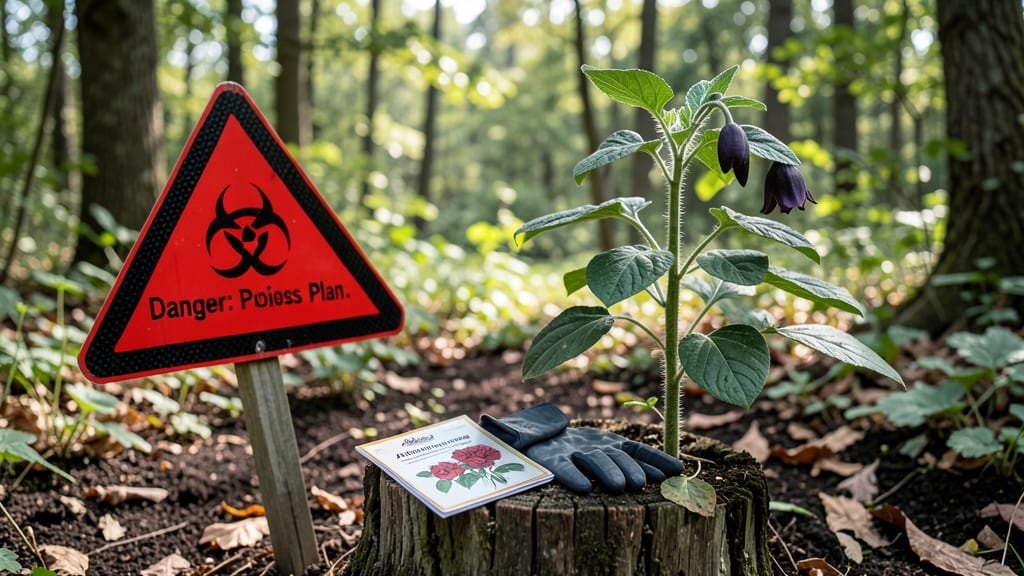
Recognizing poison weeds pictures could save your family from painful rashes or worse. 🌿 That "innocent" vine climbing your fence might be poison ivy, and those pretty purple flowers could be deadly nightshade—both dangerous if touched or ingested. The good news?
Most poisonous plants have distinctive features: three-leaf clusters, white berries, or jagged edges. I’ve spent years studying these plants, and I’ll show you how to spot them before they become a problem in your yard.
With this guide, you’ll confidently identify and remove these plants safely, protecting your garden and loved ones. We’ll cover what to look for, how to stay protected, and what to do if you encounter them.
Let’s start with the most common offenders and how to keep them out of your green space for good.
📚 In This Guide
- What you need
- Instructions
- Tips and common mistakes
- Wrapping up and next steps
What you need
- ● Smartphone or digital camera – A high-resolution device (12MP or better) with a macro mode for close-ups. Pro tip: 💡 Use natural light for the clearest images!
- ● Gloves (nitrile or garden gloves) – Heavy-duty (military-grade or chemical-resistant) to avoid skin contact with toxic plants.
- ● Labeling supplies – Small waterproof tags (e.g., wooden stakes or plastic labels) and a permanent marker for marking questionable plants.
- ● Field guidebook or app – A printed guide like “Northeast Trees” (for region-specific weeds) or apps like iNaturalist or PictureThis for instant ID help.
- ● Notebook or voice recorder – To jot down notes on leaf shape, growth patterns, or location details.
- ● Hand lens (10x magnification) – For inspecting tiny details like milky sap (poison ivy) or thorn patterns.
- ● GPS device or phone app – To log exact coordinates of toxic plants for future reference.
- ● Spray bottle with water – For dampening leaves to highlight vein patterns (some weeds change color when wet!).
- ● Disposable camera or Polaroid – If you’re super cautious about digital storage of toxic plant pics.
Visual guide to identifying common poisonous weeds
Knowing what to watch for keeps your yard safe. Here’s how to spot the most dangerous plants before they spread.
🌱 Step 1: Learn the Leaf Shapes and Arrangements
Start with leaves—they’re the easiest way to ID poisonous weeds. Poison ivy has its infamous "leaves of three, let it be," but poison oak and sumac also share this pattern. Look for glossy, waxy leaves or jagged edges—these often signal toxicity. For example, giant hogweed has massive, hairy leaves that grow up to 5 feet wide, while poison hemlock has finely divided, fern-like foliage.
I always check leaf arrangement first. Alternating leaves (one per node) are common in poisonous plants, while opposite leaves (two per node) are rarer. If you spot a vine with three leaflets and a red stem, that’s poison ivy—don’t touch it. Take a photo for later comparison.
🌿 Step 2: Examine the Stems and Roots
Stems reveal a lot about a plant’s danger level. Poison ivy and oak stems often have a milky sap that can cause rashes on contact. Giant hogweed stems are hollow and covered in purple spots, while poison hemlock has purple-tinged stems with a smooth, waxy texture. If you see a plant with a thick, taproot system (like poison hemlock), it’s especially invasive and toxic.
Don’t dig up unknown plants without gloves—roots can be just as dangerous as leaves. For example, poison hemlock roots look like parsnips and can cause severe illness if ingested. If you’re unsure, take a sample to a local extension office for testing.
☀️ Step 3: Check for Flowers and Seed Pods
Flowers are another dead giveaway. Poison hemlock has tiny white flowers in flat-topped clusters, while poison oak flowers are yellowish-green and grow in small bunches. Giant hogweed produces massive, flat-topped flower clusters that can grow up to 2 feet across. If you see these, keep kids and pets away—the sap and pollen are toxic.
Seed pods are the last clue. Poison ivy and oak produce white, waxy berries that birds love but can spread the plant everywhere. If you find a vine with berries, assume it’s poisonous until proven otherwise. Snap a picture and research it later.
✂️ Step 4: Compare with Reliable Pictures
Use trusted sources like the University of Maine’s Poisonous Plants Guide or the USDA’s invasive species database. These sites have high-quality photos and descriptions. I always cross-reference with at least two sources to avoid misidentification—some harmless look-alikes (like Virginia creeper) can mimic poison ivy.
If you’re still unsure, take a clear photo of the plant from multiple angles: leaves, stems, flowers, and roots. Apps like PictureThis or iNaturalist can help, but double-check their results. Never rely on a single source for identification.
💧 Step 5: Test for Toxicity Safely
If you must confirm a plant’s identity in person, use the "rub test" for poison ivy/oak: rub a leaf between your fingers, then wipe it on your inner arm. Wait 10 minutes—if you develop an itchy rash, it’s poison ivy/oak. For other plants, avoid touching sap with bare skin and wash hands immediately after handling.
I keep a spray bottle of rubbing alcohol nearby to neutralize sap on tools or skin. If you suspect ingestion (like a pet chewing a plant), call Poison Control right away. Prevention is key—always wear gloves and long sleeves when pulling unknown weeds.
Tips & tricks for identifying dangerous plants in your yard
Real talk: Even experienced gardeners mix up poisonous weeds with harmless plants. These tricks will help you spot danger before it spreads—and keep your family safe.
Leaf Arrangement is Your First Clue: In Step 1, when checking leaves, focus on the pattern of growth. Poison ivy, oak, and sumac all have that classic "leaves of three" pattern, but poison hemlock has finely divided, fern-like foliage that grows alternately along the stem. I've seen people mistake Virginia creeper (which has five leaflets) for poison ivy—always count those leaflets! A quick trick: If it's three leaflets and you can remember "leaves of three, let it be," you're on the right track.
Stem Sap is a Red Flag: During Step 2, when examining stems, watch for milky or clear sap—this is a dead giveaway for poison ivy, oak, or sumac. Giant hogweed stems have purple spots, while poison hemlock stems are smooth and purple-tinged. I keep a bottle of rubbing alcohol in my gardening bag to neutralize sap immediately if I accidentally brush against it. Remember, even dead plants can cause reactions, so don't assume a wilted vine is safe.
Flowers Reveal Hidden Dangers: In Step 3, when checking flowers, poison hemlock's tiny white flower clusters are a major red flag. Giant hogweed's massive 2-foot-wide flower clusters are impossible to miss—and dangerous to touch. I've seen people assume all white flowers are harmless, but these are the ones to watch. If you see flat-topped clusters, treat them like landmines until you're sure they're not poisonous.
Seasonal Timing Matters: The 10-minute wait period in the rub test (Step 5) is critical—don't skip it! Some reactions take longer to appear, especially if you have sensitive skin. I've made the mistake of touching poison ivy and thinking I was fine, only to break out hours later. If you're unsure, take the photo first, then do the test. And always wash your hands thoroughly after handling any unknown plants, even if the test comes back negative.
Pro Tips for Poison Weeds Pictures
- Real talk: Even experienced gardeners mix up poisonous weeds with harmless plants.
- Leaf Arrangement is Your First Clue: In Step 1, when checking leaves, focus on the pattern of growth.
- Stem Sap is a Red Flag: During Step 2, when examining stems, watch for milky or clear sap—this is a dead giveaway for poison ivy, oak, or sumac.
Frequently asked questions
Got questions about poison weeds? Here are some common concerns—plus clear answers to keep you safe while exploring your yard.
What are the most dangerous poison weeds I should recognize?
Common culprits include poison ivy (leaves of three, let it be), poison oak, poison sumac, and giant hogweed. These plants can cause severe skin rashes or burns. Always cross-reference with poison weeds pictures for accurate ID—mistakes can be costly!
How do I know if a rash is from a poison weed?
Look for red, itchy streaks or blisters appearing 12–48 hours after contact. Poison ivy/oak rashes often follow exposed skin patterns (e.g., arms, legs). Giant hogweed causes painful burns that blister within hours. See a doctor if symptoms spread or worsen.
Can I safely remove poison weeds myself?
Yes, but protect yourself: Wear gloves, long sleeves, and goggles. Use vinegar (20% acetic acid) or commercial herbicides labeled for poisonous plants. Never burn—smoke can spread oils and worsen allergies. Bag debris and dispose of it properly.
What’s a natural alternative to kill poison ivy?
Try boiling water (for small patches) or a mix of dish soap + water in a spray bottle. For roots, vinegar + salt (1:1 ratio) can help. Reapply weekly until the plant dies. Note: Results vary by plant size and climate.
What should I do if I touch poison sumac?
Act fast! Wash skin immediately with cold water and soap (hot water opens pores, spreading oils). Avoid scratching. If exposed to the face/eyes, rinse for 10+ minutes. Seek medical help if you develop swelling or difficulty breathing—sumac reactions can be severe.
Wrapping up and next steps
Now that you’ve learned to spot poison weeds and protect your yard, remember: knowledge is your best defense! 🌿 With these poison weeds pictures and tips, you can confidently identify and manage dangerous plants before they pose a risk to your family or pets.
Ready to take action? Start by inspecting your yard this weekend—grab a camera, compare what you find to our guide, and remove anything suspicious. Stay safe and keep your outdoor space thriving!