
Flowers
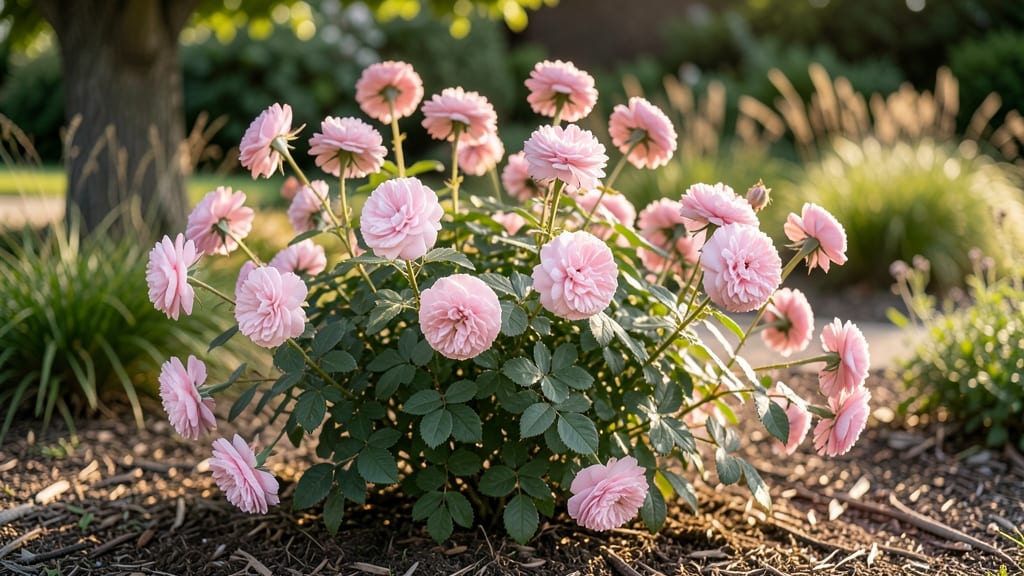
This pink tumbleweed rose turns your yard into a fragrant, drought-smart paradise with its cascading blooms and effortless charm. 🌸 I planted mine along a fence last spring, and by summer, it created a living privacy screen that smells like heaven on warm evenings—no watering required after it establishes.
The secret lies in its sprawling, vine-like habit that spills over trellises or borders like a pink waterfall. Unlike traditional roses, it thrives in heat and dry spells, making it perfect for low-maintenance gardens. Pair it with lavender or ornamental grasses for a romantic, Mediterranean vibe that never fades.
You’ll love how it fills empty spaces with soft pink clouds of blooms from late spring through fall. The fragrance lingers in the air, drawing hummingbirds and butterflies while keeping deer and rabbits at bay—nature’s built-in pest control.
Works as a border, trellis cover, or container specimen—just give it 6 hours of sun and well-draining soil. Here’s how to make it the star of your garden!
📚 In This Guide
- What you need
- Instructions
- Tips and common mistakes
- Wrapping up and next steps
What you need
- ● Pink tumbleweed rose plants (Rosa gymnocarpa 'The Bride') – 3–5 plants per 6-foot section (adjust based on desired height/width).
- ● Well-draining soil mix – 50% native soil, 30% compost, 20% coarse sand or perlite (for drought resistance).
- ● Organic mulch (e.g., wood chips or straw) – 2–3 inches to retain moisture and suppress weeds.
- ● Drip irrigation or soaker hose – Essential for deep, infrequent watering (avoid overhead sprinklers).
- ● Fertilizer (balanced 10-10-10 or rose-specific) – 1–2 tbsp per plant at planting, then monthly during growing season.
- ● Pruning shears (sterilized) – Sharp, clean tools to shape plants and encourage bushiness.
- ○ Stakes or trellis (optional but helpful) – For taller screens (8+ feet), use 4–6 ft bamboo stakes or metal trellis.
- ● Garden gloves – Protect your hands from thorns and rough soil.
- ● Tape measure – Plan spacing (3–4 feet apart for full coverage).
- ● pH test kit – Aim for soil pH 6.0–7.0 (slightly acidic to neutral).
- ● Sunlight access – Full sun (6+ hours daily) for best growth and blooms.
- ● Drought-tolerant zone – Native to arid climates; avoid soggy soil!
- ● Compost tea or mycorrhizal fungi – Boosts root health in dry conditions.
- ● Decorative rocks or pebbles – Adds a polished look to the base.
- ● Bird-friendly feeder – Attracts pollinators and keeps pests away!
- ● Windbreak (e.g., lattice or mesh) – Protects young plants in breezy areas.
Step-by-Step guide to planting pink tumbleweed roses for a drought-proof screen
Here's how to create a fragrant, low-maintenance privacy hedge that thrives on neglect and blooms all season.
🪴 Step 1: Choose the Perfect Planting Location
Pink tumbleweed roses (Rosa 'The Fairy') need full sun—at least 6-8 hours daily—to produce their signature cascading blooms. I always scout the site first, looking for areas where morning light hits the fence or wall you're screening. Avoid spots where afternoon shade lingers, as this can weaken the plant's natural drought tolerance.
Check soil drainage by digging a 12-inch hole—if water pools after 30 minutes, amend with 2-3 inches of coarse sand mixed into the native soil. These roses despise soggy roots, so even a slight slope to improve drainage helps. I like to plant mine along the base of a fence or wall where the tumbling habit will naturally create a living screen.
🌱 Step 2: Prepare the Planting Hole and Amend Soil
Dig a hole twice as wide as the root ball but only as deep—planting too deep buries the graft union and risks disease. Loosen the roots gently if they're circling, but don't tease them apart unless they're severely compacted. Pink tumbleweed roses prefer well-draining soil with a slightly acidic to neutral pH (6.0-7.0).
Mix the excavated soil with 1 part compost and ½ part perlite to improve aeration. I add a handful of slow-release rose fertilizer (10-10-10) to the bottom of the hole—just enough to encourage root development without burning tender new growth. This ensures they'll establish quickly and handle drought better from day one.
☀️ Step 3: Plant and Water for Initial Establishment
Place the rose in the hole so the graft union sits 1-2 inches above soil level. Backfill with the amended soil, tamping lightly every 2 inches to eliminate air pockets. Create a 2-inch-high berm around the base to direct water toward the roots. Water deeply until the soil is moist 12 inches down—this encourages roots to grow deeper immediately.
After planting, mulch with 2-3 inches of wood chips, keeping it 6 inches away from the stem to prevent rot. I use a 3-foot radius of mulch for each plant to conserve moisture and suppress weeds. Avoid synthetic mulches—they can overheat the roots in summer. Water every 2-3 days for the first 4 weeks, then taper to once a week unless your region experiences extreme heat.
✂️ Step 4: Prune for Shape and Encourage Bushiness
Prune immediately after planting to remove any damaged or crossing branches. Cut back the tallest stems by ⅓ to encourage branching—this creates a fuller screen faster. I always make cuts just above an outward-facing bud, using clean, sharp shears to avoid tearing the bark. The goal is to shape the plant so it naturally tumbles over the fence or wall you're screening.
In early spring, prune again to remove dead wood and shape the plant. For a tumbling effect, let the main stems grow long while pinching back side shoots to encourage a weeping habit. Avoid heavy pruning in late summer—this can reduce next year's bloom production. You'll see new growth within 2-3 weeks of pruning, signaling the plant is adjusting to its new shape.
💧 Step 5: Maintain Through the First Growing Season
Once established, pink tumbleweed roses need very little water—about 1 inch per week during dry spells. I check soil moisture by sticking my finger 2 inches down; if it's dry, that's your cue to water deeply. Overwatering is the fastest way to kill these drought-tolerant beauties, so resist the urge to water on a schedule unless your region is in a heatwave.
Fertilize lightly in early spring with a balanced rose fertilizer (10-10-10), then again after the first flush of blooms. I skip heavy feeding—these roses thrive on neglect and produce more blooms when stressed slightly. Watch for aphids on new growth; a strong spray of water usually dislodges them. By late summer, you'll have a lush, fragrant screen that requires almost no maintenance.
Tips & tricks for perfect pink tumbleweed rose planting
Took me years to perfect these strategies—here's how to turn your pink tumbleweed roses into a thriving, fragrant privacy screen.
Sunlight Secret: The 6-8 hours of daily sunlight in Step 1 isn't just a recommendation—it's non-negotiable for those signature cascading blooms. I've planted these in partial shade, and while they survive, they never achieve that lush, tumbling habit. If your location gets afternoon shade, consider planting on the north side of fences or walls to maximize morning sun exposure. Trust me on this: the difference between a few scattered blooms and a dramatic, fragrant screen comes down to those golden hours.
Drainage Strategy: That 30-minute water test in Step 1 reveals everything about your soil's health. If water pools, you're not just dealing with poor drainage—you're risking root rot that can kill these drought-tolerant beauties. I've seen gardeners skip this test and plant directly, only to have their roses struggle for years. Pro tip: create a slight slope away from the planting area if your yard naturally collects water. Even a gentle grade helps water flow away from the roots during heavy rains.
Root Development Hack: When you're watering deeply to reach 12 inches down in Step 3, you're not just hydrating—you're training those roots to grow deeper. I like to use a soil probe or long screwdriver to check moisture levels after watering. If it comes out dry, give it another deep watering. Deep roots mean drought resistance, and that's what makes these roses so low-maintenance once established. The first 4 weeks are critical for building this strong root system.
Pruning Timing: That 2-3 week growth window after pruning in Step 4 is your real-time feedback system. If you see new growth within that timeframe, you're doing it right. If not, your cuts might be too severe or your plant needs more nutrients. I always prune on a dry day when temperatures are mild—early morning or late afternoon works best. This prevents stress on the plant and gives it time to recover before extreme conditions set in.
Pro Tips for Pink Tumbleweed Rose
- Took me years to perfect these strategies—here's how to turn your pink tumbleweed roses into a thriving, fragrant privacy screen.
- Sunlight Secret: The 6-8 hours of daily sunlight in Step 1 isn't just a recommendation—it's non-negotiable for those signature cascading blooms.
- Drainage Strategy: That 30-minute water test in Step 1 reveals everything about your soil's health.
Frequently asked questions
Got questions about the pink tumbleweed rose? You’re not alone! This drought-resistant beauty is unique, and understanding its care can make all the difference. Below, we’ve answered the most common questions to help you grow a thriving privacy screen with stunning blooms.
How fast does a pink tumbleweed rose grow?
The pink tumbleweed rose (Rosa gymnocarpa) grows at a moderate to fast rate, typically adding 2–3 feet per year under ideal conditions. With proper pruning and care, it can reach 6–10 feet tall and wide within 3–5 years, making it a quick solution for drought-proof privacy. Pro tip: Plant in well-draining soil and full sun to encourage rapid, healthy growth!
Can pink tumbleweed roses survive harsh winters?
Yes! This hardy rose thrives in USDA Zones 4–9, meaning it can handle temperatures as low as -30°F (-34°C) once established. Young plants may need mulch or winter protection in colder climates, but mature roses are drought- and cold-tolerant. Troubleshooting: If leaves brown in winter, it’s usually normal dormancy—new growth will return in spring!
Why isn’t my pink tumbleweed rose blooming?
There are a few likely reasons:
- Insufficient sunlight: Needs 6+ hours of direct sun daily for blooms.
- Over-fertilizing with high nitrogen: Too much nitrogen = leafy growth, fewer flowers. Use a balanced rose fertilizer (10-10-10 or similar).
- Pruning at the wrong time: Prune after blooming (late summer/early fall) to encourage next year’s flowers.
- Stress from drought or pests: Ensure consistent moisture (but avoid soggy soil) and check for aphids or spider mites.
Quick fix: Trim back leggy stems in early spring to promote bushier growth and more blooms!
What are some drought-resistant alternatives to pink tumbleweed rose?
If you love the low-maintenance, fragrant vibe of the pink tumbleweed rose but want options, consider these drought-tolerant shrubs:
- Butterfly bush (Buddleia) – Fast-growing, attracts pollinators, thrives in poor soil.
- Russian sage (Perovskia atriplicifolia) – Silvery foliage, lavender blooms, zero fuss.
- Desert willow (Chilopsis linearis) – Trumpet-shaped flowers, extremely drought-proof.
- Dwarf lilac (Syringa meyeri) – Compact, fragrant blooms, hardy and low-water.
Each offers privacy, color, and resilience—pick based on your climate and aesthetic!
Are pink tumbleweed roses invasive?
No, pink tumbleweed roses are not considered invasive like their namesake tumbleweed (Salsola tragus). However, they can spread via suckers if not pruned, so:
- Monitor growth and prune aggressively to control spread.
- Avoid planting in wildfire-prone areas—their dry stems can be flammable.
- Choose a contained location if you have limited space.
Fun fact: The "tumbleweed" name comes from their round, wind-blown shape—but they’re not true tumbleweeds!
Wrapping up and next steps
The Pink Tumbleweed Rose isn’t just a stunning addition to your garden—it’s a low-maintenance, fragrant powerhouse that thrives in tough conditions while offering privacy and beauty. Whether you’re a seasoned gardener or just starting, its drought-resistant charm and delicate blooms make it a win-win for color, scent, and sustainability.
Ready to transform your outdoor space? Start small—plant a few along a fence or border, or go bold with a full hedge. Grab your supplies, roll up your sleeves, and watch your garden bloom with effortless elegance! 🌸✨